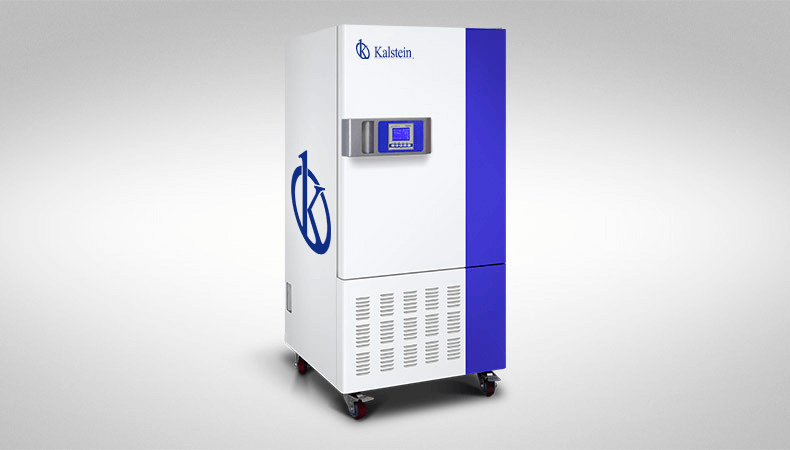
Maximizing Return on Investment: Cost-Benefit Analysis for Comprehensive Drug Stability Test Chambers
In the fast-evolving field of pharmaceuticals, ensuring the stability of drugs is paramount. For laboratories, investing in Comprehensive Drug Stability Test Chambers is not just about compliance; it’s about maximizing the return on investment (ROI) and performing effective cost-benefit analyses. This article examines different models, their applications, and how to assess their financial efficacy.
Understanding Comprehensive Drug Stability Test Chambers
Comprehensive Drug Stability Test Chambers are essential for evaluating the stability of pharmaceutical products under controlled conditions of temperature, humidity, and light. Laboratories utilize these chambers for long-term tests, accelerated stability assessments, and to comply with regulatory standards. The primary models reviewed in this article include:
- Comprehensive Drug Stability Testing Chamber YR05354
- Comprehensive Drug Stability Testing Chamber YR05355
- Comprehensive Drug Stability Testing Chamber YR05356
Each model offers unique specifications that cater to different laboratory needs. The focus will be on how these models can optimize ROI through strategic utilization.
ROI in Laboratory Equipment: Why It Matters
Understanding ROI is crucial for laboratory managers, as it helps to determine the financial efficiency of equipment purchases. The ROI is calculated by comparing the net gains from the investment against its costs over a specific period. In the context of drug stability test chambers, key factors influencing ROI include:
- Initial purchase cost
- Operating expenses (energy, maintenance)
- Productivity impact (throughput of samples)
- Compliance with regulations and potential penalties for non-compliance
By evaluating these parameters, laboratories can make informed decisions regarding their investment in drug stability test chambers.
Analyzing Cost-Benefit Metrics for Test Chambers
The cost-benefit analysis of Comprehensive Drug Stability Test Chambers should include both tangible and intangible benefits. Tangible benefits encompass direct financial savings and increased throughput, while intangible benefits may include enhanced reputation and regulatory compliance. Below is a breakdown of important cost metrics and benefits:
| Model | Initial Cost (USD) | Annual Operating Cost (USD) | Expected Lifespan (Years) | Benefits |
|---|---|---|---|---|
| YR05354 | 2940.00 | 250.00 | 10 | High efficiency, reliable results |
| YR05355 | 3500.00 | 300.00 | 10 | Advanced features for enhanced testing |
| YR05356 | 4910.00 | 400.00 | 10 | Superior performance in extreme conditions |
Comparison of Available Models
| Model | CAPEX (USD) | Cost per Test (USD) | Payback Period (Months) | Recommended Scenario |
|---|---|---|---|---|
| YR05354 | 2940.00 | 1.50 | 20 | Small to medium laboratories |
| YR05355 | 3500.00 | 1.80 | 22 | Medium-sized pharmaceutical companies |
| YR05356 | 4910.00 | 2.30 | 25 | High-performance testing facilities |
Common Mistakes and How to Avoid Them
When investing in Comprehensive Drug Stability Test Chambers, laboratories often make mistakes that can hinder ROI. Common pitfalls include:
- Underestimating operational costs, which may lead to budget overruns.
- Failing to consider throughput needs, which can result in bottlenecks.
- Neglecting to assess compliance requirements, risking regulatory non-compliance.
To avoid these mistakes, laboratories should conduct thorough needs assessments and involve key stakeholders in the decision-making process.
Frequently Asked Questions
How can I assess the ROI for a Comprehensive Drug Stability Test Chamber?
To assess ROI for models like YR05354, calculate the initial investment against expected savings and benefits over time, considering factors such as operating costs and compliance expenses.
Which features should I prioritize in a stability test chamber for cost-effectiveness?
Prioritize features like energy efficiency and advanced control systems in models like YR05355, which can significantly reduce operational costs over time.
What is the payback period for the Comprehensive Drug Stability Testing Chamber YR05356?
The expected payback period for YR05356 is approximately 25 months, making it suitable for high-performance testing environments with a larger throughput.
How do I calculate cost per test for my drug stability testing?
To calculate cost per test, divide the total annual operating costs by the number of tests conducted annually for models like YR05354, which could yield costs as low as $1.50 per test.
What compliance standards should I consider when selecting a stability test chamber?
Consider compliance standards such as ISO 17025, which many laboratories implementing YR05355 need to adhere to, ensuring quality in testing practices.
What are the long-term savings from using a high-efficiency drug stability chamber?
Using energy-efficient models like YR05356 can lead to substantial long-term savings in energy costs, potentially reducing operating expenses by up to 20% over the chamber's lifespan.
What factors influence the initial cost of a drug stability test chamber?
The initial cost is influenced by features such as temperature and humidity control capabilities and the reliability of components, as seen in models like YR05354 and YR05355.
How do I determine the best model for my laboratory’s specific needs?
Evaluate your laboratory's sample volume, required features, and compliance needs to choose the best model, such as YR05356 for high-throughput environments.
If you are looking for a fusion of innovation and quality, you have come to the right place. At Kalstein, we offer you the luxury of exploring our exclusive catalog of laboratory equipment. We manufacture every device to the highest standards of excellence. Our intuitive and seamless online purchasing channels are designed for your convenience, securing the most competitive prices. Hesitate no longer — we bring science to life, it is time to become part of our community.