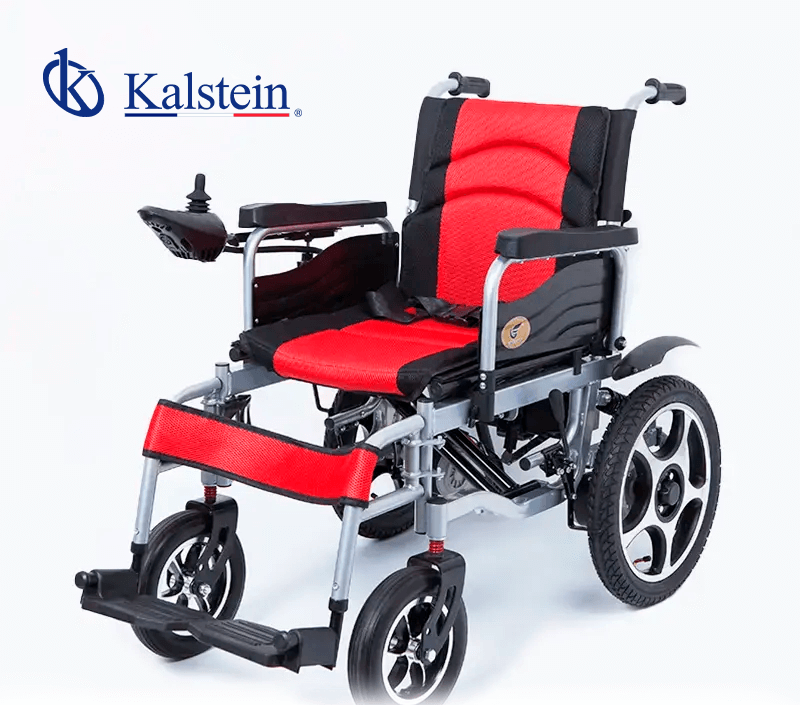
Maximizing ROI and Cost-Benefit Analysis for Electric Wheelchairs
In the realm of healthcare and rehabilitation, electric wheelchairs have emerged as indispensable tools, offering patients enhanced mobility and independence. However, the acquisition and operational costs associated with these devices necessitate a thorough understanding of their return on investment (ROI) and cost-benefit analysis. This article delves into the various electric wheelchairs available on the market today, examining each model's specifications and performance to provide laboratory professionals with the insights needed to make informed purchasing decisions.
Understanding ROI and Cost-Benefit Analysis in Electric Wheelchairs
Before delving into specific models, it is crucial to comprehend the components that contribute to ROI and cost-benefit analysis for electric wheelchairs. ROI is typically calculated by comparing the total cost of investment against the financial gains derived from the use of the wheelchair. Cost-benefit analysis, on the other hand, takes into account both tangible and intangible benefits, such as enhanced patient quality of life, reduced caregiver burden, and improved mobility.
Factors Influencing ROI for Electric Wheelchairs
Several key factors influence the ROI of electric wheelchairs, including initial costs, maintenance expenses, and the wheelchair's impact on patient outcomes. By analyzing these factors, healthcare providers can better assess which models offer the most substantial benefits relative to their costs.
Comprehensive Cost Breakdown for Electric Wheelchairs
A detailed cost breakdown can aid healthcare professionals in understanding the long-term expenses associated with electric wheelchairs. This includes initial purchase costs, ongoing maintenance, and any required consumables. By evaluating these costs against potential savings or benefits, professionals can ascertain the overall value of a specific model.
Comparison of Available Models
| Model | Initial Cost (USD) | Weight Capacity (kg) | Battery Life (km) | Best For |
|---|---|---|---|---|
| YR05440 | 317.00 | 130 | 15 | Lightweight mobility |
| YR05441 | 352.00 | 130 | 15 | Adjustable features |
| YR05442 | 793.00 | 200 | 75 | Rugged terrains |
| YR05443 | 678.00 | 130 | 15 | Compact folding |
| YR05444 | 1125.70 | 100 | 15 | Bluetooth control |
| YR05445 | 610.00 | 100 | 12 | Smart braking |
Common Mistakes and How to Avoid Them
When evaluating electric wheelchairs, professionals often fall into common traps such as underestimating ongoing maintenance costs or not considering the wheelchair's adaptability to patient needs. To mitigate these issues, thorough research and cost analysis should be conducted before finalizing any purchase decisions.
Evaluating Long-Term Benefits of Electric Wheelchairs
The long-term benefits of utilizing electric wheelchairs extend beyond mere mobility. Enhanced independence for users can lead to improved mental health, reduced caregiver strain, and potentially lower healthcare costs due to fewer hospital visits. Evaluating these benefits against the initial costs can significantly impact the overall ROI.
Understanding Maintenance Costs and Their Impact on ROI
Maintenance costs can vary significantly between different models of electric wheelchairs. Factors such as battery longevity, parts availability, and service options should be thoroughly assessed. For instance, some models may require more frequent battery replacements, impacting long-term expenses and overall ROI.
Cost-Benefit Analysis Using Case Studies
Utilizing case studies can provide real-world examples of the benefits of electric wheelchairs. These studies can illustrate the impact of specific models on patient outcomes, caregiver workload, and overall healthcare costs. By analyzing various scenarios, healthcare professionals can identify which models deliver the best ROI.
Frequently Asked Questions
What factors contribute to the cost-benefit analysis of electric wheelchairs?
The cost-benefit analysis of electric wheelchairs includes initial costs, maintenance expenses, and intangible benefits such as improved patient quality of life. For example, the YR05442 model, with a price of $793, offers features that enhance mobility and may reduce the need for caregiver assistance.
How can I calculate the ROI for an electric wheelchair purchase?
To calculate ROI for an electric wheelchair, divide the net benefit from the investment by the total cost of the wheelchair. For instance, with the YR05441 model valued at $352, assessing its impact on patient mobility and independence can provide a clearer ROI picture.
What is the average lifespan of electric wheelchair batteries?
The lifespan of electric wheelchair batteries can vary, typically lasting between 1-3 years depending on usage and care. For example, the YR05442 operates efficiently for 35-75 km per charge, which can help determine operational longevity and associated costs.
Which electric wheelchair model is the best for rugged terrain?
The YR05442 is designed for rugged terrains, capable of climbing slopes and handling uneven surfaces, making it an optimal choice for users needing reliable mobility in challenging environments.
How do maintenance costs affect the overall ROI of electric wheelchairs?
Maintenance costs significantly impact ROI as they can add to the overall expenses associated with electric wheelchairs. For instance, if a model requires frequent battery changes or repairs, such as the YR05440, it can reduce the overall financial benefits over time.
What are the primary features to consider when purchasing an electric wheelchair?
When purchasing an electric wheelchair, consider features like weight capacity, battery life, ease of folding, and additional functionalities such as Bluetooth control. The YR05444, for instance, offers advanced features that may justify its higher cost of $1125.70.
How can patient outcomes justify the investment in electric wheelchairs?
Improved patient outcomes, such as increased mobility and independence, can justify the investment in electric wheelchairs by potentially lowering healthcare costs and enhancing quality of life. Models like YR05443 demonstrate this value effectively.
What financing options are available for purchasing electric wheelchairs?
Financing options for electric wheelchairs may include payment plans, loans, or leasing options through healthcare providers or specialized medical funding organizations. Understanding these options can help ease the financial burden of an investment in a model like the YR05445, priced at $610.
If you are looking for a fusion of innovation and quality, you have come to the right place. At Kalstein, we offer you the luxury of exploring our exclusive catalog of laboratory equipment. We manufacture every device to the highest standards of excellence. Our intuitive and seamless online purchasing channels are designed for your convenience, securing the most competitive prices. Hesitate no longer — we bring science to life, it is time to become part of our community.