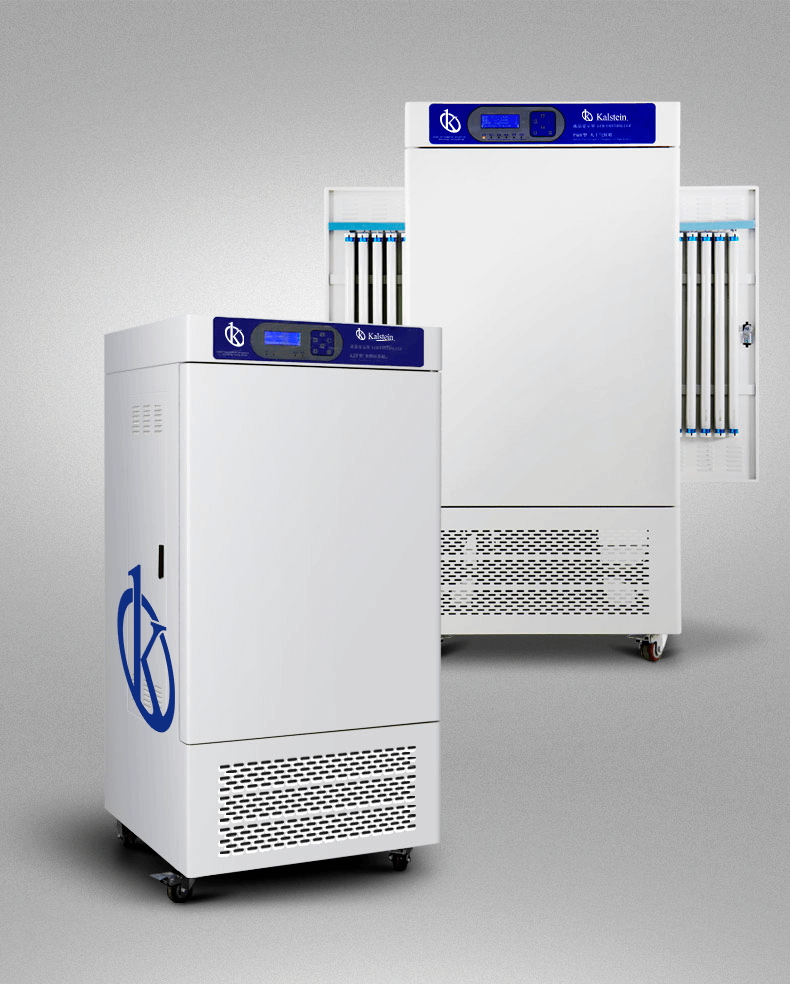
Maximizing ROI and Cost-Benefit Analysis for Environmental Chambers in Laboratories
Environmental chambers are crucial for conducting controlled experiments in various fields such as biology, medicine, agriculture, and environmental sciences. However, selecting the right model involves a deep understanding of return on investment (ROI) and cost-benefit analysis. This article explores the economic aspects of environmental chambers, focusing on how laboratory managers can maximize ROI through informed decisions and model comparisons.
Understanding Return on Investment (ROI) in Environmental Chambers
Return on investment (ROI) is a key performance indicator that measures the profitability of investments relative to their costs. When it comes to environmental chambers, understanding ROI helps laboratory managers justify expenditures and optimize asset utilization. Factors affecting ROI include initial capital expenditure (CAPEX), operational expenditure (OPEX), maintenance costs, and the efficiency of the chamber in achieving desired results.
Cost-Benefit Analysis for Environmental Chambers
A comprehensive cost-benefit analysis can help laboratories evaluate the financial implications of purchasing an environmental chamber. This analysis should encompass direct costs, such as purchase price and energy consumption, as well as indirect costs, including time savings and improved experimental outcomes. A clear comparison of costs against the benefits achieved will provide insight into the true value of the equipment.
Comparison of Available Models
| Model | CAPEX (USD) | Cost per Test (USD) | Payback Period (Months) | Recommended Scenario |
|---|---|---|---|---|
| YR05328 | 1480.00 | 50.00 | 12 | Small labs focused on biology |
| YR05329 | 1690.00 | 55.00 | 15 | Medium labs with diverse needs |
| YR05330 | 2045.00 | 60.00 | 18 | Large labs requiring high capacity |
Key Factors Impacting ROI for Environmental Chambers
In examining ROI, several factors play a pivotal role. First, energy efficiency directly influences OPEX, where environmentally friendly models like the YR05328 with high energy savings can significantly reduce operational costs. Second, maintenance schedules and costs must be factored in, as more reliable models require less frequent servicing, further enhancing ROI.
Quantitative Breakdown: CAPEX vs. OPEX
Understanding the financial dynamics between CAPEX (initial spending) and OPEX (ongoing costs) is essential in making a well-informed purchase decision. For instance, while YR05328 has a lower initial cost, its energy efficiency translates into reduced OPEX, thus making it a competitive choice for laboratories on a budget.
Common Mistakes and How to Avoid Them
Laboratory managers often make common mistakes when purchasing environmental chambers, such as focusing solely on purchase price without considering long-term operational costs. To avoid these pitfalls, it’s crucial to conduct a thorough cost-benefit analysis, taking into account energy consumption, maintenance, and expected lifespan of the chamber.
Frequently Asked Questions
How can I determine the ROI of an environmental chamber in my lab?
To determine the ROI of an environmental chamber like the YR05329, calculate the total costs (purchase price, energy, and maintenance) against the benefits gained (improved efficiency, higher output). A typical payback period may be around 15 months depending on usage.
What are the operational costs associated with environmental chambers?
Operational costs for environmental chambers such as the YR05330 include energy consumption, maintenance fees, and costs related to consumables. Understanding these factors helps in estimating the overall cost per test, which is fundamental for ROI calculations.
Which environmental chamber offers the best energy efficiency for cost savings?
The YR05328 is known for its energy efficiency, making it a suitable choice for labs aiming to minimize operational expenses without compromising on performance. Its design ensures lower kWh consumption while maintaining optimal conditions.
How can I compare the financial benefits of different environmental chambers?
Comparing financial benefits involves analyzing CAPEX, OPEX, and functionality across models like YR05328, YR05329, and YR05330. Creating a detailed comparison table can assist in visualizing potential savings and benefits over time.
What factors should be considered when evaluating environmental chambers?
Key factors include initial cost, energy efficiency, maintenance requirements, and specific laboratory needs. Models like YR05329 provide versatility, making them suitable for a range of laboratory applications that could maximize ROI.
How does model choice affect cost-benefit outcomes in laboratories?
Choosing the right model, such as the YR05330, can significantly affect cost-benefit outcomes. The model's energy consumption, uptime, and reliability can lead to substantial savings and operational efficiency, thus enhancing the overall value.
What are the maintenance requirements for environmental chambers?
Maintenance requirements vary by model. The YR05328, for instance, is designed for minimal upkeep, which helps reduce long-term costs and improves ROI by minimizing downtime and service interruptions.
How do I ensure compliance while maximizing ROI with environmental chambers?
Compliance can be ensured by selecting models like the YR05329, which are designed to meet industry standards. Regular audits and adherence to operational guidelines will maximize ROI while ensuring laboratory compliance.
If you are looking for a fusion of innovation and quality, you have come to the right place. At Kalstein, we offer you the luxury of exploring our exclusive catalog of laboratory equipment. We manufacture every device to the highest standards of excellence. Our intuitive and seamless online purchasing channels are designed for your convenience, securing the most competitive prices. Hesitate no longer — we bring science to life, it is time to become part of our community.