Maximizing ROI and Cost-Benefit Analysis for Laboratory Equipment
In the competitive environment of laboratory operations, understanding and optimizing return on investment (ROI) alongside conducting thorough cost-benefit analyses are essential for maximizing efficiency and productivity. This article delves into the crucial aspects of evaluating ROI and cost-benefit for laboratory equipment, specifically focusing on the freezer dryer category, vital for various laboratory applications.
Understanding ROI in Laboratory Equipment Investments
ROI is a key performance indicator that helps laboratory professionals and decision-makers assess the profitability of their investments. Calculating ROI involves measuring the net gain from the investment relative to its cost. In laboratory settings, this can include factors such as equipment performance, operational efficiencies, and the resulting savings or revenues generated from improved workflows. It is critical to ensure that the chosen equipment meets specific requirements to maximize ROI.
Cost-Benefit Analysis Framework for Freezer Dryers
A robust cost-benefit analysis framework for freezer dryers involves a systematic approach to comparing the total costs of acquisition, operation, and maintenance against the tangible benefits these systems provide. Key benefits include enhanced preservation of samples, reduced waste, and improved workflow efficiency. By quantifying both costs and benefits, laboratories can make informed decisions that align with their strategic goals.
Factors Influencing ROI and Cost-Benefit in Freezer Dryers
When evaluating freezer dryers, several factors come into play, including initial capital expenditure (CAPEX), ongoing operational expenditure (OPEX), and the expected lifespan of the equipment. Each model’s specifications, efficiency ratings, and compatibility with current laboratory processes also significantly impact the overall cost-benefit dynamics. Understanding these factors allows laboratories to identify which models provide the best value for their specific needs.
Comparison of Available Models
| Model | CAPEX (USD) | OPEX (Annual) | Expected Lifespan (Years) | Best Application |
|---|---|---|---|---|
| YR0237-0-1 | 437.00 | 150.00 | 10 | General lab use with good versatility |
| YR0237-1 | 491.00 | 160.00 | 10 | Advanced microscopy applications |
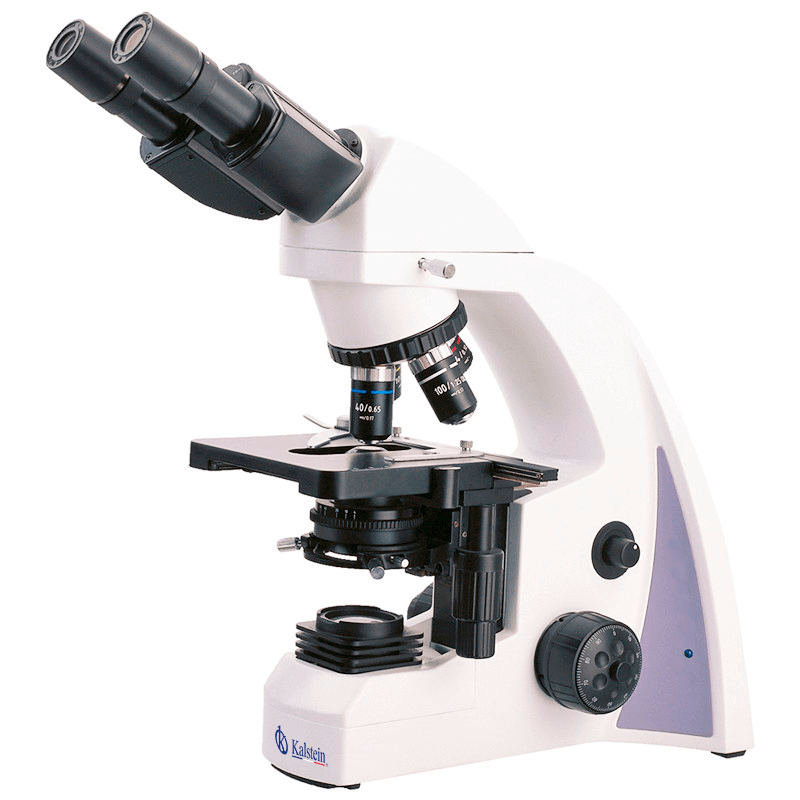
| YR0237-1-1 | 448.10 | 155.00 | 10 | Versatile microscopy with enhanced features |
| YR03731-1 | 13.00 | 50.00 | 5 | Small sample handling |
| YR03731-2 | 13.00 | 50.00 | 5 | Small sample handling |
| YR03731-3 | 13.00 | 50.00 | 5 | Small sample handling |
Common Mistakes and How to Avoid Them
Laboratory professionals often encounter pitfalls when assessing ROI and conducting cost-benefit analyses. Common mistakes include failing to consider all costs involved, such as maintenance and training, or neglecting to evaluate the equipment's alignment with long-term goals. To avoid these mistakes, it is vital to adopt a holistic approach to evaluating potential investments, ensuring all relevant factors are included in the analysis.
Quantifying the Economic Impact of Freezer Dryers
To effectively quantify the economic impact of freezer dryers, laboratories should consider various metrics, such as cost per test, sample throughput, and overall operational efficiency. For example, a laboratory investing in a high-quality freezer dryer can reduce sample loss, leading to significant cost savings in terms of reagents and materials. A detailed projection of these savings can help justify the initial investment while illustrating the practical benefits of upgrading equipment.
Lifecycle Cost Analysis for Freezer Dryers
A thorough lifecycle cost analysis (LCCA) evaluates the total costs associated with the equipment over its lifespan. This includes acquisition costs, operational costs, maintenance, and eventual disposal. By conducting an LCCA, laboratories can more accurately assess the true cost of ownership and identify more cost-effective models. For example, the YR0237-1 model provides a favorable LCCA compared to similar models due to its lower operational costs and extended lifespan.
Frequently Asked Questions
What is the ROI for the YR0237-0-1 model in a laboratory setting?
The ROI for the YR0237-0-1 model can be calculated by comparing its initial cost of $437.00 against the savings generated from enhanced sample preservation and reduced waste. Given its operational efficiency, laboratories can expect a favorable return within 12-18 months.
How does the cost of maintenance affect ROI for freezer dryers?
Maintenance costs are critical in determining the ROI for freezer dryers like the YR0237-1. High maintenance costs can significantly reduce profitability; thus, selecting models with lower maintenance requirements can improve ROI and overall cost-effectiveness.
Which freezer dryer model minimizes operational expenses?
The YR0237-1-1 model minimizes operational expenses due to its efficient design, leading to lower energy consumption and minimal repair requirements. Its annual OPEX is estimated at around $155.00, making it a cost-effective choice for laboratories.
What are the key benefits of a cost-benefit analysis for laboratory investments?
A cost-benefit analysis provides clarity on the financial implications of purchasing laboratory equipment. It helps labs like those using the YR03731-1 model to weigh initial costs against long-term savings, ensuring investments align with operational goals.
How to improve the accuracy of ROI calculations for laboratory equipment?
Improving the accuracy of ROI calculations involves considering all cost components, including indirect costs associated with training and downtime. For example, integrating a comprehensive analysis process for models like YR0237-0-1 can lead to more precise ROI assessments.
What factors should be considered in a lifecycle cost analysis for a freezer dryer?
Key factors in a lifecycle cost analysis for freezer dryers include acquisition costs, operational and maintenance expenses, and disposal costs at the end of the equipment's lifespan. Models like the YR0237 series should be evaluated based on their durability and upkeep requirements.
How can laboratories ensure they maximize the value from their freezer dryer purchase?
To maximize value, laboratories should conduct comprehensive market research, analyze operational needs thoroughly, and select models like the YR03731 series that provide essential features at competitive prices, ensuring the equipment aligns with long-term goals.
What is the importance of understanding OPEX for laboratory equipment?
Understanding OPEX is crucial as it directly impacts the overall profitability of laboratory operations. For instance, the YR0237-1 model's OPEX of $160.00 annually provides insights into its cost-effectiveness compared to other models, influencing purchasing decisions.
If you are looking for a fusion of innovation and quality, you have come to the right place. At Kalstein, we offer you the luxury of exploring our exclusive catalog of laboratory equipment. We manufacture every device to the highest standards of excellence. Our intuitive and seamless online purchasing channels are designed for your convenience, securing the most competitive prices. Hesitate no longer — we bring science to life, it is time to become part of our community.