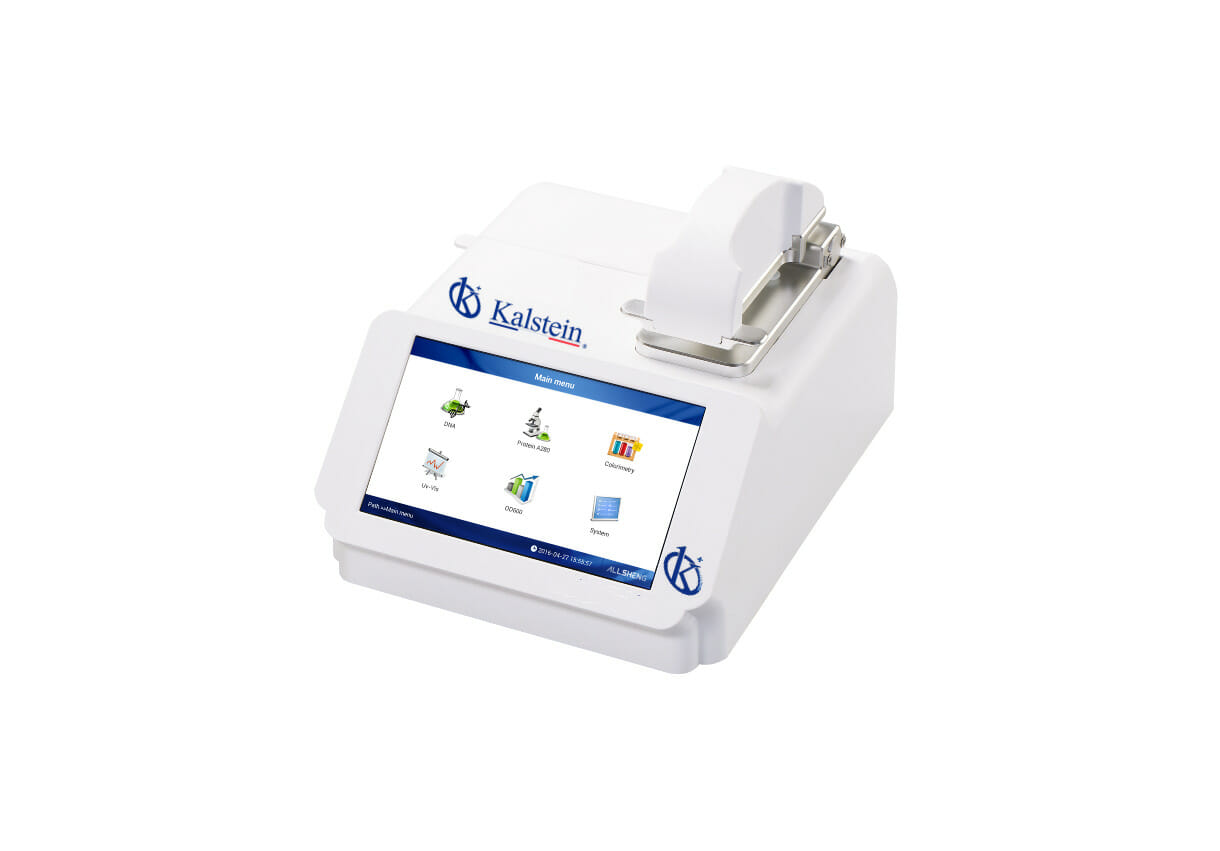
Maximizing ROI and Cost-Benefit Analysis for Micro-Spectrophotometers
In today's laboratory environment, where budgets are tight, maximizing return on investment (ROI) and conducting thorough cost-benefit analyses have become essential. This article delves into how micro-spectrophotometers can provide significant financial benefits, support laboratory workflow efficiencies, and enhance research outcomes. By evaluating the various models available in the micro-spectrophotometer market, we will provide insights on how to choose the right instrument that aligns with your laboratory's financial goals.
Understanding the Importance of ROI in Laboratory Settings
ROI is a financial metric that helps laboratories assess the profitability of their investments. In the context of laboratory equipment, understanding ROI can lead to better decision-making regarding purchasing, maintaining, and upgrading equipment. Micro-spectrophotometers, such as the YR06033-1 and YR06035, are powerful tools that can enhance your laboratory's capabilities while offering substantial returns when evaluated correctly.
Factors Influencing ROI for Micro-Spectrophotometers
The ROI of micro-spectrophotometers is affected by various factors, including initial investment costs, operational expenses, and productivity gains. By considering the following elements, laboratories can effectively calculate their expected ROI:
- Initial Cost: The purchase price of the equipment, such as YR06034 at $2520.00, and YR06033 at $7500.00.
- Operational Costs: This includes expenses related to replacing consumables and maintenance.
- Efficiency Gains: Time saved through streamlined workflows and increased throughput.
Cost-Benefit Analysis of Micro-Spectrophotometers
Performing a cost-benefit analysis (CBA) involves quantifying the expected benefits and costs associated with purchasing and using micro-spectrophotometers. Below, we break down the primary components of CBA for three models: YR06033-1, YR06034, and YR06035.
| Model | Initial Cost (USD) | Expected Annual Savings (USD) | Payback Period (Months) |
|---|---|---|---|
| YR06033-1 | 5040.00 | 1500.00 | 4 |
| YR06034 | 2520.00 | 800.00 | 3.8 |
| YR06035 | 6090.00 | 2000.00 | 3.0 |
Comparison of Available Models
When evaluating micro-spectrophotometers, it is imperative to compare models based on their specifications and expected ROI metrics. The following table compares the three models based on their features and cost implications:
| Model | Wavelength Range (nm) | Sample Volume (μL) | Price (USD) | Best For |
|---|---|---|---|---|
| YR06033-1 | 200-800 | 0.5-2.0 | 5040.00 | General nucleic acid detection |
| YR06034 | 260, 280 | 1-2.0 | 2520.00 | Basic nucleic acid purity analysis |
| YR06035 | 200-800 | 0.5-2.0 | 6090.00 | Advanced biochemistry applications |
Common Mistakes and How to Avoid Them
When investing in micro-spectrophotometers, laboratories often make several common mistakes that can negatively impact ROI. To avoid these pitfalls, consider the following:
- Underestimating Total Costs: Always consider not just the purchase price but also the operational and maintenance costs.
- Ignoring User Training: Ensure your staff is well-trained on the equipment to maximize efficiency.
- Neglecting to Evaluate Needs: Different applications require different specifications; choose a model that aligns with your research focus.
Enhancing Efficiency with Micro-Spectrophotometers
Micro-spectrophotometers can significantly enhance laboratory productivity. For instance, the YR06035 model, which features a user-friendly interface and quick measurement times, allows laboratories to process samples more efficiently without compromising accuracy. This efficiency translates directly into financial savings and improved research timelines.
Budgeting for Micro-Spectrophotometers: Capital Expenditures vs. Operational Expenditures
When budgeting for micro-spectrophotometers, it's important to differentiate between capital expenditures (CAPEX) and operational expenditures (OPEX). CAPEX includes the initial purchase price and installation costs, while OPEX covers maintenance, consumables, and any additional operational costs. Properly forecasting these expenditures can aid in making informed decisions and improving ROI.
Frequently Asked Questions
How can I calculate the ROI for a micro-spectrophotometer in my lab?
To calculate the ROI for a micro-spectrophotometer like the YR06033-1, assess the initial cost (e.g., $5040), expected annual savings (e.g., $1500), and divide the savings by the cost to determine the payback period.
What specific operational savings can I expect from the YR06034 model?
The YR06034 model, priced at $2520, can yield operational savings of approximately $800 annually due to its efficiency in nucleic acid purity analysis, reducing reagent waste and processing time.
How does the sample volume affect the cost-effectiveness of micro-spectrophotometers?
Sample volume plays a critical role in cost-effectiveness; models like the YR06035 require only 0.5-2.0 μL, allowing for minimal reagent use, which lowers overall operational costs for laboratories.
What features should I look for in a micro-spectrophotometer to maximize ROI?
Look for features such as broad wavelength range, minimal sample volume requirements, and integrated data processing capabilities, as seen in models like the YR06033-1, to maximize ROI.
Which micro-spectrophotometer model is best for high-throughput laboratories?
For high-throughput laboratories, the YR06035 model is ideal due to its quick measurement times and advanced features, allowing for enhanced sample processing capabilities without sacrificing quality.
How can I reduce operational costs when using micro-spectrophotometers?
Reduce operational costs by selecting models like the YR06034, which utilizes less sample volume and requires fewer consumables, thus decreasing overall testing expenses.
What is the expected lifespan of a micro-spectrophotometer in a lab setting?
The expected lifespan of a micro-spectrophotometer typically ranges from 5 to 10 years, depending on usage patterns and maintenance practices, making models like the YR06033-1 a worthwhile long-term investment.
What considerations should I make for financing a micro-spectrophotometer purchase?
When financing a purchase, consider both CAPEX for initial costs and OPEX for ongoing expenses. For instance, the YR06034, at $2520, should fit comfortably within your budget while also considering long-term operational costs.
If you are looking for a fusion of innovation and quality, you have come to the right place. At Kalstein, we offer you the luxury of exploring our exclusive catalog of laboratory equipment. We manufacture every device to the highest standards of excellence. Our intuitive and seamless online purchasing channels are designed for your convenience, securing the most competitive prices. Hesitate no longer — we bring science to life, it is time to become part of our community.