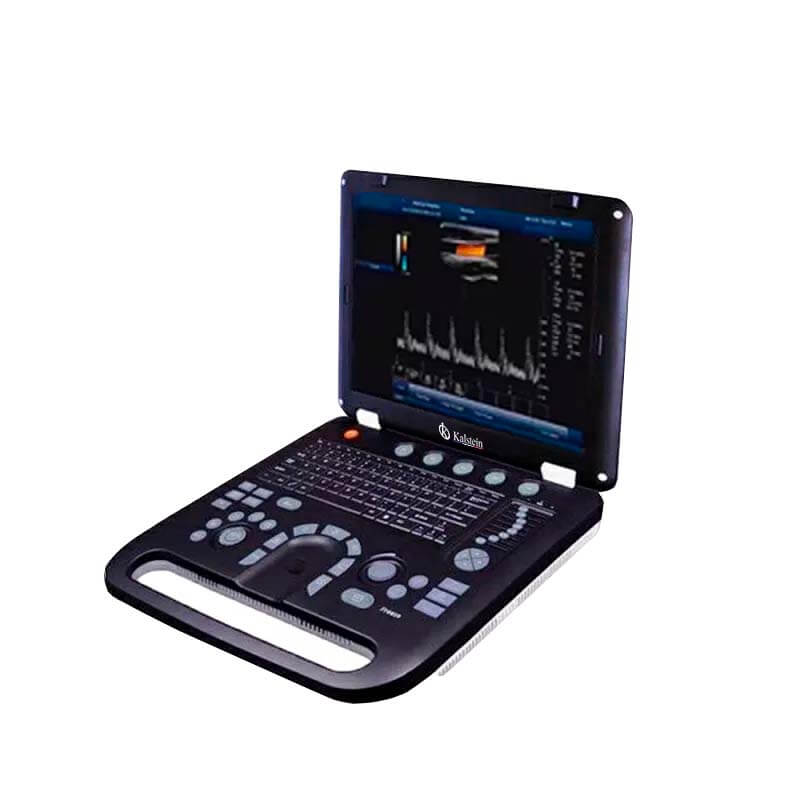
Maximizing ROI through Cost-Benefit Analysis for Ultrasonic Color Doppler Diagnostic Systems
In the current healthcare landscape, the need for efficient and effective diagnostic tools is paramount. Ultrasonic Color Doppler Diagnostic Systems have emerged as crucial devices in the diagnosis and monitoring of various medical conditions. However, selecting the appropriate system requires a comprehensive understanding of the return on investment (ROI) and a detailed cost-benefit analysis. This article delves deeply into the financial implications, technical specifications, and practical applications of various models available in this category.
Understanding the Financial Implications of Ultrasonic Color Doppler Systems
The financial success of any laboratory heavily relies on the understanding of its investment in diagnostic equipment. Ultrasonic Color Doppler systems, while initially appearing costly, can provide significant long-term value through enhanced patient outcomes and streamlined workflows. Evaluating the total cost of ownership (TCO), including purchase price, maintenance, and operational costs, is essential for determining their ROI.
Key Factors Influencing ROI in Diagnostic Systems
Numerous factors contribute to maximizing ROI in Ultrasonic Color Doppler systems. These include equipment purchase price, maintenance costs, operational efficiency, and the potential for enhanced patient throughput. For example, investing in advanced systems such as the YR05151 model can lead to improved diagnostic accuracy, ultimately reducing the need for repeat tests and associated costs.
Comparison of Available Models
| Model | CAPEX (USD) | Cost per Test (USD) | Payback Period (Months) | Recommended Scenario |
|---|---|---|---|---|
| YR05148 | 2400.00 | 15.00 | 12 | Small clinics focusing on basic diagnostic imaging |
| YR05149 | 4400.00 | 12.00 | 10 | Medium-sized facilities with diverse diagnostic needs |
| YR05150 | 3400.00 | 14.00 | 11 | Multi-specialty practices requiring portability |
| YR05151 | 5990.00 | 10.00 | 8 | Large hospitals with high patient turnover |
| YR05152 | 6500.00 | 9.00 | 7 | Specialized clinics focusing on cardiology and obstetrics |
| YR05153 | 3300.00 | 13.00 | 10 | Mobile units requiring versatility |
Implementing Cost-Benefit Analysis for Purchase Decisions
Conducting a cost-benefit analysis is vital for laboratories when deciding on the acquisition of an Ultrasonic Color Doppler Diagnostic System. This analysis should consider not just initial investments, but also the long-term savings achieved through improved workflows and diagnostic accuracy. For instance, the YR05149 model, priced at $4400, may seem steep initially, but its lower cost per test can lead to substantial savings over time.
Common Mistakes and How to Avoid Them
Many laboratories make the mistake of focusing solely on the initial purchase price without considering the long-term costs associated with maintenance, consumables, and operational efficiency. Another common error is neglecting to evaluate how well a system integrates with existing workflows. Therefore, it is crucial to analyze every aspect comprehensively to ensure the selected model will serve the laboratory’s needs effectively.
Maximizing Efficiency with Streamlined Processes
To enhance ROI, laboratories must focus on optimizing their processes and workflows. Implementing standardized procedures for using Ultrasonic Color Doppler systems can significantly increase productivity. For example, choosing models like the YR05150 that offer user-friendly interfaces can minimize training time and reduce operational errors.
Understanding Total Cost of Ownership (TCO)
Calculating the total cost of ownership provides a clearer picture of the financial commitment associated with Ultrasonic Color Doppler systems. This includes not just the purchase price but also maintenance, consumables, and potential upgrades. By analyzing TCO, laboratories can make more informed purchasing decisions that align with their financial strategies.
Evaluating Performance Metrics for ROI Assessment
Performance metrics such as diagnostic accuracy, patient throughput, and operational costs should be evaluated to understand the ROI of Ultrasonic Color Doppler systems. Utilizing advanced models like the YR05151 can help improve these metrics, leading to enhanced patient care and increased revenue due to higher test volumes.
Frequently Asked Questions
What is the average ROI for an Ultrasonic Color Doppler Diagnostic System?
The average ROI for an Ultrasonic Color Doppler Diagnostic System typically ranges between 8 to 12 months, depending on the model chosen. For instance, the YR05151 model, priced at $5990, offers a lower cost per test which can accelerate the payback period significantly.
How can I determine the cost per test for my Ultrasonic Color Doppler Equipment?
To determine the cost per test, divide the total operational costs by the number of tests performed annually. For example, if your YR05150 costs $3400 and you perform 240 tests per year, your cost per test would be approximately $14.17.
What factors contribute to the payback period of Ultrasonic Color Doppler systems?
Factors contributing to the payback period include equipment cost, operational efficiency, and patient throughput. For instance, the YR05149 model with a $4400 price tag and a 10-month payback period is optimal for medium-sized facilities, balancing cost and efficiency.
How does maintenance affect the ROI of Ultrasonic Color Doppler systems?
Maintenance can significantly impact ROI by affecting operational costs. Regular upkeep reduces the likelihood of breakdowns, ensuring systems like the YR05152 stay operational, thus maintaining consistent revenue streams and lowering overall costs.
What role does training play in maximizing the investment in Ultrasonic Color Doppler systems?
Effective training is critical for maximizing ROI, ensuring all staff can operate systems efficiently. Models like the YR05150 are designed for ease of use, which can shorten training time and enhance operator proficiency, directly impacting productivity.
How can I assess the financial viability of upgrading my Ultrasonic Color Doppler system?
Assessing the financial viability of an upgrade involves comparing the cost of the new system against potential improvements in efficiency and patient care. For instance, investing in a YR05153 can lead to faster diagnosis, which may justify its cost through increased patient throughput.
What benchmarks should I consider when evaluating Ultrasonic Color Doppler systems?
Benchmarks for evaluation include diagnostic accuracy, cost per test, and maintenance frequency. Utilizing models like the YR05151 can provide superior performance metrics that translate to better patient outcomes and a higher ROI.
How can I maximize the operational efficiency of my Ultrasonic Color Doppler systems?
Maximizing operational efficiency involves standardizing protocols, optimizing workflows, and utilizing models designed for high throughput, such as the YR05149. Analyzing and refining processes can lead to improved patient throughput and reduced costs.
If you are looking for a fusion of innovation and quality, you have come to the right place. At Kalstein, we offer you the luxury of exploring our exclusive catalog of laboratory equipment. We manufacture every device to the highest standards of excellence. Our intuitive and seamless online purchasing channels are designed for your convenience, securing the most competitive prices. Hesitate no longer — we bring science to life, it is time to become part of our community.