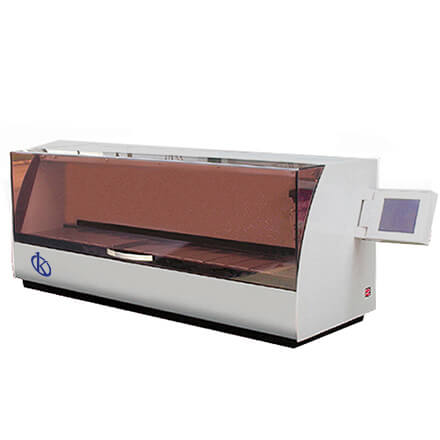
Maximizing ROI and Cost-Benefit Analysis for Automatic Slide Stainers
Automatic slide stainers play a crucial role in laboratories specializing in pathological anatomy. As laboratories seek to improve efficiency, reduce costs, and enhance the quality of their analyses, understanding the return on investment (ROI) and conducting a comprehensive cost-benefit analysis becomes vital. This article delves into the various models of automatic slide stainers, their features, and how they contribute to an effective cost-benefit ratio.
Understanding the Importance of ROI in Laboratory Equipment
In today's competitive laboratory environment, maximizing ROI is essential. ROI measures the profitability of an investment, allowing laboratory managers to evaluate the potential financial returns against the costs involved in acquiring and operating equipment. Automatic slide stainers, such as the YR435, YR435-1, and YR436-1 models, not only streamline staining processes but can also lead to significant time and cost savings.
Cost-Benefit Analysis Framework
A thorough cost-benefit analysis involves evaluating capital expenditures (CAPEX), operational expenditures (OPEX), and potential revenue generation. By comparing these factors across different automatic slide stainers, laboratories can make informed purchasing decisions. The chosen models, like YR435-1, provide flexibility in staining processes, which can significantly reduce reagent waste and lower overall operational costs.
Comparison of Available Models
| Model | CAPEX (USD) | Cost per test (USD) | Payback (months) | Recommended scenario |
|---|---|---|---|---|
| YR435 | $3,800.00 | $5.00 | 8 | Medium throughput labs |
| YR435-1 | $10,600.00 | $4.00 | 10 | High throughput labs |
| YR436-1 | $2,800.00 | $6.00 | 6 | Small labs with limited budget |
Evaluating the Cost per Test
Understanding the cost per test is crucial for any laboratory aiming to optimize its budget. For instance, the YR435-1 model, with its higher initial investment, offers a lower cost per test due to its enhanced staining capacity, which makes it ideal for high-throughput laboratories. Conversely, the YR436-1 boasts a lower purchase price but has a higher cost per test, making it suitable for smaller labs that may not require extensive staining capabilities.
Operational Costs and Their Impact on ROI
Operational costs include ongoing expenses such as maintenance, reagents, and staff training. Automatic slide stainers like the YR435 are designed to minimize reagent use with their advanced washing and drying protocols, which can lead to lower operational costs over time. Conversely, older models may lead to increased reagent waste, thereby negatively impacting ROI.
Payback Period Metrics
The payback period is the time it takes for an investment to generate an amount of income equal to the cost of the investment. For instance, the YR435 model has a payback period of approximately eight months, indicating a relatively quick return on investment compared to the YR435-1, which, despite higher upfront costs, offers a shorter payback due to its efficiency measures.
Common Mistakes and How to Avoid Them
When investing in automatic slide stainers, laboratories often make mistakes such as not accurately assessing their operational needs, overlooking total cost of ownership, or failing to consider scalability for future needs. It's crucial to evaluate the specific requirements of your laboratory and select a model that not only meets current demands but is also adaptable for future growth. Additionally, consulting with manufacturers can provide insights on the total cost of ownership and expected performance metrics.
Frequently Asked Questions
How do I calculate the ROI of an automatic slide stainer for my lab?
To calculate the ROI of an automatic slide stainer, sum the total financial benefits (like increased throughput and reduced reagent waste) and divide them by the total investment cost. For instance, if a YR435-1 model costs $10,600 and saves $1,000 annually in operational costs, the ROI calculation will help determine its financial viability.
What are the operational cost savings of using YR435 over traditional methods?
Using the YR435 model can significantly reduce operational costs associated with reagent waste and manual labor. With its efficient system, it might save up to 20% on reagent costs compared to traditional staining methods, enhancing overall cost-effectiveness in a laboratory setting.
Which automatic slide stainer offers the best cost-benefit ratio?
The YR435-1 model provides an excellent cost-benefit ratio due to its high throughput capabilities and lower cost per test. While its initial investment is higher at $10,600, the savings on reagents and increased efficiency justify the cost in a high-throughput laboratory.
What factors should I consider when choosing an automatic slide stainer?
When selecting an automatic slide stainer, consider factors such as throughput requirements, operational costs, ease of use, and maintenance requirements. Models like the YR436-1 are suitable for smaller labs with limited space, while the YR435-1 is ideal for high-volume settings.
How does the YR436-1 compare in terms of energy efficiency?
The YR436-1 model is designed with energy efficiency in mind, consuming only 400W during operation. Its compact design also reduces the energy footprint, making it a suitable choice for environmentally conscious laboratories.
What is the expected lifespan of an automatic slide stainer?
Typically, automatic slide stainers like the YR435 series have a lifespan of 5 to 10 years, depending on usage and maintenance. Regular servicing can extend the lifespan and ensure optimal performance throughout its operational life.
How can I ensure compliance with laboratory standards using an automatic slide stainer?
To ensure compliance with laboratory standards, choose models like the YR435 that come with features designed for regulatory adherence. Regularly calibrate and maintain the equipment to meet ISO standards and document all procedures for compliance audits.
What maintenance practices are essential for maximizing ROI on slide stainers?
Regular cleaning, calibration, and preventative maintenance are crucial for maximizing ROI on slide stainers. For instance, the YR436-1 requires routine checks on its reagent tanks and control systems to maintain efficiency and prolong its operational lifespan.
If you are looking for a fusion of innovation and quality, you have come to the right place. At Kalstein, we offer you the luxury of exploring our exclusive catalog of laboratory equipment. We manufacture every device to the highest standards of excellence. Our intuitive and seamless online purchasing channels are designed for your convenience, securing the most competitive prices. Hesitate no longer — we bring science to life, it is time to become part of our community.