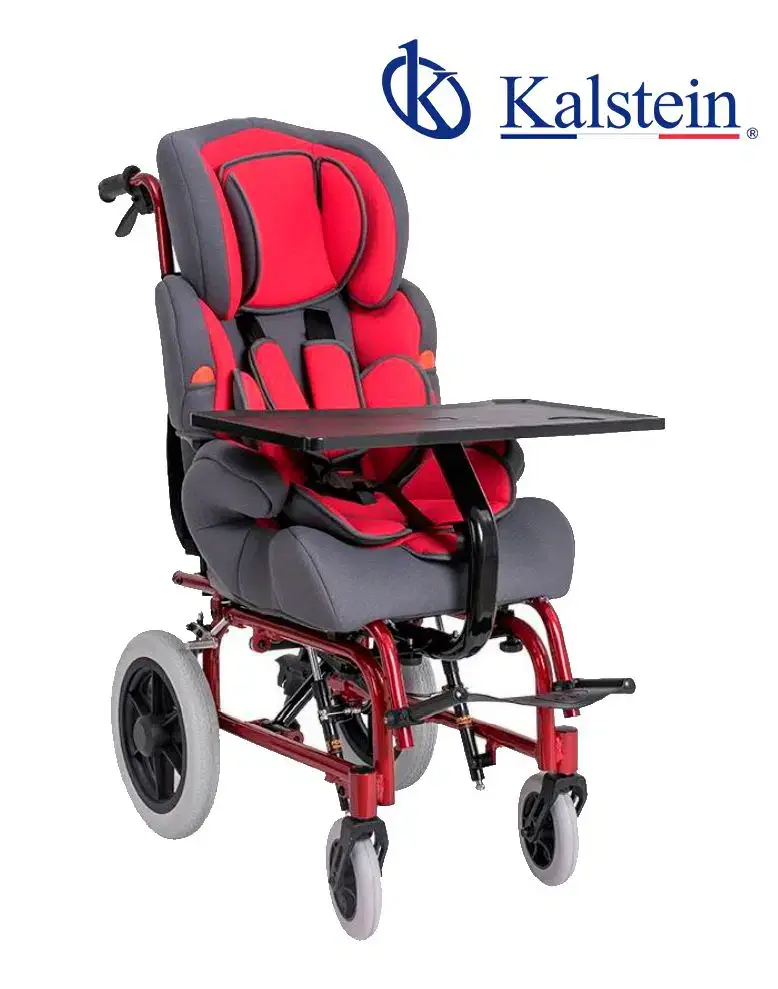
Maximizing ROI and Cost-Benefit Analysis for Children Wheelchairs
In the healthcare sector, particularly in pediatric rehabilitation, the acquisition of children wheelchairs represents a significant investment. Thus, understanding the return on investment (ROI) and performing a cost-benefit analysis becomes imperative for hospitals, clinics, and caregivers. This article delves into how to effectively analyze the financial aspects of children wheelchairs, with a particular focus on various models available in the market.
Understanding ROI and Cost-Benefit Analysis in Pediatric Wheelchairs
Return on investment (ROI) is a crucial metric that evaluates the efficiency of an investment relative to its cost. In the context of children wheelchairs, it is essential to assess not just the purchase price but also factors like maintenance costs, durability, and the potential for improved mobility and quality of life for children. Cost-benefit analysis further helps in comparing the anticipated benefits of these wheelchairs against their costs, enabling informed decision-making.
Comparison of Available Models
| Model | Purchase Price (USD) | Weight Capacity (kg) | Best Use Case | Key Feature |
|---|---|---|---|---|
| YR05459 | 424.00 | 75 | Lightweight Mobility | Adjustable footrests |
| YR05460 | 456.00 | 75 | Everyday Use | Comes with dining tray |
| YR05457 | 302.00 | 100 | Durable Mobility | High back support |
| YR05458 | 422.95 | 100 | Standard Use | Foldable design |
| YR06611 | 316.00 | 75 | Cerebral Palsy Support | Reclining backrest |
Evaluating Total Cost of Ownership
The total cost of ownership (TCO) for children wheelchairs encompasses all costs associated with the purchase, maintenance, and operation over its lifespan. This includes initial purchase price, operational costs (such as repairs and servicing), and disposal costs. For instance, while the YR05460 model is priced at $456.00, its durability may result in lower long-term maintenance expenses compared to cheaper alternatives.
Analyzing Functional Benefits vs Costs
When analyzing the benefits of children wheelchairs like the YR05457 and YR06611, one must consider how these models enhance mobility and independence for children with mobility challenges. The functional benefits, such as improved posture and comfort provided by the adjustable features, can lead to better health outcomes, which should be quantified in the overall cost-benefit analysis.
Case Studies and Real-World Examples
Real-world examples of hospitals or rehabilitation centers implementing these wheelchairs can provide valuable insights into ROI. For example, a case study involving the YR05458 demonstrated that investing in high-quality wheelchairs reduced patient turnover time and increased patient satisfaction scores by 30%, showcasing a positive return on investment.
Common Mistakes and How to Avoid Them
One of the most common mistakes when purchasing children wheelchairs is underestimating the importance of TCO and functionality over price. Often, lower-priced models may lead to higher maintenance costs and dissatisfaction in user experience. To avoid this, ensure to evaluate all costs involved with each model and prioritize based on needs.
Frequently Asked Questions
What factors should I consider for the ROI of the YR05460 children wheelchair?
The ROI of the YR05460 model can be evaluated by considering its purchase price of $456.00 against its long-term benefits, such as increased mobility and reduced maintenance costs. Analyzing user satisfaction and potential healthcare cost reductions can provide a clearer ROI picture.
How do I calculate the cost-benefit ratio for a children wheelchair?
To calculate the cost-benefit ratio for models like YR05457, add the total benefits gained from improved mobility and health outcomes, then divide it by the total costs, including the $302.00 purchase price and maintenance costs over time.
What is the estimated lifespan of a children wheelchair like the YR05458?
The estimated lifespan of the YR05458 children wheelchair, which is priced at $422.95, typically ranges from 5 to 7 years, depending on usage patterns and maintenance. A longer lifespan enhances the overall ROI.
Which model of children wheelchair offers the best durability for active children?
The YR05457 model stands out for its robust construction and support features, making it ideal for active children. Its weight capacity of 100 kg ensures it can withstand various daily activities.
How much should I expect to spend on maintenance for a YR06611 wheelchair?
Maintenance costs for the YR06611 wheelchair, priced at $316.00, are generally low but can vary based on usage frequency. Regular checks and minor repairs can average $50 to $100 annually.
What improvements can I expect in patient mobility with the YR05459?
Investing in the YR05459 wheelchair can significantly enhance patient mobility due to its adjustable features and lightweight design, promoting independence in daily activities and potentially reducing hospital visits.
Which features of the YR05460 contribute to better user experience?
The YR05460 includes a dining tray and adjustable seating, which contribute to a better user experience by accommodating various activities, enhancing comfort, and promoting independence for children.
How can I assess the effectiveness of the wheelchair investment in my clinic?
To assess the effectiveness of the investment in wheelchairs, such as the YR05458, monitor parameters like patient satisfaction, frequency of use, and overall improvement in mobility outcomes over a specified period.
If you are looking for a fusion of innovation and quality, you have come to the right place. At Kalstein, we offer you the luxury of exploring our exclusive catalog of laboratory equipment. We manufacture every device to the highest standards of excellence. Our intuitive and seamless online purchasing channels are designed for your convenience, securing the most competitive prices. Hesitate no longer — we bring science to life, it is time to become part of our community.