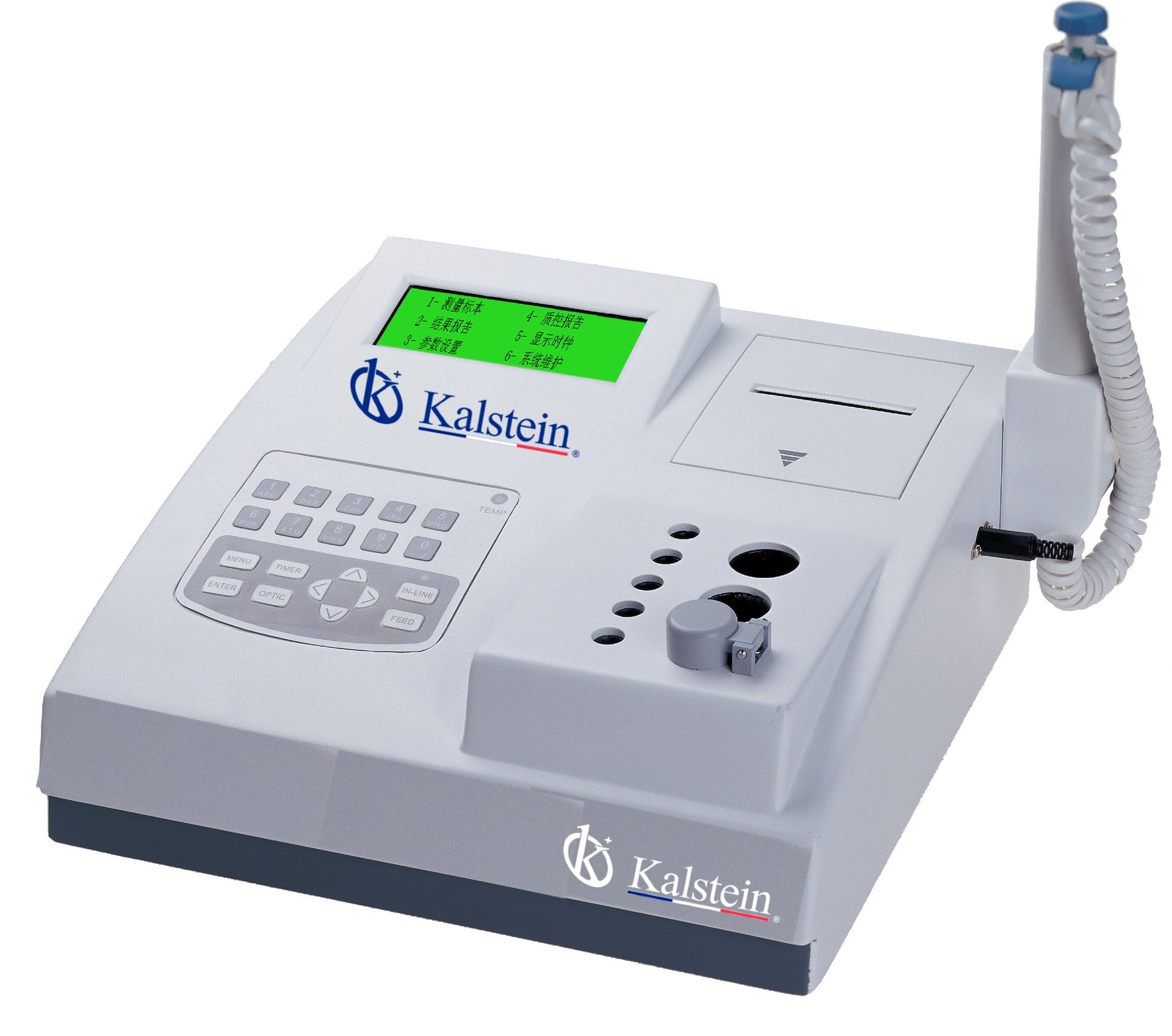
Maximizing ROI and Cost-Benefit Analysis for Coagulation Analyzers
In today’s laboratory environment, understanding the return on investment (ROI) and conducting thorough cost-benefit analyses have become essential for optimizing operational efficiency and ensuring the economic sustainability of laboratory operations. With the increasing demand for coagulation tests in clinical settings, choosing the right coagulation analyzer involves not just technical specifications but also financial considerations. This article will explore how laboratory professionals can effectively evaluate ROI and cost benefits associated with various coagulation analyzers, including models like YR05117, YR05118, YR06083, and YR06082.
Understanding ROI in Laboratory Settings
ROI is a key financial metric that measures the profitability of an investment relative to its cost. In the context of coagulation analyzers, calculating ROI involves assessing the initial capital expenditure (CAPEX), ongoing operational expenditures (OPEX), and the potential revenue generated from performing coagulation tests. Key factors influencing ROI include the cost of reagents, the capacity of the analyzer, and the laboratory's throughput. Understanding these components helps in making informed purchasing decisions and optimizing laboratory budgets.
Cost-Benefit Analysis for Coagulation Analyzers
A cost-benefit analysis (CBA) evaluates the total expected costs against the total expected benefits to determine the best investment option. For coagulation analyzers, this includes direct costs such as equipment purchase price, reagent costs, and maintenance, as well as indirect benefits such as improved patient outcomes and increased testing efficiency. By comparing the cost-effectiveness of models like YR05117 and YR06083, laboratories can allocate resources more effectively.
Critical Factors for Evaluating Coagulation Analyzers
When analyzing the ROI and cost-effectiveness of coagulation analyzers, several critical factors should be considered:
- Initial Investment: The purchase price of the analyzer, which varies by model. For instance, YR05118 is priced at $600, while YR06083 costs $13,000.
- Operating Costs: Ongoing costs including reagents and maintenance. The YR05117 model has a reagent consumption of less than 2 µL, significantly reducing operating costs.
- Testing Capacity: The number of tests that can be performed per hour, which impacts throughput and revenue generation.
- Accuracy and Precision: Models like YR06082 are designed for high accuracy, potentially leading to better patient outcomes and reduced retesting costs.
Comparison of Available Models
| Model | CAPEX (USD) | Cost per Test (USD) | Payback Period (Months) | Recommended Scenario |
|---|---|---|---|---|
| YR05117 | 750 | 0.30 | 2 | Small clinics with limited testing |
| YR05118 | 600 | 0.28 | 1.5 | Moderate volume laboratories |
| YR06083 | 13,000 | 0.20 | 5 | High-throughput settings |
| YR06082 | 6,800 | 0.25 | 4 | Specialized testing laboratories |
Common Mistakes and How to Avoid Them
When evaluating coagulation analyzers, laboratories often fall into several common pitfalls:
- Ignoring Total Cost of Ownership: Many buyers focus only on the initial purchase price without considering long-term operating costs.
- Underestimating Reagent Costs: Some models may appear cheaper initially but have higher reagent costs, impacting overall profitability.
- Neglecting Performance Metrics: Failing to assess accuracy and throughput can lead to inefficiencies in testing.
Factors Influencing the Cost-Benefit Ratio
Several factors can significantly influence the cost-benefit ratio of coagulation analyzers:
- Test Volume: Higher test volumes increase revenue potential, enhancing ROI.
- Operational Efficiency: Models with higher throughput can reduce labor costs and maximize resource utilization.
- Technological Advancements: Investing in newer models with advanced features may offer long-term savings through improved performance and lower error rates.
Strategies for Optimizing ROI
To enhance ROI from coagulation analyzers, laboratories can implement the following strategies:
- Regular Maintenance: Ensure equipment is regularly calibrated and serviced to avoid unexpected downtime and costly repairs.
- Staff Training: Train laboratory personnel on optimal usage practices to maximize throughput and minimize errors.
- Data Monitoring: Utilize performance metrics to evaluate testing efficiency and adjust operational protocols accordingly.
Frequently Asked Questions
What are the best practices for calculating ROI on coagulation analyzers?
To calculate ROI on coagulation analyzers effectively, consider both CAPEX and OPEX over a defined period. For example, YR06082 has a high initial cost of $6,800, but its low cost per test of $0.25 can provide a favorable payback period in high-throughput labs.
How can I maximize the cost-effectiveness of my coagulation analyzer?
Maximize cost-effectiveness by choosing models like YR05118 which offer a low reagent cost of $0.28 per test while performing routine tests effectively. Regular maintenance also enhances longevity and reduces operational issues.
What factors should I consider when comparing coagulation analyzers?
When comparing coagulation analyzers, evaluate CAPEX, cost per test, throughput, maintenance costs, and user-friendliness. For instance, YR06083 provides high throughput ideal for large laboratories.
What is a typical payback period for coagulation analyzers?
The payback period for coagulation analyzers varies; for example, YR05117 has a payback period of just 2 months, making it ideal for facilities that require quick returns on investments.
Are there specific regulations that affect the ROI of coagulation analyzers?
Yes, compliance with standards like ISO 15189 can affect ROI by influencing operational costs. Choosing compliant models like YR06082 ensures fewer audits and penalties, ultimately improving ROI.
What are the ongoing costs associated with coagulation analyzers?
Ongoing costs include reagent prices, maintenance expenses, and operational labor. For example, YR05118 has a reagent cost of around $0.28 per test, which is competitive among its peers.
How do I calculate the total cost of ownership for a coagulation analyzer?
Total cost of ownership includes initial purchase price, operating costs, maintenance, and any potential downtime losses. Models like YR06083, despite higher upfront costs, can yield savings through efficiency and reliability.
What is the impact of analyzer features on cost-benefit analysis?
Advanced features, such as those found in YR06082, can enhance accuracy and throughput, leading to better patient outcomes and reduced costs associated with retesting, thus improving the overall cost-benefit ratio.
If you are looking for a fusion of innovation and quality, you have come to the right place. At Kalstein, we offer you the luxury of exploring our exclusive catalog of laboratory equipment. We manufacture every device to the highest standards of excellence. Our intuitive and seamless online purchasing channels are designed for your convenience, securing the most competitive prices. Hesitate no longer — we bring science to life, it is time to become part of our community.