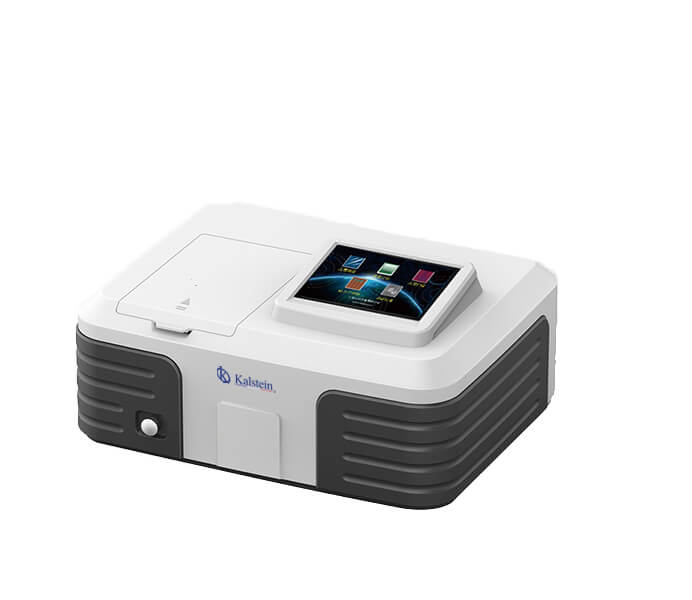
Maximizing ROI and Cost-Benefit Analysis for Double Beam Spectrophotometers in Laboratories
Double beam spectrophotometers are essential tools in laboratories for analyzing samples across various fields, including biochemistry, environmental science, and clinical applications. This article focuses on enhancing ROI and performing cost-benefit analysis when using these instruments, ensuring that laboratories make informed decisions about their investments.
Understanding ROI and Cost-Benefit in Laboratory Settings
Return on Investment (ROI) and cost-benefit analysis are critical financial metrics for laboratories aiming to improve operational efficiency and maximize the effectiveness of their equipment. In the context of double beam spectrophotometers, these analyses help laboratories assess the financial impact of their purchases and operational costs against the benefits provided by these instruments.
ROI is calculated as the ratio of net profit to the total investment cost. When evaluating double beam spectrophotometers, laboratories need to consider initial acquisition costs, ongoing operational expenses, and the potential revenue generated from enhanced analytical capabilities.
Key Factors Influencing ROI for Double Beam Spectrophotometers
Several factors influence the ROI of double beam spectrophotometers, among which are:
- Initial capital expenses (CAPEX), including purchase price and installation costs.
- Ongoing operational expenses (OPEX), such as maintenance, consumables, and labor costs.
- The potential for increased throughput and efficiency in sample analysis.
- The accuracy and reliability of analysis, leading to better decision-making.
Initial Capital Expenses
The initial investment in double beam spectrophotometers can vary widely, with models like the YR01858 priced at $2500, while advanced systems like the YR01862-1 can cost $3550. The choice of instrument should align with the laboratory's specific analytical requirements and budget constraints.
Ongoing Operational Expenses
Operational expenses include costs for reagents, calibration, maintenance, and personnel training. Efficient models can minimize these costs through longer intervals between calibrations and reduced reagent consumption, ultimately enhancing ROI.
Comparison of Available Models
| Model | CAPEX (USD) | Cost per Test | Payback Period (Months) | Recommended Scenario |
|---|---|---|---|---|
| YR01858 | 2500 | 0.50 | 6 | Routine analysis |
| YR01862 | 3150 | 0.45 | 5 | High-throughput labs |
| YR01862-1 | 3550 | 0.40 | 4 | Advanced research applications |
| YR01862-2 | 3380 | 0.42 | 4.5 | Environmental monitoring |
| YR01864 | 3080 | 0.48 | 5.5 | Educational settings |
| YR01865 | 3440 | 0.43 | 4.8 | Clinical analysis |
Common Mistakes and How to Avoid Them
When implementing double beam spectrophotometers, laboratories often encounter pitfalls that can derail ROI and cost-benefit analyses:
- Neglecting Total Cost of Ownership (TCO): Laboratories frequently focus solely on the purchase price, overlooking long-term operational costs, which can lead to miscalculations of ROI.
- Underestimating Training Requirements: Insufficient training can result in inefficient use of equipment, leading to lower productivity and increased costs.
- Ignoring Maintenance Needs: Failing to schedule regular maintenance can compromise instrument performance and reliability, negatively impacting results.
To avoid these mistakes, laboratories should adopt a comprehensive approach that considers all expenses and regularly reviews processes to optimize performance.
Performance Evaluation of Double Beam Spectrophotometers
Evaluating the performance of double beam spectrophotometers involves assessing factors such as accuracy, precision, and reliability. The YR01862, for example, features exceptional photometric accuracy of ±0.2% T and wavelength accuracy of ±0.1nm, making it suitable for precise analytical applications.
Reliability is another critical factor; models like the YR01864 benefit from a unique optical design that minimizes circuit fluctuations, thereby enhancing stability during measurements. Ensuring reliable performance adds to the overall ROI while maintaining high-quality results.
Quantitative Breakdown of Cost-Benefit Analysis
A comprehensive cost-benefit analysis includes calculating total costs and potential benefits derived from using double beam spectrophotometers. Below is a sample table illustrating how to quantify these factors:
| Component | YR01858 | YR01862 | YR01862-1 |
|---|---|---|---|
| Initial Investment | $2500 | $3150 | $3550 |
| Annual Maintenance | $200 | $250 | $300 |
| Operational Efficiency Gain | $1000 | $1200 | $1500 |
| Revenue from Enhanced Capabilities | $5000 | $6000 | $8000 |
| Net Benefit | $3300 | $3600 | $4100 |
Frequently Asked Questions
What factors should I consider for ROI analysis of double beam spectrophotometers?
Factors for ROI analysis include initial capital costs, operational expenses, and the expected efficiency gains from improved analytical capabilities. Models like the YR01862 can enhance throughput and reduce costs, making it easier to achieve a favorable ROI.
How do I calculate the cost per test for a double beam spectrophotometer?
Cost per test is calculated by dividing total operational costs (including maintenance and consumables) by the number of tests performed annually. For instance, if you spend $2000 annually on the YR01865 in consumables and perform 5000 tests, the cost per test is $0.40.
Which model of double beam spectrophotometer offers the best value for cost-benefit analysis?
The YR01862-1 is recommended for its balance of performance and cost, offering high accuracy and reliability at a moderate price. Its advanced features provide better analytical capabilities for high-throughput environments, maximizing cost-benefit.
How can I ensure the longevity of my double beam spectrophotometer?
Longevity can be ensured through regular maintenance and calibration. Models like the YR01864 are designed to be robust, but regular servicing will help avoid costly repairs and enhance performance over time.
What is the impact of training on the ROI of double beam spectrophotometers?
Training significantly influences ROI by ensuring operators use the instruments effectively, minimizing errors and maximizing throughput. Investing in training for models like the YR01862 can yield a substantial return due to increased accuracy and efficiency.
How does operational efficiency affect the cost-benefit analysis of spectrophotometers?
Operational efficiency directly affects cost-benefit analysis by reducing the time and resources needed for sample analysis. High-efficiency models such as the YR01862 can lower overall costs per test, improving the laboratory's financial health.
What should I look for in a warranty when purchasing a double beam spectrophotometer?
A comprehensive warranty should cover parts and labor for a minimum of one year, ideally with options for extended coverage. This ensures protection against unexpected repair costs, which can impact the overall cost-benefit of the instrument.
Why is it essential to conduct a cost-benefit analysis before purchasing a double beam spectrophotometer?
Conducting a cost-benefit analysis is crucial as it allows laboratories to assess the financial implications of their purchase against expected returns. Knowing the models like the YR01864 offer cost-effective features can lead to better investment decisions.
If you are looking for a fusion of innovation and quality, you have come to the right place. At Kalstein, we offer you the luxury of exploring our exclusive catalog of laboratory equipment. We manufacture every device to the highest standards of excellence. Our intuitive and seamless online purchasing channels are designed for your convenience, securing the most competitive prices. Hesitate no longer — we bring science to life, it is time to become part of our community.