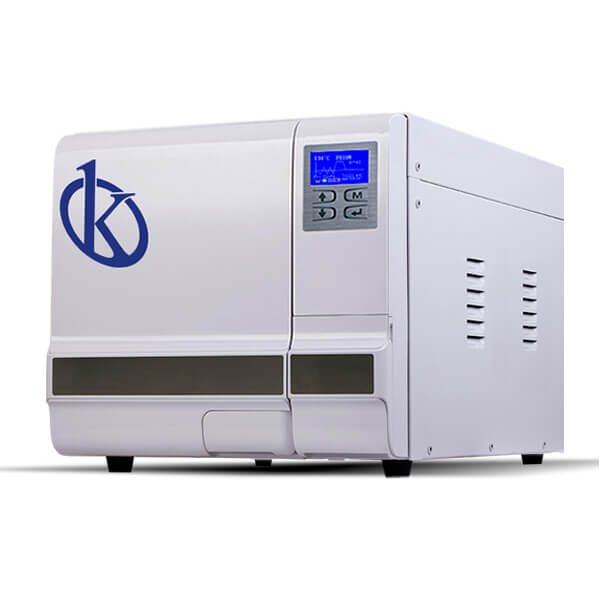
Maximizing ROI and Cost-Benefit Analysis for Horizontal Autoclaves
In today’s highly competitive laboratory landscape, understanding the financial implications of laboratory equipment like horizontal autoclaves is critical. When selecting a horizontal autoclave, laboratory professionals must evaluate not just the upfront costs but also the long-term benefits and operational efficiencies they can achieve. This article delves deep into the ROI of horizontal autoclaves, comparing different models while providing insights that lab managers can apply to make informed decisions.
Understanding ROI for Horizontal Autoclaves
Return on Investment (ROI) is a crucial metric for laboratories considering the purchase of a horizontal autoclave. It encompasses both the initial capital expenditure (CAPEX) and ongoing operational expenses (OPEX). ROI can be calculated by assessing the cost savings from processes streamlined by an autoclave against the total cost of acquisition and maintenance. This section outlines how to effectively calculate ROI in the context of horizontal autoclaves, focusing on factors such as lifespan, utilization rates, and operational efficiency.
The lifespan of horizontal autoclaves typically ranges from 10 to 15 years, depending on usage and maintenance. For example, the Class B Table Autoclave YR03387 is designed for high efficiency and reduced downtime, which can significantly improve throughput in a busy laboratory. Understanding the average cost per sterilization cycle and incorporating it into the total cost of ownership allows for a clearer picture of potential savings.
Cost-Benefit Analysis Methodology
Conducting a cost-benefit analysis (CBA) involves comparing the benefits of using a horizontal autoclave with its associated costs. This includes both tangible and intangible benefits. Tangible benefits may include reduced labor costs, increased efficiency, and compliance with sterilization standards such as EN13060. Intangible benefits can include improved safety and customer satisfaction. In assessing models like the Class B Table Autoclave YR03388, it's important to analyze parameters such as energy consumption and maintenance frequency as they contribute to overall savings.
| Model | CAPEX (USD) | Cost per Test (USD) | Payback Period (Months) | Recommended Scenario |
|---|---|---|---|---|
| YR03387 | 750.00 | 0.15 | 12 | Small clinics, beauty salons |
| YR03388 | 835.00 | 0.17 | 14 | Veterinary practices, podiatry |
| YR03389 | 900.00 | 0.18 | 15 | General laboratories |
| YR03390 | 1000.00 | 0.20 | 16 | Larger clinics, research labs |
| YR03385C | 2350.00 | 0.25 | 20 | High-throughput laboratories |
| YR03385B | 2800.00 | 0.30 | 25 | Specialized research settings |
Comparison of Available Models
The selection of the appropriate model of horizontal autoclave is paramount for achieving optimal ROI. Below is a comparative analysis of different models based on their specifications and suitability for various laboratory environments.
| Model | Chamber Volume (L) | Number of Trays | Power (W) | Best For |
|---|---|---|---|---|
| YR03387 | 8 | 2 / Max 3 | 1750 | Small clinics, tattoo studios |
| YR03388 | 12 | 3 / Max 5 | 1750 | Podiatry clinics, beauty salons |
| YR03389 | 18 | 3 / Max 5 | 1750 | General labs |
| YR03390 | 23 | 3 / Max 5 | 1750 | Research labs |
| YR03385C | 29 | 3 | 2300 | High-throughput labs |
| YR03385B | 45 | 3 | 3800 | Specialized research settings |
Common Mistakes and How to Avoid Them
Laboratory professionals often make critical mistakes when selecting horizontal autoclaves, which can lead to wasted resources and suboptimal performance. One common mistake is underestimating the importance of chamber size based on the laboratory's needs. For instance, a smaller model such as the YR03387 may not suffice for a busy veterinary practice that requires frequent sterilization cycles. Additionally, ignoring energy consumption can inflate operational costs over time.
Another frequent error is neglecting to consider compliance with international standards such as EN13060, which ensures that the autoclave meets necessary safety and efficacy guidelines. It is vital for laboratories to thoroughly evaluate each model’s specifications against their operational needs and regulatory requirements.
Frequently Asked Questions
How can I calculate the ROI for a horizontal autoclave in my lab?
To calculate the ROI for a horizontal autoclave, consider the initial investment, maintenance costs, and the savings generated through improved efficiency. For example, the Class B Table Autoclave YR03389, priced at $900, can yield a lower cost per sterilization cycle, thus improving ROI over its lifespan of 15 years.
What are the key benefits of using a Class B Table Autoclave?
Class B Table Autoclaves, such as the YR03390, are known for their high efficiency in sterilization processes, adhering to EN13060 standards. Their features include pre-vacuum sterilization that ensures thorough penetration of steam, resulting in consistently effective sterilization, ideal for various clinical and laboratory settings.
Which model is best suited for small veterinary practices?
The Class B Table Autoclave YR03387, with a chamber volume of 8 liters, is highly recommended for small veterinary practices. Its compact size and automatic operation make it a perfect fit for clinics needing efficient sterilization without requiring extensive space.
What factors should I consider when choosing a horizontal autoclave?
Key factors to consider include chamber size, number of trays, power consumption, and compliance with sterilization standards. The Class B Table Autoclave YR03388 offers a balance between size and efficiency, making it suitable for various laboratory applications.
How does energy consumption impact the cost-effectiveness of an autoclave?
Energy consumption directly affects OPEX for an autoclave. Models like the YR03385C, with higher power ratings, may incur greater operational costs if not properly utilized. Evaluating energy efficiency in conjunction with throughput can lead to better cost management.
What is the average payback period for different horizontal autoclaves?
The average payback period largely depends on the model and usage scenario. For instance, the YR03389 model has a payback period of approximately 15 months due to its efficient cycle costs and operational savings, which can vary based on laboratory throughput.
How can I ensure compliance with sterilization standards using my autoclave?
To ensure compliance with standards such as EN13060, select models like the Class B Table Autoclave YR03388 that meet these regulations. Regular calibration, validation of sterilization cycles, and proper maintenance are essential practices to maintain compliance.
What are the maintenance requirements for horizontal autoclaves?
Maintenance requirements vary by model, but generally include regular cleaning, checking seals, and ensuring the integrity of the pressure and temperature controls. Following the maintenance schedule outlined in the user manual of the YR03390 ensures reliable performance and longevity.
If you are looking for a fusion of innovation and quality, you have come to the right place. At Kalstein, we offer you the luxury of exploring our exclusive catalog of laboratory equipment. We manufacture every device to the highest standards of excellence. Our intuitive and seamless online purchasing channels are designed for your convenience, securing the most competitive prices. Hesitate no longer — we bring science to life, it is time to become part of our community.