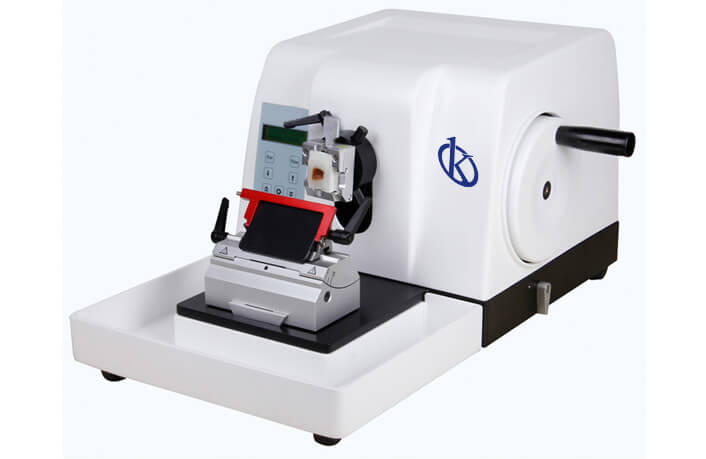
Maximizing ROI and Cost-Benefit Analysis in Microtome Selection
In the fast-paced world of laboratory operations, understanding the return on investment (ROI) and conducting thorough cost-benefit analyses are essential for selecting the right microtome for histological applications. Microtomes are critical tools in pathological anatomy, and choosing the appropriate model can significantly impact operational efficiency, budget management, and overall lab productivity. This article delves deep into the financial implications of microtome choices, providing a comprehensive analysis that aids laboratory professionals in making informed decisions.
Understanding ROI in Laboratory Equipment Investments
ROI is a financial metric that evaluates the profitability of an investment relative to its cost. In the context of laboratory equipment, such as microtomes, calculating ROI involves assessing various factors including initial purchase cost, maintenance expenses, operational efficiencies, and output quality. Recent studies suggest that a well-chosen microtome can reduce operational costs over time and enhance throughput, contributing to a better ROI.
Cost-Benefit Analysis: A Practical Approach
A cost-benefit analysis (CBA) provides a structured method for comparing the expected costs of a microtome against the anticipated benefits it will bring to the laboratory. This analysis should include direct costs like purchase price and maintenance, as well as indirect benefits such as improved sample quality and reduced waste. By employing CBA, laboratory managers can prioritize investments in equipment that yield the highest returns.
Comparison of Available Models
| Model | Purchase Price (USD) | Best for |
|---|---|---|
| YR417-1 | 5200.00 | Semi-automatic applications |
| YR416 | 3600.00 | Universal high-demand sectioning |
| YR417 | 4000.00 | Flexible laboratory use |
| YR420 | 2400.00 | Histological and pathological applications |
| YR421 | 2400.00 | High-quality, flexible performance |
| YR422 | 1200.00 | Reliable, uniform slicing |
Key Factors Affecting ROI in Microtome Use
Several factors influence the ROI of microtomes in laboratory settings:
- Initial Costs: The purchase price of the microtome is a significant factor. Models like the YR422 offer competitive pricing at $1200.00, making it a cost-effective choice for budget-conscious labs.
- Operational Efficiency: Models designed for high throughput, such as the YR416, which is priced at $3600.00, can produce more sections per hour, thereby increasing lab productivity.
- Maintenance and Downtime: Selecting a model with low maintenance needs can reduce operational interruptions. The YR420, for instance, is noted for its robust construction, ensuring reliability over time.
Common Mistakes and How to Avoid Them
When selecting microtomes, laboratories often fall into several common traps:
- Ignoring Total Cost of Ownership: Focus solely on initial purchase price can lead to higher long-term costs. Always consider maintenance and support costs.
- Neglecting User Training: Insufficient training on new models can lead to operational inefficiencies. Ensure your team is well-trained to maximize productivity.
- Overlooking Warranty and Support: Investing in equipment without considering after-sales support can lead to delays and additional costs. Check warranty options and service agreements.
Practical ROI Calculation Example
Consider the following scenario: A laboratory invests in the YR416 microtome for $3600.00. If this model allows for an increase in production from 100 to 150 sections per day, and each section averages $10 in revenue, the lab would generate an additional $500.00 daily.
This means the payback period would be:
- Daily Revenue Increase: $500.00
- Initial Investment: $3600.00
- Payback Period: $3600.00 / $500.00 = 7.2 days
Frequently Asked Questions
What factors should I consider for ROI with a microtome investment?
When calculating ROI for a microtome, consider initial costs, operational efficiencies, and maintenance expenses. For example, the YR416 model, priced at $3600.00, is known for its reliability and efficiency, which can enhance ROI through increased productivity.
How can a cost-benefit analysis improve microtome selection?
A cost-benefit analysis evaluates the expected costs against benefits, helping laboratories prioritize models yielding the highest returns. For instance, the YR420 model at $2400.00 provides high quality sections, which may justify its cost through improved sample outcomes.
Which microtome model offers the best value for investment?
The value of a microtome depends on specific laboratory needs; however, the YR422 model priced at $1200.00 is an excellent option for labs seeking reliable performance without a hefty investment.
How much can a laboratory save with an efficient microtome model?
Efficiency in microtome operations can lead to significant savings. For example, if a microtome like the YR416 produces 50 more sections per day than a competitor, that's an additional revenue of $500.00 daily, translating to substantial monthly savings.
What are the maintenance costs associated with microtome operation?
Maintenance costs can vary by model, but investing in reliable models like the YR417 can minimize these costs. Regular maintenance checks ensure optimal performance and longevity, reducing unexpected expenses.
What is the expected lifespan of a microtome in a laboratory environment?
The lifespan of a microtome typically ranges from 5 to 10 years, depending on usage and maintenance. Models such as the YR420 are built to last, providing ongoing value throughout their lifespan.
How do I measure the performance of a microtome?
Performance can be measured by the number of sections produced, quality of sections, and operational downtime. Regularly assessing these metrics allows for informed decisions about potential upgrades or replacements.
Conclusion
When selecting a microtome, understanding the interplay between ROI and cost-benefit analysis is critical to making an informed decision. By carefully evaluating various models, such as the YR416 and YR420, laboratories can maximize their investments and improve overall operational efficiency.
If you are looking for a fusion of innovation and quality, you have come to the right place. At Kalstein, we offer you the luxury of exploring our exclusive catalog of laboratory equipment. We manufacture every device to the highest standards of excellence. Our intuitive and seamless online purchasing channels are designed for your convenience, securing the most competitive prices. Hesitate no longer — we bring science to life, it is time to become part of our community.