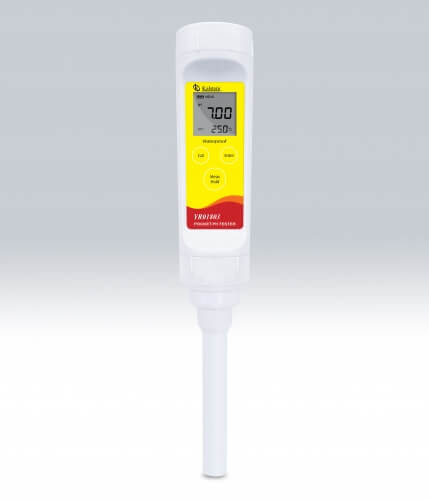
Maximizing ROI and Cost-Benefit Analysis for Portable pH Meters
In laboratories, the choice of equipment significantly impacts operational efficiency and budget management. This article delves into the return on investment (ROI) and cost-benefit analysis specific to portable pH meters. Understanding how to evaluate various models can lead to informed purchasing decisions, aligning laboratory capabilities with financial goals.
Understanding the Importance of ROI in Laboratory Equipment
Calculating the ROI for laboratory equipment involves analyzing the balance between the costs incurred and the expected financial returns. For portable pH meters, this evaluation includes initial investments, maintenance expenses, and their impact on overall laboratory productivity. A well-calculated ROI can help laboratories make strategic decisions about which pH meters to acquire.
Cost-Benefit Analysis: A Framework for Decision Making
A cost-benefit analysis (CBA) provides a detailed comparison of the costs and benefits associated with purchasing portable pH meters. By quantifying the financial metrics, laboratories can identify which models offer the most advantageous return. This approach considers factors such as upfront costs, operating expenses, and the potential for improved accuracy in measurements, which can lead to better decision-making in experiments.
Key Financial Metrics for Portable pH Meters
When evaluating portable pH meters, several financial metrics should be considered:
- Capital Expenditure (CAPEX): The initial purchase price of the device.
- Operating Expenses (OPEX): Costs involved in maintaining and operating the meter over its lifespan.
- Payback Period: The time required for the investment to generate enough returns to recover its cost.
- Cost per Test: The average cost associated with each pH measurement taken.
Comparison of Available Models
| Model | CAPEX (USD) | Cost per Test | Payback Period (Months) | Recommended Scenario |
|---|---|---|---|---|
| YR01803 | 77.00 | 0.50 | 6 | Routine lab testing |
| YR01804 | 75.00 | 0.45 | 5 | Field applications |
| YR01800 | 18.00 | 0.30 | 3 | Lightweight tasks |
| YR01802 | 94.00 | 0.60 | 7 | High-precision needs |
Common Mistakes and How to Avoid Them
A common mistake when purchasing portable pH meters is solely focusing on the upfront cost without considering long-term operational efficiency and maintenance. Laboratories should also evaluate how the precision and reliability of different models, such as the YR01803 and YR01802, can affect overall results and potential savings.
Maximizing Efficiency with Portable pH Meters
To maximize ROI from portable pH meters, laboratories should develop an efficient calibration and maintenance schedule. Regular calibrations ensure accuracy, which minimizes errors that could lead to costly resampling and retesting. Robust models can withstand the rigors of field use, offering reliable performance that saves both time and resources.
Strategies for Improving Cost-Effectiveness
Implementing practices such as bulk purchasing of consumables and regular maintenance can significantly improve the cost-effectiveness of using portable pH meters. Additionally, training staff to use these devices properly can reduce the likelihood of expensive errors. Laboratories should also consider the unique features of models like the YR01804 that enhance user experience and accuracy, leading to better results.
Investing in Technology for Long-Term Savings
Investing in high-quality portable pH meters, such as the YR01800 series, may yield long-term savings. Although the initial cost may be higher, the durability, accuracy, and lower maintenance requirements can lead to reduced operational costs over time, making them a smart choice for laboratories focused on sustainability and efficiency.
Frequently Asked Questions
What is the ROI for portable pH meters like YR01803 in laboratory applications?
The ROI for portable pH meters like the YR01803 can be significant when considering the cost per test and the accuracy provided. With an initial investment of $77.00 and a payback period of around 6 months, labs can benefit from enhanced operational efficiency and reduced error rates.
Which portable pH meter offers the best cost-benefit ratio for field applications?
The YR01804 model is particularly suited for field applications, offering a low initial cost of $75.00 and a cost per test of $0.45, which enhances its cost-benefit ratio. Its manual temperature compensation feature allows for flexibility in various conditions.
How does the YR01802 compare in long-term cost savings against other models?
The YR01802, priced at $94.00, provides high precision for demanding testing scenarios. While its upfront cost is higher, its reliability reduces the frequency of retests and errors, leading to significant long-term cost savings compared to cheaper models.
What features should I consider in a portable pH meter for laboratory use?
When selecting a portable pH meter for laboratory use, consider features like calibration options, accuracy, and user-friendliness. Models like the YR01803 offer multiple calibration points and automatic temperature compensation, enhancing their usability in varied scenarios.
How can laboratories ensure the accuracy of portable pH meters?
To ensure accuracy, laboratories should implement regular calibration schedules for their portable pH meters, like the YR01800. Manual and automatic calibration features found in the device can help maintain measurement precision and reliability.
What factors influence the cost per test in using portable pH meters?
Factors influencing the cost per test include the initial purchase price, the cost of consumables, and maintenance expenses. Models like the YR01804, with lower operating costs, can significantly reduce the cost per test, making them more economically viable over time.
How do I choose the best portable pH meter for my lab's specific needs?
Choosing the best portable pH meter involves assessing your lab's specific needs, including the types of samples analyzed and required accuracy. Evaluate various models such as YR01802 for high precision or YR01800 for portability, to determine the best fit.
What is the average lifespan of a portable pH meter in a laboratory setting?
Typically, portable pH meters like the YR01803 can last several years with proper maintenance, including regular calibration and care. Investing in robust models can further extend their lifespan, ensuring reliability for laboratory applications.
If you are looking for a fusion of innovation and quality, you have come to the right place. At Kalstein, we offer you the luxury of exploring our exclusive catalog of laboratory equipment. We manufacture every device to the highest standards of excellence. Our intuitive and seamless online purchasing channels are designed for your convenience, securing the most competitive prices. Hesitate no longer — we bring science to life, it is time to become part of our community.