Maximizing ROI and Cost-Benefit Analysis in Laboratory Refractometry
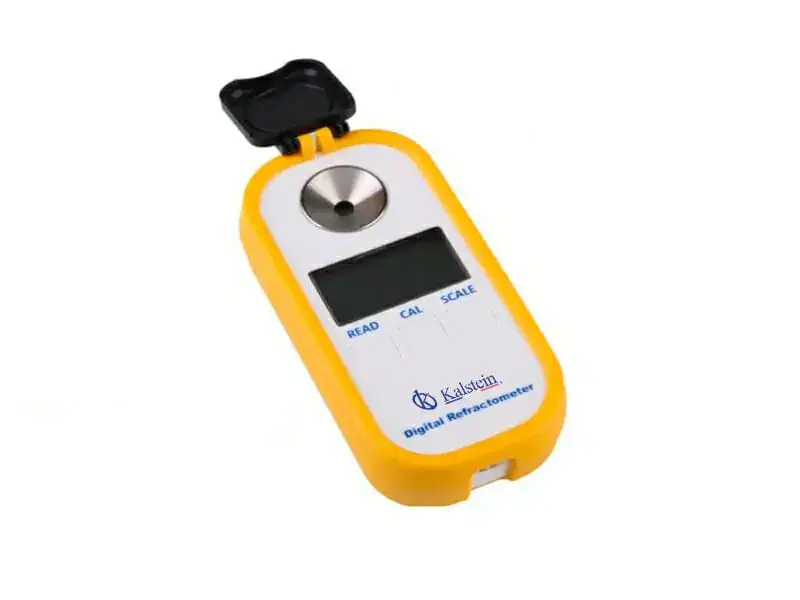
In today's competitive laboratory landscape, understanding the return on investment (ROI) and performing a thorough cost-benefit analysis for refractometers is crucial. Digital BRIX+ Salinity Refractometers, such as the YR05961, YR05962, YR05963, YR05964, and YR05965, provide essential capabilities for measuring sugar concentration and salinity. This article will delve deep into how laboratories can effectively analyze the ROI associated with these devices, helping to optimize investment decisions.
Understanding ROI in Laboratory Settings
Return on investment (ROI) is a performance measure used to evaluate the efficiency or profitability of an investment. In laboratories, determining ROI involves analyzing both the initial investment costs (CAPEX) and the ongoing operational costs (OPEX). For refractometers, the focus is often on their impact on productivity, accuracy, and the potential reduction in material waste.
Key Factors Influencing ROI for Digital BRIX+ Salinity Refractometers
Several key factors influence the ROI related to refractometers:
- Initial Costs: The purchase price of models such as YR05961 ($76.00) can be significant.
- Operational Efficiency: Automation features can reduce time spent on measurements, enhancing throughput.
- Precision and Accuracy: Accurate measurements minimize the risk of costly errors in sample testing.
- Training and Maintenance: Costs associated with staff training and equipment maintenance can impact long-term costs.
Cost-Benefit Analysis for Laboratory Refractometers
To perform a cost-benefit analysis, laboratories should assess the specific benefits of the refractometers against the costs incurred. Benefits may include:
- Improved measurement accuracy and reliability.
- Reduced reagent waste through precise measurements.
- Enhanced workflow efficiencies leading to faster results.
- Potential for increased revenue through higher-quality outputs.
Comparison of Available Models
| Model | Measurement Range | Min. Division | Accuracy | Recommended Scenario |
|---|---|---|---|---|
| YR05961 | 0-50% Brix | 0.10% | ±0.2% | Ideal for sugar content in fruit juices |
| YR05962 | 0-280‰ Salinity | 0.10% | ±0.2% | Best for testing sea water salinity |
| YR05963 | 0-280‰ Salinity | 1‰ | ±2‰ | Useful for food processing applications |
| YR05964 | 1.000-1.217 Density | 0.001 | ±0.002 | Recommended for density measurements in laboratories |
| YR05965 | 1.3330-1.4200 nD | 0.0001 nD | ±0.0003 nD | Best for optical measurements in research |
Common Mistakes and How to Avoid Them
When implementing digital refractometers, laboratories should be aware of the following common mistakes:
- Not calibrating devices regularly, which can lead to measurement inaccuracies.
- Failing to train staff adequately, resulting in inefficient use of the equipment.
- Overlooking maintenance schedules, which can affect the longevity and performance of the refractometers.
- Neglecting to document all measurements for traceability and compliance purposes.
Frequently Asked Questions
What is the expected ROI from using a digital BRIX refractometer in laboratory tests?
The ROI from using models like YR05961 can vary, but typically it results in reduced operational costs by improving measurement accuracy and decreasing reagent waste, ultimately leading to a payback period of less than 12 months.
How do digital BRIX+ salinity refractometers enhance operational efficiency?
Models like YR05962 and YR05963 enhance operational efficiency through automatic temperature compensation (ATC) and precise measurements, allowing laboratories to handle more samples with less error and faster turnaround times.
What are the maintenance requirements for digital refractometers in labs?
Maintaining models such as YR05964 involves regular calibration, cleaning the prism, and ensuring the battery is charged for optimal performance. Regular servicing can prevent costly downtime and ensure accurate results.
How does salinity measurement affect food processing operations?
Salinity measurements using models like YR05962 are critical in food processing, as they ensure the correct balance of salt, which affects taste and preservation. Accurate readings are essential to avoid spoilage and maintain product quality.
Which digital refractometer is best for fruit juice analysis?
The YR05961 model is specifically designed for measuring sugar concentration in fruit juices, making it the best choice for laboratories focused on juice quality control and standardization.
How can I ensure compliance with laboratory standards using refractometers?
To ensure compliance, use models like YR05965 that meet ISO standards for precision and traceability. Implementing regular calibration and documentation practices helps in maintaining compliance.
What are the cost implications of switching to digital refractometers?
Switching to digital refractometers like YR05961 can lead to upfront costs, but the long-term savings from improved efficiency, reduced waste, and accurate measurements can outweigh the initial investment, typically offering a payback period of 10-18 months.
What features should I look for in a refractometer for laboratory use?
Key features to consider include automatic temperature compensation (ATC), measurement range, ease of calibration, and precision. Models like YR05964 offer high precision and a broad measurement range, making them suitable for various laboratory applications.
If you are looking for a fusion of innovation and quality, you have come to the right place. At Kalstein, we offer you the luxury of exploring our exclusive catalog of laboratory equipment. We manufacture every device to the highest standards of excellence. Our intuitive and seamless online purchasing channels are designed for your convenience, securing the most competitive prices. Hesitate no longer — we bring science to life, it is time to become part of our community.