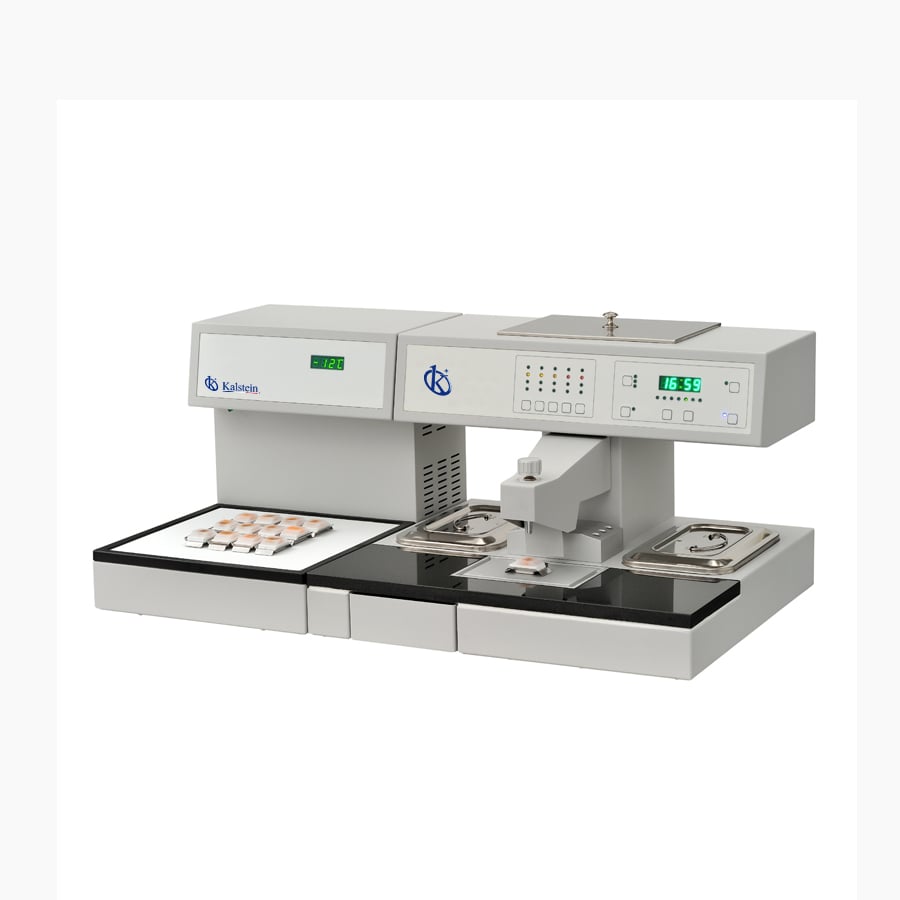
Maximizing ROI and Cost-Benefit Analysis for Tissue Embedding Systems in Laboratories
The efficiency of laboratory processes directly influences productivity and cost management. One essential component of the histopathological workflow is the tissue embedding system, which plays a pivotal role in sample preparation. This article delves into ROI and cost-benefit analysis for various tissue embedding systems, specifically focusing on models like YR441, YR447, YR439, YR445, YR439-1, and YR440B. Understanding the financial implications and operational benefits can enhance laboratory decision-making.
Understanding ROI in Tissue Embedding Systems
Return on Investment (ROI) is a critical measure that reflects the profitability of a laboratory's investment in equipment. For tissue embedding systems, several factors contribute to calculating ROI, including initial cost, maintenance expenses, productivity levels, and the quality of results produced. A thorough analysis involves assessing each model's capabilities in facilitating workflow efficiency versus their total ownership costs.
Cost-Benefit Analysis of Tissue Embedding Systems
A comprehensive cost-benefit analysis considers both quantitative and qualitative factors. This analysis evaluates the costs associated with purchasing, operating, and maintaining tissue embedding systems against the benefits gained in terms of efficiency, accuracy, and throughput. This section breaks down the financial implications of various models based on their specifications and functionalities.
Comparison of Available Models
| Model | CAPEX (USD) | Cost per test (USD) | Payback (months) | Recommended scenario |
|---|---|---|---|---|
| YR441 | 2200.00 | 1.50 | 16 | Medium-sized lab with moderate usage |
| YR447 | 2800.00 | 1.80 | 17 | High-throughput laboratories requiring advanced features |
| YR439 | 1300.00 | 1.20 | 13 | Small labs focusing on cost-efficiency |
| YR445 | 1800.00 | 1.40 | 15 | Labs needing a balance between cost and features |
| YR439-1 | 2100.00 | 1.60 | 16 | Facilities with advanced automation requirements |
| YR440B | 1100.00 | 1.00 | 12 | Budget-sensitive labs |
Common Mistakes and How to Avoid Them
Laboratory managers often overlook crucial aspects when selecting tissue embedding systems. Common mistakes include failing to evaluate total ownership costs, neglecting to consider workflow integration, and overlooking the potential need for training personnel. Each of these factors can significantly impact both ROI and the overall benefit derived from the investment. It's essential to conduct a detailed analysis of operational needs and expected outcomes to avoid these pitfalls.
Maximizing Efficiency with Tissue Embedding Systems
Efficiency in the laboratory is paramount, particularly in high-volume settings. Tissue embedding systems like the YR447, known for its quick and uniform heating capabilities, minimize downtime and enhance throughput. By implementing effective strategies and selecting the right model, laboratories can optimize their workflows, ultimately leading to reduced operational costs.
Energy Consumption and Sustainability in Tissue Embedding
Energy consumption has become a significant consideration in laboratory equipment selection due to rising costs and environmental concerns. Modern tissue embedding systems, such as the YR445, utilize energy-efficient technologies to lower power consumption while maintaining superior performance. This section explores the energy profiles of each model and how selecting energy-efficient devices can contribute to overall lab sustainability.
Integration of Technology in Tissue Embedding Systems
Advancements in technology have led to the integration of more sophisticated features in tissue embedding systems. These systems can now offer automation capabilities, which reduce labor costs and enhance reproducibility. The YR439-1 stands out for its programmable features, allowing labs to automate processes, thus improving both efficiency and consistency in sample preparation.
Frequently Asked Questions
What is the ROI I can expect from a tissue embedding system like YR447?
The ROI for the YR447 tissue embedding system can be expected around 17 months, considering its initial cost of $2800 and a cost per test of $1.80, making it suitable for high-throughput laboratories.
How does the YR439 reduce costs in embedded tissue processing?
The YR439, with its low initial cost of $1300 and a cost per test of $1.20, provides budget-sensitive labs a cost-effective solution without compromising performance in tissue processing.
Which tissue embedding system offers the best energy efficiency?
The YR445 is noted for its energy-efficient operation, providing labs with significant savings on energy costs while offering a high-capacity system for tissue embedding.
Can the YR441 support high-throughput scenarios effectively?
Yes, the YR441 can support moderate throughput scenarios effectively, providing flexibility with its programmable features and independent heated areas, making it suitable for labs with diverse needs.
How often should I calibrate my tissue embedding system for optimal performance?
For systems like the YR439, regular calibration is recommended every six months to maintain accuracy and ensure consistent performance in tissue embedding processes.
What features should I look for in a tissue embedding system to maximize ROI?
Look for features such as automation capabilities, energy efficiency, and ease of use, as seen in the YR447, which enhances laboratory efficiency and can significantly improve ROI.
How does the YR440B contribute to laboratory sustainability?
The YR440B, with its advanced cooling technology and lower energy consumption, allows for eco-friendly operations, contributing to sustainability goals in laboratory settings.
What is the expected payback period for the YR445 in a high-volume lab?
The payback period for the YR445 in a high-volume lab scenario is approximately 15 months, based on its initial investment of $1800 and efficient processing capabilities.
If you are looking for a fusion of innovation and quality, you have come to the right place. At Kalstein, we offer you the luxury of exploring our exclusive catalog of laboratory equipment. We manufacture every device to the highest standards of excellence. Our intuitive and seamless online purchasing channels are designed for your convenience, securing the most competitive prices. Hesitate no longer — we bring science to life, it is time to become part of our community.