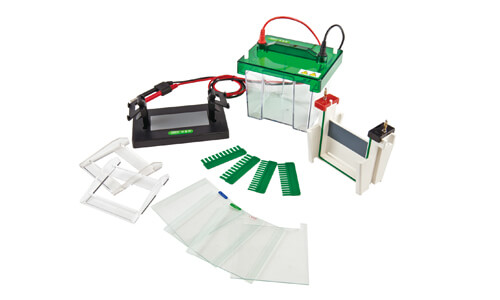
Maximizing ROI and Cost-Benefit Analysis for Vertical Electrophoresis in Laboratories
In the realm of laboratory diagnostics, vertical electrophoresis has become a pivotal technique for separating proteins and biomolecules. However, with the increasing demands for efficiency and cost-effectiveness, laboratory managers must consider the return on investment (ROI) and perform detailed cost-benefit analyses for each model they aim to incorporate into their workflows. This article delves into various models of vertical electrophoresis, emphasizing their financial implications and operational benefits.
Understanding ROI in Laboratory Equipment
Return on investment (ROI) is a crucial metric that laboratory managers use to evaluate the potential profitability of their equipment purchases. In the case of vertical electrophoresis, this involves assessing not just the initial capital investment but also the operational costs associated with each model over its lifespan. Factors such as sample throughput, reagent costs, and maintenance should all be factored into this analysis.
Cost-Benefit Analysis: Key Components
Conducting a comprehensive cost-benefit analysis involves identifying both the direct and indirect costs of using vertical electrophoresis equipment. Direct costs include purchase price, consumables, and maintenance, while indirect costs can encompass training, downtimes, and potential reallocations of resources. Each model presents unique financial profiles that should be meticulously evaluated.
Comparison of Available Models
| Model Code | CAPEX (USD) | Cost per Test (USD) | Payback Period (Months) | Recommended Scenario |
|---|---|---|---|---|
| YR03425 | 303.00 | 2.50 | 12 | Low-volume labs needing quick setups |
| YR03426 | 405.00 | 2.80 | 14 | Mid-volume labs with multiple tests |
| YR03427 | 517.20 | 3.00 | 16 | Research labs requiring flexibility |
| YR03428 | 173.40 | 1.50 | 10 | Budget-conscious settings |
| YR03429 | 238.20 | 1.80 | 11 | High-throughput labs |
| YR03430 | 339.60 | 2.20 | 15 | Versatile labs needing quick results |
Evaluating Technical Features for Cost-Effectiveness
When analyzing the ROI of vertical electrophoresis models, one must not overlook technical features such as gel thickness, sample volume capacity, and buffer requirements. For instance, the YR03428 model stands out due to its lower buffer volume requirement of approximately 1,800 ml, which can lead to significant savings over high-frequency usage compared to other models.
Common Mistakes and How to Avoid Them
When evaluating vertical electrophoresis equipment, common mistakes include focusing solely on the initial purchase price without considering total cost of ownership. Additionally, overlooking technical specifications, such as throughput capacity and compatibility with existing lab protocols, can lead to inefficiencies. Ensuring a thorough analysis and seeking expert input can help avoid these pitfalls.
Calculating Total Cost of Ownership
To assess the total cost of ownership for vertical electrophoresis models, consider both the capital expenditure (CAPEX) and operating expenses (OPEX). OPEX includes maintenance, consumables, and potential labor costs associated with each model. For example, a comprehensive analysis for model YR03426 reveals an expected OPEX of $2,500 annually, which can significantly affect ROI calculations.
Best Practices for Maximizing ROI
Maximizing ROI in vertical electrophoresis requires strategic purchasing, including evaluating multiple models against laboratory needs and budget constraints. Performing a detailed usage analysis can help in understanding potential throughput and operational costs associated with different models. Additionally, leveraging training and skill development can enhance efficiency and minimize error rates.
Frequently Asked Questions
How can I calculate the ROI for vertical electrophoresis models in my lab?
Calculating the ROI for vertical electrophoresis models involves assessing both the initial costs and ongoing operational expenses. For instance, the YR03425 model, with a CAPEX of $303.00 and an estimated cost per test of $2.50, can be analyzed over time to determine when the investment pays off based on your lab's testing volume.
What are the operational costs associated with YR03428 in vertical electrophoresis?
Operational costs for the YR03428 model include consumables, maintenance, and average buffer requirements of 1,800 ml per use. When used frequently, these costs should be tracked to assess the overall financial impact on your lab's budget and inform future procurement decisions.
Which vertical electrophoresis model is best for small laboratories?
For small laboratories, the YR03425 model is highly recommended due to its lower initial investment of $303.00 and straightforward setup process. This model allows for efficient protein separation without extensive resource requirements, making it ideal for labs with limited budgets.
How does sample throughput affect cost considerations in vertical electrophoresis?
Sample throughput directly influences the cost per test in vertical electrophoresis. Models like YR03429, designed for high-throughput capacities, may have higher upfront costs but can provide savings through reduced labor and operational costs when processing larger batches of samples.
What are the key features to consider when purchasing a vertical electrophoresis unit?
Key features to consider include the gel thickness options, sample volume capacity, and ease of setup. For example, the YR03426 model offers diverse gel thickness options and can accommodate multiple plates, allowing for flexibility in various applications and enhancing ROI potential.
Which vertical electrophoresis model minimizes reagent consumption?
The YR03428 model is designed to minimize reagent consumption with its buffer capacity of 1,800 ml, making it suitable for labs aiming to reduce operational costs while maintaining performance. This efficiency can significantly impact the overall cost-benefit of laboratory operations.
How do maintenance costs vary between different vertical electrophoresis models?
Maintenance costs can vary based on the complexity and material quality of each model. For instance, YR03430 requires regular checks and has specific maintenance guidelines, which if followed can help reduce long-term costs compared to models with higher maintenance demands.
What is the expected lifespan of vertical electrophoresis equipment?
The expected lifespan of vertical electrophoresis equipment generally ranges from 5 to 10 years, depending on usage frequency and maintenance. Investing in durable models such as YR03427 can help maximize ROI through prolonged usability and lower replacement expenses over time.
If you are looking for a fusion of innovation and quality, you have come to the right place. At Kalstein, we offer you the luxury of exploring our exclusive catalog of laboratory equipment. We manufacture every device to the highest standards of excellence. Our intuitive and seamless online purchasing channels are designed for your convenience, securing the most competitive prices. Hesitate no longer — we bring science to life, it is time to become part of our community.