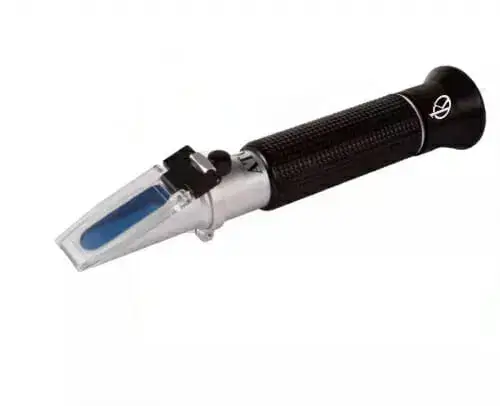
Maximizing ROI and Cost-Benefit Analysis for Wine Refractometers
In the world of laboratory equipment, particularly in viticulture and oenology, wine refractometers play a crucial role in determining the quality of wine production. Beyond their use for basic measurements, evaluating the return on investment (ROI) and performing a comprehensive cost-benefit analysis enables laboratories to optimize their resources effectively. This article will guide laboratory professionals through the intricate evaluations necessary for selecting the right wine refractometer models and understanding their financial implications.
Understanding the Importance of ROI in Laboratory Settings
Return on investment (ROI) is a critical metric that allows laboratory managers to assess the profitability of their equipment purchases. In the case of wine refractometers, understanding how to calculate and interpret ROI helps labs justify expenditures and optimize their workflow. A well-calibrated refractometer can yield significant financial returns by improving accuracy in measurements, reducing waste, and enhancing overall efficiency.
Cost-Benefit Analysis Framework for Wine Refractometers
A cost-benefit analysis (CBA) systematically evaluates the financial implications of purchasing wine refractometers, focusing on both direct and indirect costs. The direct costs include the purchase price, maintenance fees, and operational expenses, while indirect costs may include the value of time saved and improvements in wine quality. This analysis enables laboratory managers to make informed decisions about which model to invest in based on projected returns.
Key Factors Influencing ROI for Wine Refractometers
Several factors influence the ROI of wine refractometers, including:
- Accuracy and Precision: Models such as YR05932 and YR05934 are equipped with automatic temperature compensation (ATC) which enhances measurement accuracy, ultimately leading to better wine quality.
- Time Efficiency: The time saved in obtaining accurate refractive index measurements can lead to increased productivity in wine production processes.
- Durability and Maintenance: Investing in high-quality materials ensures longevity, reducing the frequency of replacements and associated costs.
Investment Scenarios for Different Laboratory Sizes
The ROI for wine refractometers can vary significantly based on the size and scale of the laboratory. Small wineries may benefit from models like YR05931, which is affordable and provides essential features, while larger operations may require advanced models like YR05933, which offer extensive measurement capabilities. Below is a breakdown of potential investment scenarios:
| Model | Initial Cost (USD) | Annual Operational Cost (USD) | Projected Annual Savings (USD) | ROI (%) |
|---|---|---|---|---|
| YR05931 | 10.00 | 50.00 | 200.00 | 800% |
| YR05932 | 9.50 | 45.00 | 220.00 | 699% |
| YR05933 | 10.00 | 60.00 | 250.00 | 317% |
| YR05934 | 9.50 | 50.00 | 230.00 | 530% |
Common Mistakes and How to Avoid Them
When evaluating wine refractometers, laboratory professionals often make common mistakes that can lead to undesirable outcomes. Understanding these pitfalls can significantly improve the decision-making process:
- Ignoring Specifications: Each model offers different measurement capabilities. For instance, the YR05934 is ideal for 0-22% Baume, while the YR05933 focuses on Oe measurements.
- Overlooking Maintenance Costs: Regular maintenance is crucial for ensuring accurate readings. Incorporating maintenance costs into the CBA can provide a more accurate ROI.
- Neglecting User Training: Training users on how to operate the refractometer correctly can prevent errors and enhance measurement accuracy.
Comparison of Available Models
| Model | Measurement Range | Price (USD) | Best For |
|---|---|---|---|
| YR05931 | 0-80% v/v | 10.00 | Basic alcohol readings |
| YR05932 | 0-25% Vol, 0-40% Brix | 9.50 | Versatile wine analysis |
| YR05933 | 0-25% Vol, 0-170 °Oe | 10.00 | Detailed Oe measurements |
| YR05934 | 0-20% Baume, 0-25% Vol | 9.50 | Specialized baume analysis |
Frequently Asked Questions
What factors should I consider when purchasing a wine refractometer for my lab?
When purchasing a wine refractometer, consider factors like measurement range, accuracy, and whether it has features like automatic temperature compensation (ATC). For example, the YR05932 has a wide range and ATC, making it suitable for diverse wine-testing scenarios.
How does the cost of a wine refractometer affect ROI in my laboratory?
The cost of a wine refractometer directly influences ROI through initial investment and operating costs. For instance, models like YR05934, priced at 9.50 USD, can provide significant savings due to their efficiency in measuring sugar content in wine.
Which wine refractometer model has the best accuracy for brix measurements?
The YR05932 model is suitable for accurate brix measurements, with a precision of ±0.2% Brix. This precision is critical for achieving the desired sweetness levels in wine production.
What is the average lifespan of a wine refractometer, and how does it impact ROI?
The average lifespan of a quality wine refractometer is typically 5-10 years depending on usage and maintenance. A longer lifespan, like that of the YR05933, can enhance ROI by reducing replacement frequency.
How can I justify the expense of a wine refractometer in my budget?
Justifying the purchase of a wine refractometer involves presenting potential savings from improved accuracy and efficiency. For example, using the YR05934 can reduce costs associated with miscalculations in wine production.
What maintenance practices are essential for ensuring the accuracy of wine refractometers?
Regular cleaning and calibration are essential for maintaining the accuracy of wine refractometers. Implementing a schedule for models like YR05931 will help prevent costly inaccuracies in readings.
How much can I expect to save annually by using an efficient wine refractometer?
Depending on the model and usage, laboratories can save between 200 to 250 USD annually by utilizing efficient models like YR05932 or YR05933 due to improved measurement accuracy and reduced waste.
What features should I look for in a wine refractometer for commercial use?
For commercial applications, look for features such as a wide measurement range, ATC capabilities, and durability. The YR05933 is ideal for these applications due to its robust design and extensive measuring range.
If you are looking for a fusion of innovation and quality, you have come to the right place. At Kalstein, we offer you the luxury of exploring our exclusive catalog of laboratory equipment. We manufacture every device to the highest standards of excellence. Our intuitive and seamless online purchasing channels are designed for your convenience, securing the most competitive prices. Hesitate no longer — we bring science to life, it is time to become part of our community.