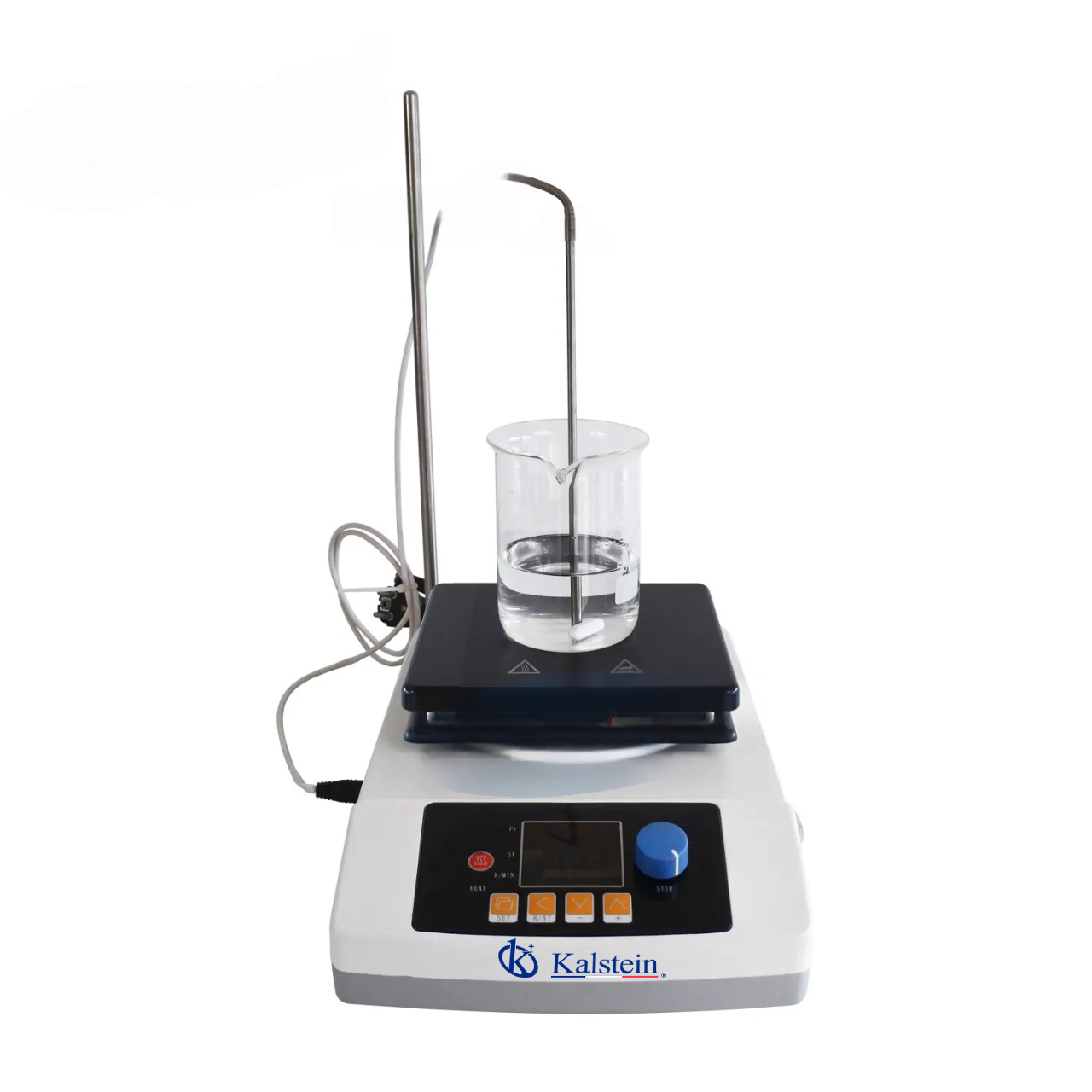
Maximizing ROI with Intelligent Digital Display Ceramic Top Hotplate Stirrers
The Intelligent Digital Display Ceramic Top Hotplate Stirrer family provides essential capabilities for modern laboratories, particularly in terms of return on investment (ROI) and cost-benefit analysis. As laboratories strive for efficiency and effectiveness, evaluating the financial impact of laboratory equipment selection becomes crucial. This article delves into the specifics of maximizing ROI using hotplate stirrers, comparing models, and outlining common pitfalls to avoid.
Understanding ROI in Laboratory Equipment Investments
Return on Investment (ROI) is a financial metric used to evaluate the efficiency or profitability of an investment relative to its cost. For laboratory professionals, understanding ROI involves assessing both direct and indirect costs associated with laboratory equipment, including purchase price, operational expenses, maintenance, and the revenue generated through enhanced productivity. Calculating ROI helps professionals make informed decisions about which equipment to purchase, ensuring alignment with budgetary constraints and operational goals.
Cost-Benefit Analysis for Hotplate Stirrers
A cost-benefit analysis focuses on comparing the expected benefits of an investment against its costs. In the context of Intelligent Digital Display Ceramic Top Hotplate Stirrers, benefits include increased efficiency, reduced reagent waste, and improved accuracy in temperature control. By quantifying both the costs (initial purchase price, consumables, and maintenance) and benefits (time savings, enhanced performance), laboratories can identify which model offers the best ROI.
ROI Calculation Example
To illustrate, let's consider a laboratory looking at three different models: YR02937, YR02938, and YR02939. By estimating the annual operating costs and the potential revenue generation from increased throughput, the lab can calculate the expected payback period for each model.
Comparison of Available Models
| Model | CAPEX (USD) | Annual Operating Cost (USD) | Potential Revenue Increase (USD) | Payback Period (Months) | Best For |
|---|---|---|---|---|---|
| YR02937 | 143.00 | 200.00 | 1,200.00 | 1.43 | Basic laboratory applications |
| YR02938 | 179.00 | 250.00 | 1,400.00 | 1.28 | Chemical research labs |
| YR02939 | 213.00 | 300.00 | 1,800.00 | 1.17 | Biological applications |
Features Impacting ROI
Choosing the right ceramic top hotplate stirrer goes beyond initial costs. Key features such as temperature control precision, heating speed, and maximum operating temperatures are critical. For instance, the YR02939 model offers a maximum temperature of 380 degrees Celsius, which is ideal for laboratories requiring high-temperature processes. Additionally, the PID temperature control ensures consistency that minimizes experimental error, enhancing overall lab productivity.
Common Mistakes and How to Avoid Them
Laboratory professionals often fall into the trap of underestimating the importance of operational costs when evaluating equipment. Focus solely on the purchase price can lead to poor ROI outcomes. Another common mistake is neglecting to consider how equipment will integrate with existing workflows. Before choosing a hotplate stirrer, evaluate how it meshes with current laboratory needs, user training requirements, and maintenance resources.
Maximizing Efficiency Through Smart Usage
Implementing best practices for operating hotplate stirrers can significantly enhance ROI. For example, properly calibrating temperature settings can prevent overheating, which helps to save energy and extend the lifespan of the equipment. Additionally, scheduling maintenance checks for models like the YR02940 can prevent unexpected downtime, ensuring continuous operation and maximizing productivity.
Energy Considerations and Sustainability
With increasing focus on sustainability, laboratories need to consider energy consumption when evaluating hotplate stirrers. Selecting energy-efficient models can reduce electricity costs significantly. For instance, understanding the power draw of each unit and its efficiency can aid in selecting an environmentally friendly option. The YR02942 model provides a perfect balance between performance and energy consumption, thus appealing to eco-conscious laboratories.
Frequently Asked Questions
What is the expected ROI for the YR02939 hotplate stirrer in a busy lab?
The YR02939 hotplate stirrer can yield an ROI of approximately 1.17 months, considering its operational efficiency and potential revenue increase of $1,800 annually. This makes it an excellent choice for laboratories focused on biological applications.
How do the operational costs of YR02938 compare to other models?
The annual operating cost for the YR02938 is around $250, which positions it as a cost-effective solution compared to models with higher operational expenses. Its robust performance justifies the investment for chemical research labs.
What benefits can I expect from using the YR02937 model?
The YR02937 model is ideal for basic laboratory applications, offering a low initial cost of $143 and a payback period of just 1.43 months, making it a financially wise choice for smaller labs.
How does precise temperature control affect the ROI of hotplate stirrers?
Precise temperature control, as provided by models like the YR02939, minimizes experimental errors and maximizes throughput, directly impacting ROI by increasing the efficiency of laboratory processes and reducing costs associated with failed experiments.
What are the maintenance costs associated with YR02940 hotplate stirrer?
The maintenance costs for the YR02940 are manageable and contribute to its overall ROI. Regular checks and calibration can prevent malfunctions and enhance performance, leading to better long-term investment outcomes.
How can energy efficiency impact the operational costs of hotplate stirrers?
Energy-efficient models like the YR02942 reduce operational costs by lowering electricity consumption, contributing to better ROI through decreased utility bills and enhanced sustainability in laboratory practices.
What is the best scenario for using the YR02938 hotplate stirrer?
The YR02938 is best suited for chemical research labs where high precision and reliability are essential. Its features support complex experiments, thereby justifying its operational costs and contributing to a favorable ROI.
How to integrate hotplate stirrers into existing laboratory workflows?
Integrating hotplate stirrers into existing workflows requires assessing compatibility with current equipment and procedures. Ensuring proper training for staff on models like the YR02940 can optimize performance and enhance ROI.
If you are looking for a fusion of innovation and quality, you have come to the right place. At Kalstein, we offer you the luxury of exploring our exclusive catalog of laboratory equipment. We manufacture every device to the highest standards of excellence. Our intuitive and seamless online purchasing channels are designed for your convenience, securing the most competitive prices. Hesitate no longer — we bring science to life, it is time to become part of our community.