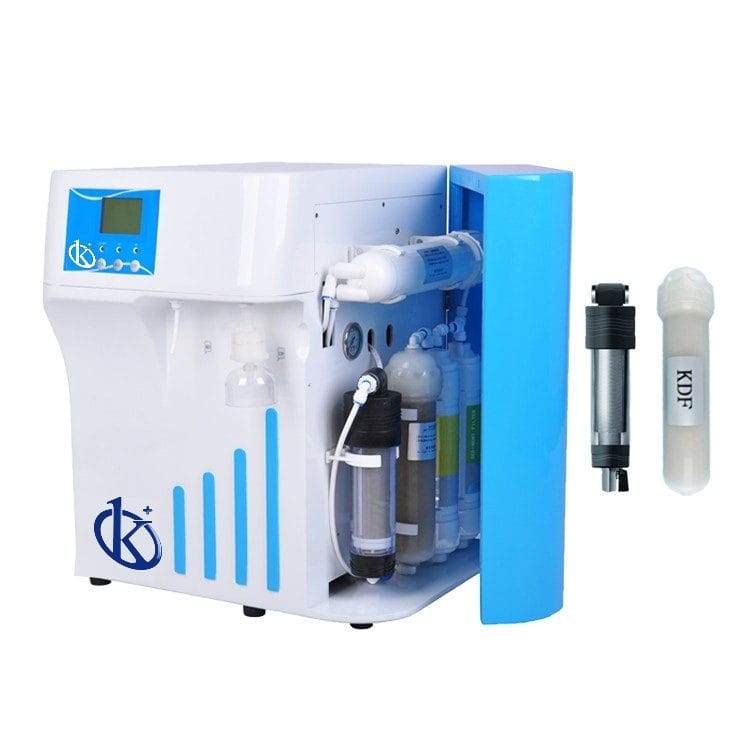
Understanding Measurement Interpretation and Results Reading with the YR54-1 Water Purification System
The YR54-1 Water Purification System is a compact solution that provides both pure and ultra-pure water in a single unit, eliminating the need for upstream pre-treatment. This article focuses on the interpretation of measurement results and reading of measurements, essential for optimal operation and reliability.
Principle of Operation and Scientific Fundamentals
The YR54-1 operates based on advanced filtration and purification technologies. Understanding the physical and chemical principles behind these methods is crucial for interpreting the results accurately.
The system utilizes reverse osmosis (RO) and deionization (DI) processes, which are essential for achieving high purity levels. The RO membrane removes up to 99% of dissolved salts and contaminants, while DI resins further polish the water to achieve resistivity levels of 18.25 MΩ.cm at 25°C. This section delves into the scientific principles governing these processes, allowing users to understand the significance of their measurements.
Key Features Affecting Measurement Interpretation
Understanding the features of the YR54-1 is vital for accurate interpretation of measurement results. Key features include:
- Integrated Feed Water Control: Ensures that only high-quality feed water is processed, which directly impacts the purity of the output water.
- Conductivity Measurement: The system includes high-precision conductivity measurement cells that provide real-time data on water purity.
- Temperature Compensation: Utilizes platinum chip temperature sensors to ensure accurate readings, maintaining compliance with standards like the USP.
These features contribute to reliable measurements, essential for users to properly interpret the quality of water produced by the YR54-1.
Reading Display Outputs and Common Misinterpretations
The YR54-1 is equipped with a large, easy-to-read LCD that displays critical information:
- Temperature in °C
- Conductivity/resistivity of the water
- Operational status (production, standby)
- Water level in the tank
- Consumable change reminders
Misinterpretations often arise from misunderstanding these outputs. For example, users may confuse standard resistivity readings with acceptable limits. This section will clarify the normal ranges and error margins for each measurement, providing worked examples to illustrate common pitfalls.
Technical Data Table of the YR54-1
| Model | YR54-1 |
|---|---|
| Brand | Kalstein |
| Category | Water System |
| Price (USD) | 3380.00 |
| Weight (Gross) | 51 kg |
| Dimensions | 55 x 63 x 68 cm |
Common Measurement Challenges and Solutions
When using the YR54-1, users may encounter various challenges regarding measurement accuracy. Below is a table outlining symptoms, causes, and solutions:
| Symptom | Possible Cause | Solution |
|---|---|---|
| Inconsistent conductivity readings | Dirty or old measurement cells | Clean or replace the conductivity cells |
| Display shows error code | System malfunction or misconfiguration | Refer to the user manual for troubleshooting steps |
| Water quality not meeting standards | Feed water quality issue | Check and improve feed water quality |
Frequently Asked Questions
What is the significance of conductivity measurements in the YR54-1?
Conductivity measurements indicate the level of dissolved ions in the water. Low conductivity readings suggest high purity, essential for applications requiring ultrapure water.
How does temperature compensation affect my readings?
Temperature compensation ensures that conductivity readings are accurate across varying temperatures. This is crucial for precise measurements in laboratory settings.
What are the common pitfalls when interpreting results from the YR54-1?
Users often misinterpret conductivity readings, assuming lower values are always better without considering the context of the specific application requirements.
How can I maintain the accuracy of my YR54-1 system?
Regular maintenance, including cleaning and replacing consumables, as well as periodic calibration of measurement cells, is essential to ensure the accuracy of the readings.
What types of water sources are compatible with the YR54-1?
The YR54-1 is designed to work with urban tap water within a pressure range of 0.15-0.5 MPa and a temperature range of 5-40°C.
How does the YR54-1 alert users to maintenance needs?
The system includes reminders for consumable changes and alerts for maintenance, allowing users to keep the equipment in optimal working condition.
What are the dimensions and weight specifications of the YR54-1?
The YR54-1 has gross dimensions of 55 cm x 63 cm x 68 cm and weighs 51 kg, designed for easy integration into laboratory spaces.
If you are looking for a fusion of innovation and quality, you have come to the right place. At Kalstein, we offer you the luxury of exploring our exclusive catalog of laboratory equipment. We manufacture every device to the highest standards of excellence. Our intuitive and seamless online purchasing channels are designed for your convenience, securing the most competitive prices. Hesitate no longer — we bring science to life, it is time to become part of our community.