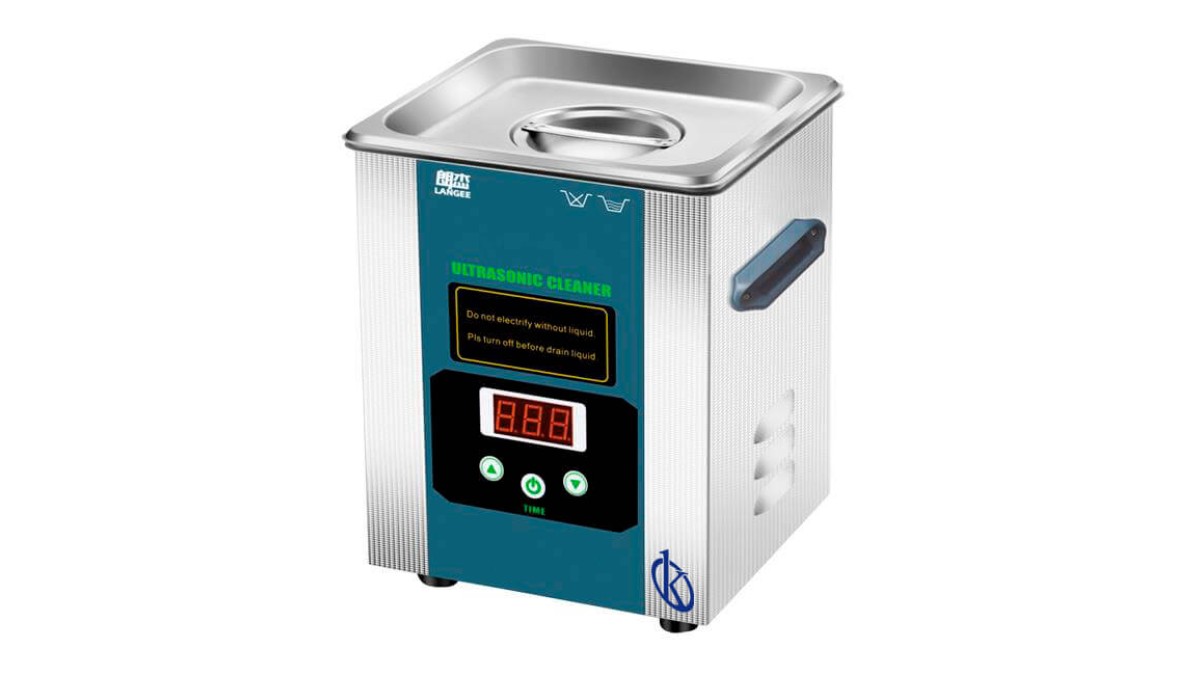
Mechanical Desktop Ultrasonic Cleaners: Applications in Research, Biotechnology, and Academia 2026
Mechanical Desktop Ultrasonic Cleaners are essential tools in laboratories that require precision cleaning of delicate items. These devices utilize ultrasonic waves to create cavitation bubbles that effectively remove contaminants from various surfaces. In this article, we will explore their practical applications, best practices, and the techniques involved in using them efficiently within laboratory workflows in 2026.
What is it used for in 2026
In 2026, Mechanical Desktop Ultrasonic Cleaners are primarily used in academic laboratories, research institutions, and biotechnology firms for the meticulous cleaning of items such as jewelry, chains, eyeglasses, and laboratory tools. These devices are known for their ability to clean intricate parts and surfaces that are difficult to reach using traditional cleaning methods. Their applications span across various fields including:
- Cleaning of laboratory glassware and tools
- Maintaining precision instruments in biotechnology
- Cleaning delicate jewelry and textiles
- Removing contaminants from electronic components
These ultrasonic cleaners offer a reliable and efficient cleaning solution, ensuring that laboratory practices meet the highest hygiene standards.
History and evolution of the technology
The development of ultrasonic cleaning technology started in the early 1950s, initially used for cleaning delicate instruments in surgical environments. As technology advanced, the use of ultrasonic cleaners extended to various industries, including automotive, aerospace, and electronics. By the late 20th century, ultrasonic cleaning became increasingly popular in laboratories and academic settings. In 2026, modern ultrasonic cleaners have evolved to include features such as adjustable frequency settings, varying tank sizes, and programmable cleaning cycles, making them more versatile and user-friendly than ever before.
How to use it step by step
Using a Mechanical Desktop Ultrasonic Cleaner effectively involves several steps:
- Preparation: Gather the items to be cleaned and ensure they do not contain sensitive electronic components or can be damaged by ultrasonic waves.
- Fill the tank: Fill the tank with the appropriate cleaning solution or water based on the manufacturer's recommendations.
- Set the parameters: Select the appropriate frequency and cleaning time for the type of material being cleaned.
- Place items: Carefully place the items in the tank, ensuring they do not touch each other to avoid any damage.
- Start the cleaning cycle: Activate the ultrasonic cleaner and allow it to run for the preset time.
- Rinse items: After cleaning, rinse the items with clean water to remove any residual cleaning solution.
- Dry items: Allow the items to air dry or use a clean cloth to dry them gently.
Following these steps ensures that the items are cleaned effectively without any damage.
Best techniques and protocols
To achieve optimal cleaning results with Mechanical Desktop Ultrasonic Cleaners, consider the following techniques and protocols:
- Use of appropriate cleaning solutions: Select a cleaning solution that is compatible with the material being cleaned. For example, specific solutions are designed for metals, while others are suited for plastics or glass.
- Optimal temperature settings: Some ultrasonic cleaners have heating capabilities. Using heated solutions can enhance cleaning efficiency, especially for stubborn contaminants.
- Proper loading: Ensure that the items are loaded correctly without overcrowding the tank, as this can impede the ultrasonic waves' effectiveness.
- Regular maintenance: Regularly check and maintain the ultrasonic cleaner to ensure it operates at peak performance.
- Cycle adjustment: Adjust cleaning cycles based on the level of contamination and the material of the items for best results.
Implementing these techniques will lead to more effective cleaning outcomes and prolong the lifespan of both the ultrasonic cleaner and the items being cleaned.
Practical applications by laboratory type
Mechanical Desktop Ultrasonic Cleaners find various practical applications across different types of laboratories:
Academic Laboratories
In academic settings, ultrasonic cleaners are utilized for cleaning laboratory glassware, ensuring that experiments are conducted without contamination. They also serve to clean delicate instruments used in teaching.
Biotechnology Laboratories
Biotechnology laboratories benefit from ultrasonic cleaners for the maintenance of precision instruments and tools used in research. They ensure that these instruments are free from biological residues that could affect experimental results.
Medical Laboratories
In medical laboratories, these cleaners are crucial for maintaining hygiene standards. They clean surgical instruments and lab equipment, ensuring patient safety and compliance with health regulations.
Industrial Laboratories
Industrial laboratories use ultrasonic cleaning for large-scale cleaning of components, such as parts used in machinery and production lines, ensuring that they operate efficiently and are free from contaminants.
Regulations, standards and certifications
When utilizing Mechanical Desktop Ultrasonic Cleaners in laboratory environments, it is important to adhere to specific regulations and standards to ensure safety and effectiveness. Key regulations include:
- ISO 9001: A standard that outlines quality management systems and is crucial for laboratories providing consistent quality in their operations.
- EN 12540: European standard for ultrasonic cleaning devices, ensuring they meet performance and safety guidelines.
- FDA Regulations: In medical laboratories, compliance with FDA guidelines for cleaning and sterilization of instruments is mandatory.
Staying compliant with these regulations ensures that the laboratory operates within legal requirements and maintains high standards of safety and quality.
Comparison with alternative technologies
Mechanical Desktop Ultrasonic Cleaners offer unique advantages compared to other cleaning technologies:
- Manual Scrubbing: While manual scrubbing can remove surface dirt, it often fails to eliminate contaminants in hard-to-reach areas, whereas ultrasonic cleaners can reach intricate spaces.
- Steam Cleaning: Steam cleaning is effective for surface cleaning but may not penetrate crevices as deeply as ultrasonic cleaning, making the latter a better choice for delicate items.
- Pressure Washing: Pressure washing is too aggressive for delicate laboratory items, while ultrasonic cleaners provide a gentler approach.
In conclusion, ultrasonic cleaners are often the superior choice for cleaning delicate laboratory equipment and materials.
Comparison of available models
| Model | Best for | Key specs | Recommended use case |
|---|---|---|---|
| YR05207 | Jewelry and small delicate items | 1.3L tank, 70W power, 40kHz frequency | Ideal for cleaning jewelry, eyeglasses, and small laboratory tools. |
| YR05202 | Laboratory and industrial cleaning | 11L capacity, 300W heating, 40/80/120kHz frequency | Best for larger laboratory equipment and removing tough contaminants. |
| YR05203 | Laboratory and medical use | 15L capacity, 400W power, 40/80/120kHz frequency | Suitable for medical instruments and laboratory glassware. |
| YR05204 | Heavy-duty cleaning | 20L capacity, 400W power, 40/80/120kHz frequency | Effective for cleaning larger industrial parts. |
| YR05205 | Large scale laboratory cleaning | 22L capacity, 500W power, 40/80/120kHz frequency | Great for extensive cleaning tasks in large laboratories. |
| YR05206 | Maximum capacity cleaning | 30L capacity, 600W power, 40/80/120kHz frequency | Best for industrial-sized cleaning requirements. |
Common mistakes and how to avoid them
To maximize the effectiveness of Mechanical Desktop Ultrasonic Cleaners, avoid these common mistakes:
- Overloading the tank: This can restrict ultrasonic waves, leading to ineffective cleaning. Always ensure proper spacing between items.
- Ignoring manufacturer guidelines: Each model has specific instructions for optimal use. Ensure to follow these for best results.
- Using incorrect cleaning solutions: Not all cleaning solutions are suitable for all materials. Select the right solution based on the item being cleaned.
- Neglecting maintenance: Regularly clean and check the ultrasonic cleaner to ensure it functions properly.
By avoiding these mistakes, you can enhance the cleaning efficiency and longevity of your equipment.
Maintenance, calibration and good practices 2026
To ensure optimal performance of Mechanical Desktop Ultrasonic Cleaners, follow these maintenance and calibration practices:
- Regular cleaning: Clean the tank after each use to prevent residue build-up.
- Calibration checks: Regularly check the ultrasonic frequency and power output to ensure they are within manufacturer specifications.
- Inspect components: Routinely inspect cords, pumps, and transducers for any signs of wear or damage.
- Document maintenance: Keep a maintenance log to track when parts were last checked or replaced.
Implementing these practices will help maintain the efficiency and functionality of ultrasonic cleaning equipment.
Cost-benefit analysis 2026
Investing in Mechanical Desktop Ultrasonic Cleaners offers significant benefits for laboratories:
- Time savings: Ultrasonic cleaners drastically reduce cleaning time compared to manual methods.
- Labor cost reduction: Automation minimizes the need for manual labor, allowing personnel to focus on other critical tasks.
- Enhanced cleaning quality: The precision of ultrasonic cleaning ensures that items are cleaned thoroughly, reducing the risk of contaminants affecting experiments.
- Longevity of equipment: Regular cleaning extends the life of costly laboratory instruments and tools.
In summary, the initial investment in ultrasonic cleaning technology is offset by the long-term savings and quality improvements in laboratory operations.
Frequently asked questions
What should I consider when choosing an ultrasonic cleaner?
When selecting an ultrasonic cleaner, consider factors such as tank size, frequency options, power output, and compatibility with the materials you need to clean. Ensure it meets your specific cleaning requirements.
How often should I clean the ultrasonic cleaner?
It is recommended to clean the ultrasonic cleaner after each use. Regular maintenance helps to prevent residue build-up and ensures efficient operation.
Can I use tap water in the ultrasonic cleaner?
While you can use tap water, it is advisable to use distilled or deionized water along with appropriate cleaning solutions for optimal results and to avoid mineral deposits in the cleaner.
Is ultrasonic cleaning safe for all materials?
No, ultrasonic cleaning is not safe for all materials. Delicate items like soft plastics, certain gemstones, and electronic components may be damaged. Always check the manufacturer's guidelines before cleaning.
How do I know what frequency to use for cleaning?
The frequency depends on the type of items being cleaned. Lower frequencies are better for heavy-duty cleaning, while higher frequencies are suitable for delicate items. Refer to the manufacturer's recommendations for guidance.
What should I do if the ultrasonic cleaner is not working properly?
If your ultrasonic cleaner is not functioning as expected, check for issues such as power supply, damaged transducers, or incorrect settings. Consult the user manual for troubleshooting tips or contact technical support.
Where can I request a quote for ultrasonic cleaning equipment?
You can request a quote on Kalstein Plus, where we offer a variety of laboratory equipment tailored to your needs.
If you are looking for a fusion of innovation and quality, you have come to the right place. At Kalstein, we offer you the luxury of exploring our exclusive catalog of laboratory equipment. We manufacture every device to the highest standards of excellence. Our intuitive and seamless online purchasing channels are designed for your convenience, securing the most competitive prices. Hesitate no longer — we bring science to life, it is time to become part of our community.