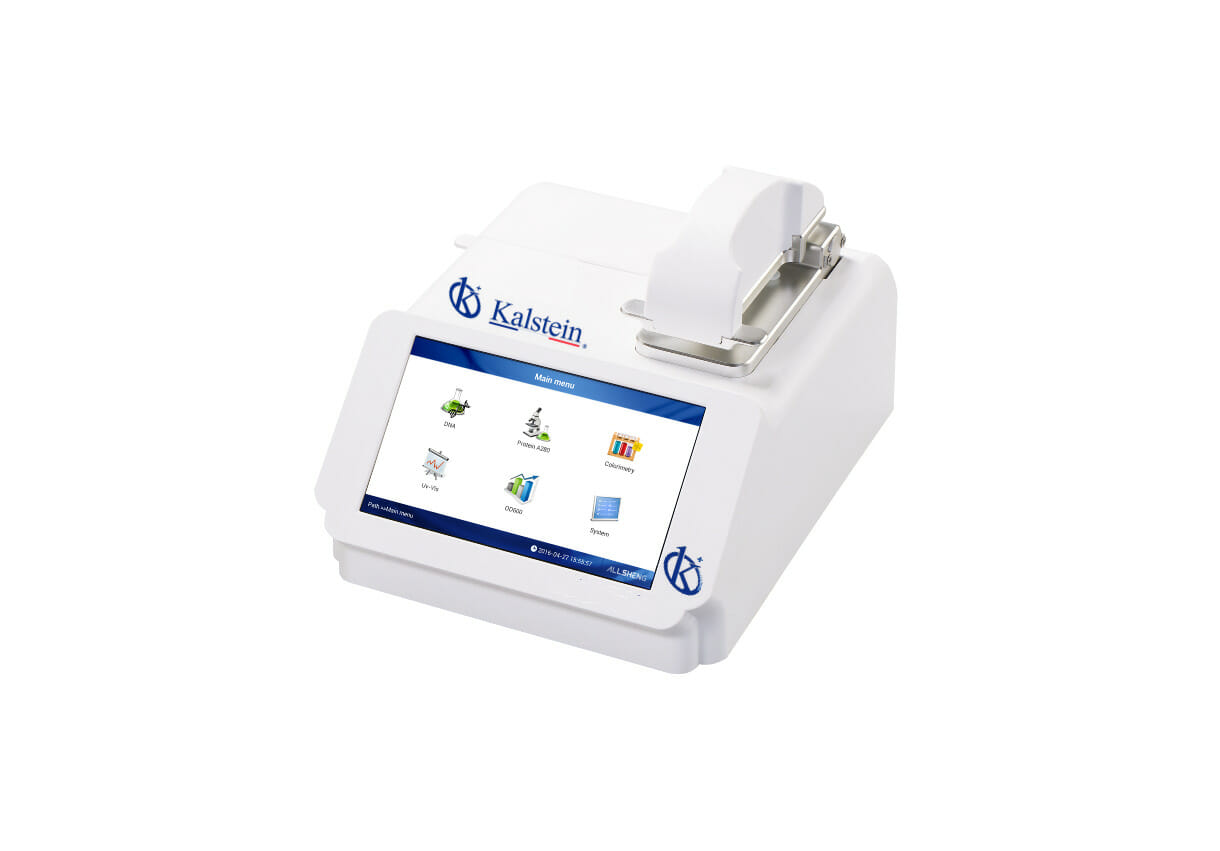
Micro-Spectrophotometers: Practical Applications and Techniques 2026
What is it used for in 2026
Micro-spectrophotometers are crucial instruments in modern laboratories, particularly for professionals engaged in molecular biology, biochemistry, and environmental studies. In 2026, their primary applications include the quantification of nucleic acids (DNA and RNA), protein concentrations, and the analysis of cellular solutions. These instruments utilize minimal sample volumes — typically ranging from 0.5 μl to 2 μl — facilitating rapid and efficient measurements.
History and evolution of the technology
The development of micro-spectrophotometry can be traced back to traditional spectrophotometry, which required larger sample sizes and often involved cumbersome setups. As the need for precision and speed in genetic and protein analyses grew, the technology evolved, leading to the creation of compact, user-friendly micro-spectrophotometers. Recent advancements now include enhanced wavelength ranges, improved detection capabilities, and integrated software systems that streamline data management.
How to use it step by step
Using a micro-spectrophotometer effectively involves several key steps:
- Prepare your sample: Ensure that you have a minimal volume of your solution (between 0.5 to 2 μl) ready for analysis.
- Calibrate the device: Before taking measurements, it’s essential to calibrate the spectrophotometer using appropriate blank samples to set baseline readings.
- Insert the sample: Use the designated sample port to insert your micro-volume solution, ensuring that it is positioned correctly.
- Set parameters: Choose the appropriate wavelength and measurement mode based on the analysis needed (e.g., nucleic acid or protein detection).
- Conduct the measurement: Initiate the measurement process and wait for the results, typically available within seconds.
- Analyze the data: Review and interpret the results displayed on the device's screen, and export the data if necessary.
Best techniques and protocols
Adopting standardized techniques and protocols is vital for obtaining accurate and reproducible results. Key best practices include:
- Utilizing appropriate blank samples for calibration to mitigate background noise.
- Ensuring consistent sample preparation methods to avoid variations in concentration.
- Regular maintenance of the device, including cleaning the optical components to prevent contamination.
- Adhering to established protocols for different types of analyses to enhance reliability.
Practical applications by laboratory type
Different laboratory environments leverage micro-spectrophotometers for diverse applications:
- Biological research labs: Commonly used for nucleic acid quantification and purity assessment.
- Clinical diagnostics labs: Employed in the analysis of proteins and other biomolecules for disease detection.
- Environmental testing labs: Useful for analyzing water samples to detect contaminants.
Regulations, standards and certifications
Micro-spectrophotometers must comply with various regulations and standards to ensure reliable performance. These include:
- ISO 9001 for quality management systems.
- ISO/IEC 17025 for testing and calibration laboratories.
- Good Laboratory Practice (GLP) guidelines to ensure integrity in laboratory processes.
Comparison with alternative technologies
While micro-spectrophotometers are highly effective, they are not the only option for molecular analysis. Other technologies include:
- Conventional spectrophotometers: Require larger sample volumes and can be less efficient for micro-sample analysis.
- Fluorometers: Provide high sensitivity but may require specific dyes and are not suitable for all samples.
- Capillary electrophoresis: Excellent for separating molecules but typically more complex and time-consuming.
Comparison of available models
| Model | Best for | Key specs | Recommended use case |
|---|---|---|---|
| YR06033-1 | Nucleic acids and protein detection | Wavelength: 200-800 nm Sample size: 0.5-2.0 μl Detection range: 2-4500 ng/μl | Rapid analysis of various biomolecules |
| YR06034 | Simple DNA and RNA quantification | Wavelength: 260 nm, 280 nm Sample size: 1-2.0 μl Detection range: 10-2500 ng/μl | Basic nucleic acid analysis |
| YR06035 | Advanced UV VIS analysis | Wavelength: 200-800 nm Sample size: 0.5-2.0 μl Detection range: 2-15000 ng/μl | Comprehensive analysis across multiple applications |
| YR06033 | Precision measurement of biomolecules | Wavelength: 190-1100nm Sample size: 1μl Detection limit: 2 ng/μl | High-accuracy applications in molecular biology |
Common mistakes and how to avoid them
To ensure accurate results, avoid the following common mistakes:
- Not calibrating the instrument properly before use.
- Using contaminated or improperly prepared samples.
- Failing to use appropriate blanks for calibration.
- Neglecting regular maintenance and cleaning of the device.
Maintenance, calibration and good practices 2026
Regular maintenance and calibration are essential for optimal performance. Key practices include:
- Cleaning the optical components routinely to prevent buildup.
- Calibrating the device with fresh blanks before each use.
- Storing the equipment in a clean, controlled environment to avoid dust and contamination.
Cost-benefit analysis 2026
When considering a micro-spectrophotometer, evaluate the cost in relation to productivity gains and data accuracy. The initial investment in high-quality models often leads to significant time savings and better research outcomes, justifying the expense in a laboratory setting.
Frequently asked questions
What should I consider when choosing a micro-spectrophotometer?
Consider factors such as the wavelength range, detection sensitivity, and sample volume requirements. Ensure the model fits your specific laboratory applications.
How often should I calibrate my micro-spectrophotometer?
Calibration should be performed regularly, ideally before every use or whenever you notice discrepancies in results.
Can I use a micro-spectrophotometer for protein analysis?
Yes, micro-spectrophotometers are suitable for protein analysis, particularly when measuring concentration and purity.
What types of samples can I analyze with these devices?
You can analyze various samples, including DNA, RNA, proteins, and other cellular solutions.
How can I ensure accurate measurements?
Use proper calibration procedures, avoid sample contamination, and maintain the device regularly for best results.
What is the benefit of using a micro-spectrophotometer over traditional spectrophotometers?
The main benefit is the significantly reduced sample volume required for analysis, along with faster measurement times and increased portability.
Where can I get a quote for purchasing a micro-spectrophotometer?
For a personalized quote, feel free to request one through our channels for a detailed pricing structure tailored to your needs.
If you are looking for a fusion of innovation and quality, you have come to the right place. At Kalstein, we offer you the luxury of exploring our exclusive catalog of laboratory equipment. We manufacture every device to the highest standards of excellence. Our intuitive and seamless online purchasing channels are designed for your convenience, securing the most competitive prices. Hesitate no longer — we bring science to life, it is time to become part of our community.