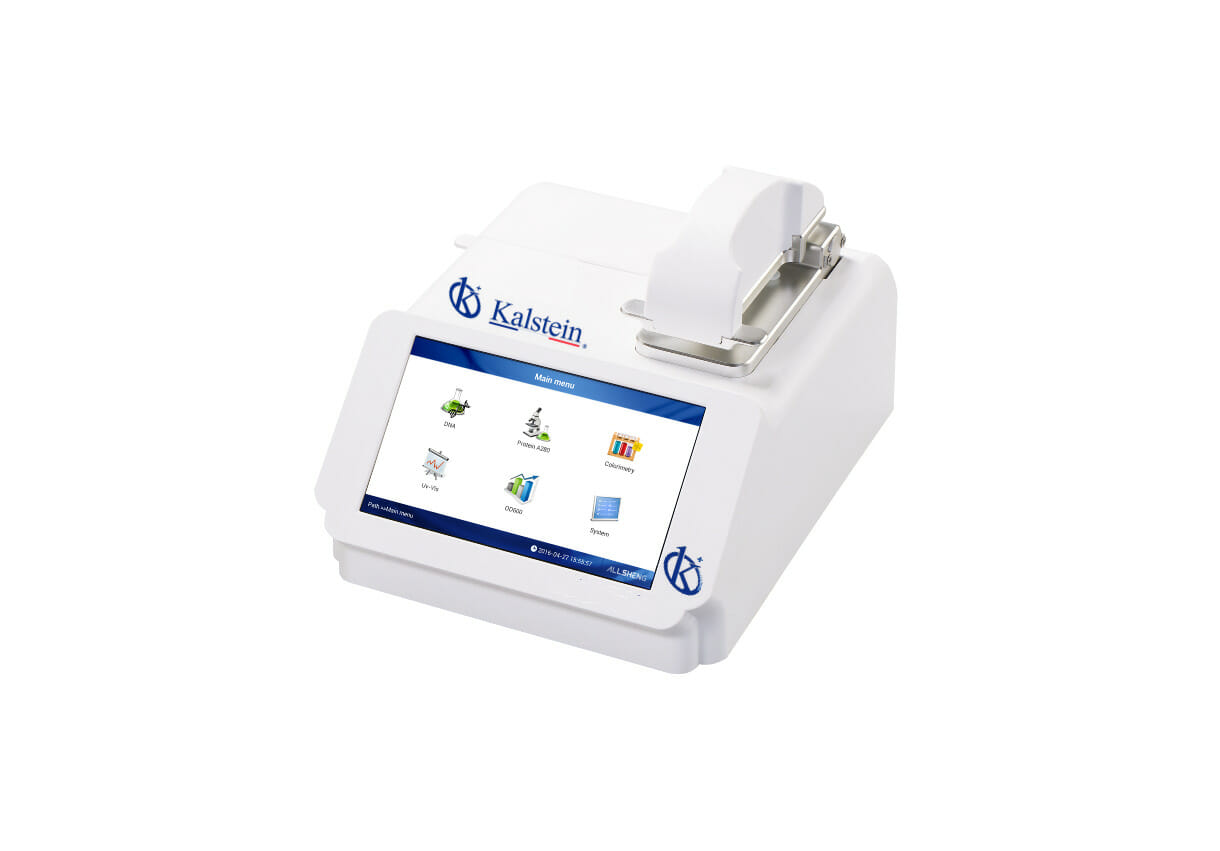
Micro-Spectrophotometers in University Research: Applications and Benefits
Micro-spectrophotometers are invaluable tools in university laboratories, facilitating a range of applications from DNA quantification to the study of proteins. By providing precise measurements with minimal sample volumes, these instruments have become essential for academic research and projects. In this article, we delve into the various applications of micro-spectrophotometers in university research, comparing different models and highlighting their unique features.
Applications of Micro-Spectrophotometers in University Research
The role of micro-spectrophotometers in university research is multifaceted. They serve as critical instruments for measuring nucleic acids, proteins, and cellular samples, which are foundational to many scientific inquiries. With their ability to analyze small specimen volumes, these devices cater to the demands of various academic disciplines, including biology, biochemistry, and environmental science.
1. DNA Quantification
Micro-spectrophotometers are commonly used for quantifying DNA in molecular biology studies. Their sensitivity allows researchers to accurately measure low concentrations of DNA, which is crucial for downstream applications like PCR, cloning, and sequencing.
2. Protein Analysis
In biochemistry, these instruments are employed to assess protein concentration and purity. The ability to analyze small sample sizes reduces the amount of valuable reagents needed, making experiments more cost-effective and sustainable.
3. Cell Culture Monitoring
Micro-spectrophotometers can also monitor cell cultures by measuring optical density, which correlates with cell growth and viability. This application is particularly relevant in microbiology and biotechnology research.
4. Environmental Applications
Researchers in environmental science utilize micro-spectrophotometers to analyze pollutants and nutrient levels in water and soil samples, contributing to studies on ecology and sustainability.
Comparison of Available Models
| Model Code | Price (USD) | Wavelength Range (nm) | Minimum Sample Size (μl) | Best For |
|---|---|---|---|---|
| YR06033-1 | 5040.00 | 200-800 | 0.5-2.0 | DNA and protein quantification |
| YR06034 | 2520.00 | 260, 280 | 1-2 | Basic nucleic acid analysis |
| YR06035 | 6090.00 | 200-800 | 0.5-2.0 | Advanced research applications |
| YR06033 | 7500.00 | 190-1100 | 1 | Comprehensive analysis across disciplines |
Common Mistakes and How to Avoid Them
When using micro-spectrophotometers, researchers often encounter pitfalls that can lead to inaccurate results. Here are some common mistakes and tips to avoid them:
1. Incorrect Sample Volume
Always adhere to the specified minimum sample volume for each model. For instance, the YR06034 requires 1-2 μl for optimal measurements, while the YR06033-1 is effective with just 0.5 μl.
2. Not Calibrating Regularly
Regular calibration is crucial to maintain accuracy. Ensure that instruments are calibrated according to the manufacturer's guidelines, helping to avoid discrepancies in results.
3. Using Improper Cleaning Techniques
Improper cleaning can lead to cross-contamination. Always follow the recommended cleaning procedures for each micro-spectrophotometer model to mitigate this risk.
Frequently Asked Questions
What are the advantages of using micro-spectrophotometers in university research projects?
Micro-spectrophotometers provide high sensitivity and low sample volume requirements, making them ideal for university research. For instance, the YR06035 offers a wavelength range of 200-800 nm, allowing for versatile analyses across various scientific fields.
How does the YR06034 model compare to others for nucleic acid analysis?
The YR06034 is specifically designed for nucleic acid quantification, requiring only 1-2 μl of sample. This makes it more efficient for projects focusing on DNA and RNA purity assessments compared to other models in its category.
Which micro-spectrophotometer is best for monitoring bacterial growth?
The YR06033-1 includes a function for measuring bacterial concentration, making it suitable for microbiological studies. Its rapid measurement capabilities allow researchers to efficiently track growth trends in cultures.
What is the role of micro-spectrophotometers in environmental science research?
Micro-spectrophotometers like the YR06035 can analyze environmental samples for pollutants, enhancing research in ecology. Their precision in detecting low concentrations is critical for studies related to sustainability and environmental impact.
How do I choose the right micro-spectrophotometer for my laboratory?
Consider factors like the wavelength range, sample volume requirements, and specific applications when selecting a model. For instance, the YR06033 is versatile for various disciplines, making it a great choice for labs with diverse research needs.
What maintenance is required for micro-spectrophotometers?
Regular maintenance includes calibration, cleaning the optical components, and ensuring proper storage conditions. Following the guidelines laid out in the user manual of models like the YR06034 aids in maintaining optimal performance.
Can micro-spectrophotometers aid in grant applications for academic research?
Yes, having advanced equipment like micro-spectrophotometers can enhance the quality of research proposals, demonstrating the capability for high-precision measurements. Models such as the YR06035 can provide data that supports grant applications focused on innovative research.
What are the cost implications of using micro-spectrophotometers for university research?
While the initial investment for models like the YR06033 can be significant, the reduced sample volume and increased accuracy lead to cost savings in reagents and improved research outcomes, justifying the expense over time.
If you are looking for a fusion of innovation and quality, you have come to the right place. At Kalstein, we offer you the luxury of exploring our exclusive catalog of laboratory equipment. We manufacture every device to the highest standards of excellence. Our intuitive and seamless online purchasing channels are designed for your convenience, securing the most competitive prices. Hesitate no longer — we bring science to life, it is time to become part of our community.