Microscopes
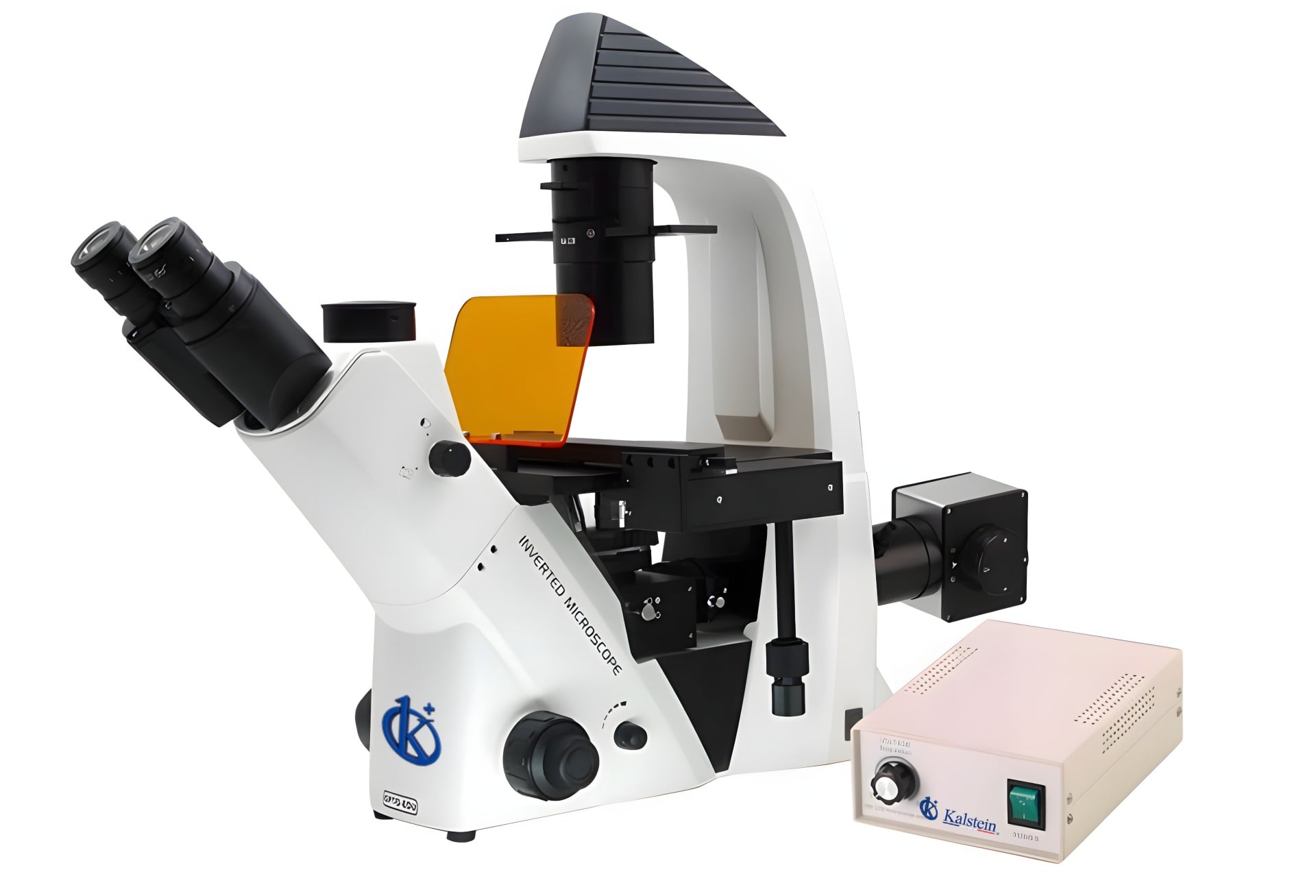
Microscopes are essential tools in laboratories, enabling scientists to observe specimens at a cellular level and beyond. With various types available, choosing the right microscope can significantly impact research quality and outcomes.
Whether for educational purposes, medical diagnostics, or advanced scientific research, understanding the features and capabilities of microscopes is crucial for effective usage and investment.
What you should know before selecting a microscopes and making an investment
Key factors to consider
When selecting a microscope, consider its magnification power, optical quality, and illumination type. These factors determine the clarity and detail of the images you will capture, which is vital for accurate analysis in laboratory settings.
Additionally, assess the microscope's compatibility with various accessories and its ease of use, as these will affect its functionality in your specific applications.
Market price range
The price of microscopes can vary widely based on their features and specifications. Basic models can start from a few hundred dollars, while advanced or specialized microscopes may cost several thousand dollars. Understanding your budget and requirements is essential.
Investing in a higher-quality microscope may offer better performance and longevity, making it a more cost-effective option in the long run.
Value for money
Evaluating the features against the price is crucial to ensure value for money when purchasing a microscope. Look for models that offer a good balance between quality, functionality, and cost.
Consider long-term benefits, such as durability and support, which can enhance the overall value of your investment in laboratory equipment.
Expected lifespan based on use and maintenance
The lifespan of a microscope largely depends on its usage and maintenance. Well-maintained microscopes can last for years, making them a worthwhile investment. Regular cleaning and proper storage are key to prolonging their functionality.
Additionally, consider the manufacturer's reputation for quality and service, which can also influence the longevity of the equipment you choose.
MICROSCOPES KALSTEIN
Discover microscopes for your laboratory
Explore our range of high-quality microscopes designed for various laboratory applications. Each model is crafted to meet the rigorous demands of scientific research and education.
YR06652 Trinocular Inverted LED Fluorescent Microscope
The YR06652 Trinocular Inverted LED Fluorescence Microscope is a professional solution designed for laboratories that require advanced observation of
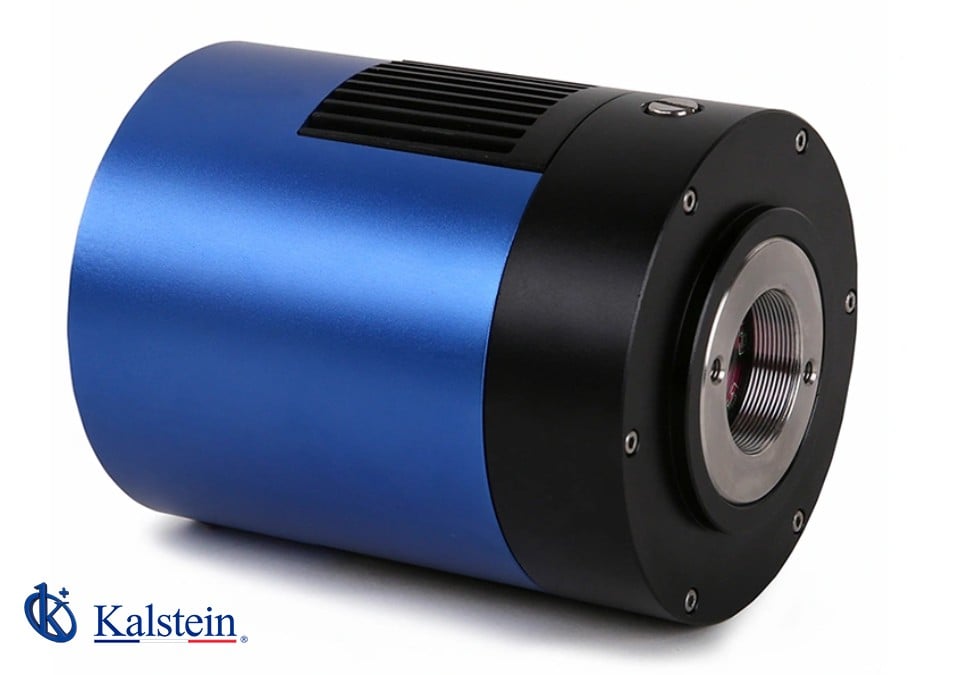
View productUSB 3.0 CMOS-cooled digital camera, fluorescent image, GS YR06651 shutter
The YR06651 USB 3.0 CMOS Cooled Digital Camera is an advanced scientific imaging solution designed for demanding applications in fluorescence microsco
View productBiological Microscope YR06685
The YR06685 is a precision binocular biological microscope designed to provide a reliable and accessible observation solution. Ideal for educational e
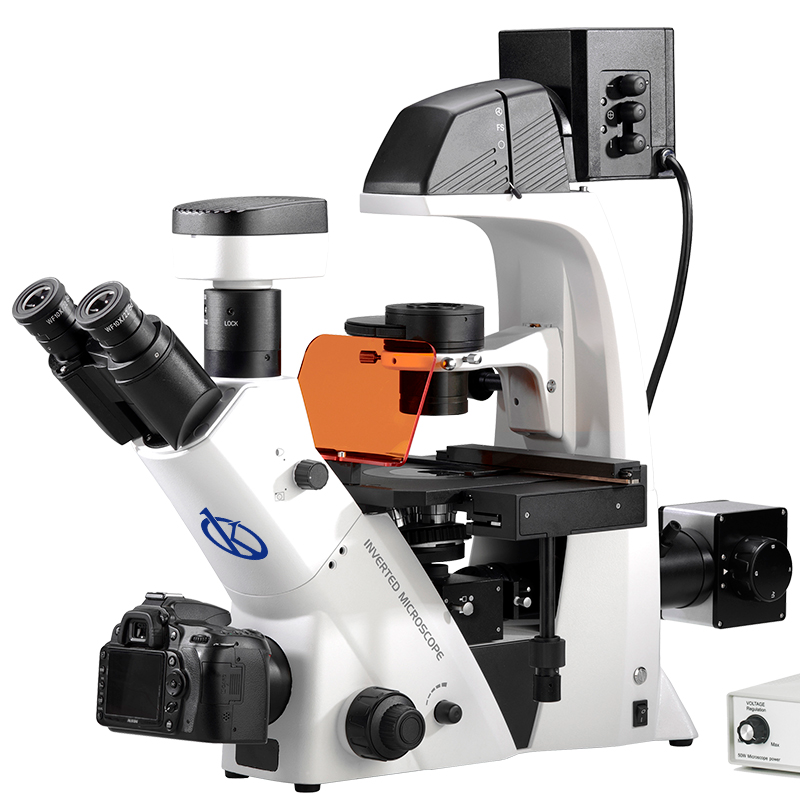
View productInverted LED Fluorescent Microscope YR05791 - YR05792
The Inverted LED Fluorescent Microscope YR05791 - YR05792 offers a cutting-edge optical experience with its Seidentopf trinocular head inclined at 45°
View productOur best-selling microscopes
Biological Microscope YR06685
Design and Technology (or Functionality)
This microscope integrates modern technology with its DC USB adapter power supply, offering great versatility of use even with portable power sources. It is equipped with an efficient LED lighting system that guarantees clear light with low energy consumption. Its design includes a binocular head inclined at 30° and rotatable 360°, facilitating the sharing of observations without moving the instrument. The focusing system is managed by a coaxial coarse and fine control, complemented by a safety limit screw to protect both samples and objectives.Frequently Asked Questions (FAQ)
- What type of optics does this microscope use? It uses an achromatic optical system that minimizes color aberrations for clear and precise images.
- Is the microscope head adjustable? Yes, the binocular head can rotate 360 degrees for greater user comfort.
- How does the USB power supply work? The microscope connects via a standard USB adapter, allowing it to be easily powered through a wall outlet or even a computer.
Advantages and Disadvantages
Advantages:- Ergonomics: 30° inclined head for a natural working posture.
- Precision: High-precision fine focusing thanks to the coaxial system.
- Safety: Includes a limit screw to prevent the breakage of slides.
- Capacity: Nosepiece limited to 3 objectives (3 holes).
- Specificity: Designed primarily for Brightfield (BF).
Field Use and Recommendations
The YR06685 microscope is especially recommended for high schools, universities, and small veterinary clinics. Thanks to its 2-layer mechanical stage, it allows for precise manipulation of samples during the study of tissues or cells. For maximum longevity, it is advised to clean the achromatic objectives with optical paper after each use and disconnect the USB adapter when the equipment is not in operation.Technical Specifications
| Specification | YR06685 |
| Optical System | Achromatic |
| Head Type | Sliding Binocular |
| Head Inclination | 30° |
| Head Rotation | 360° Rotatable |
| Eyepiece Diameter | 23.2 mm |
| Nosepiece | 3 Holes (Exterior) |
| Objective Type | Achromatic |
| Working Stage Type | 2 Layer Mechanical |
| Focus Type | Coaxial Coarse and Fine |
| Focus Functions | Safety Limit Screw |
| Condenser Characteristics | Filter Holder, Iris Diaphragm, Spiral |
| Light Source Type | LED |
| Power Supply Type | DC USB Adapter |
| Standard Function | BF (Brightfield) |
| New Year Product | 2021 |
| Dimensions | 380 x 250 x 190 mm |
| Net Weight | 4.5 kg |
Detailed analysis of microscopes for an effective and safe choice
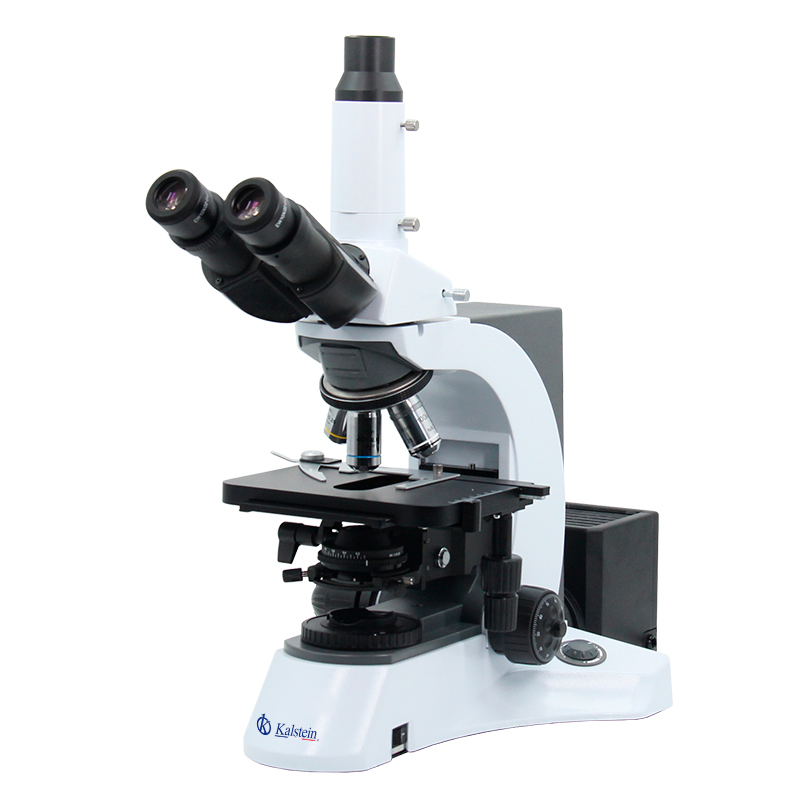
Advanced Lab Microscopes: Trinocular Laboratory Microscope YR0231 vs. OM36-B Laboratory Microscope
In the realm of laboratory equipment, two products stand out for their advanced features and reliable performance: the Trinocular Laboratory Microscope YR0231 from Kalstein and the OM36-B Laboratory Microscope from Omano. As essential tools for scientific research, these microscopes offer unique benefits that cater to different scientific needs. In this article, we examine these products in depth
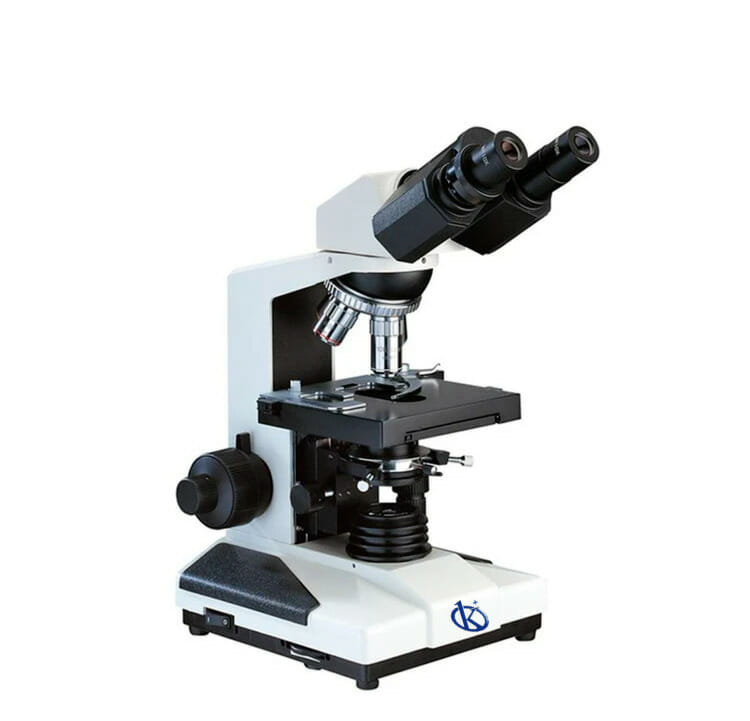
High-Definition Microscopes for Precise Scientific Research
The quality and precision of microscopes are crucial for the advancement of scientific research. Based on my personal experience with various types of microscopes, I can confidently say that high-definition microscopes, like those offered by Kalstein, have made a significant difference in modern laboratories.
Advanced Optical Microscopes for Precision Scientific Research
Scientific research requires precision and clarity in every observation, and when it comes to optical microscopes, every detail is crucial. Technological advances have taken these devices to a higher level, improving image quality and facilitating the work of those who depend on them.
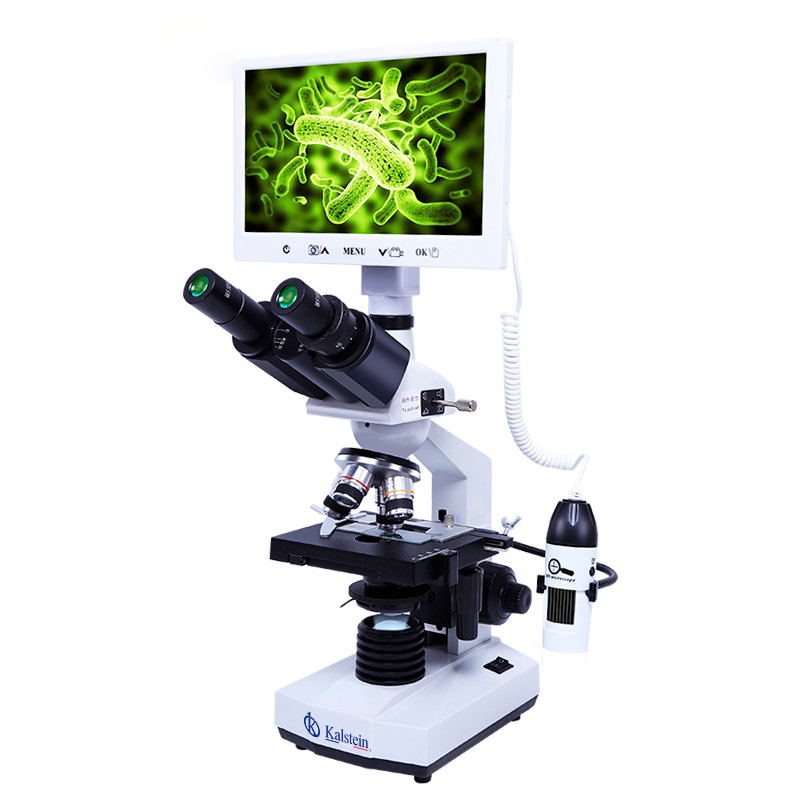
The Impact of Microscopes on Discovery and Progress
Since their invention in the 16th century, microscopes have revolutionised the field of science, enabling researchers to explore the invisible world to the naked eye and make astonishing discoveries. Nowadays, technological advances have led to the creation of increasingly sophisticated and powerful microscopes, capable of revealing details at a molecular and atomic level. In this article, we will explore how microscopes have changed science and have been fundamental in advancing humanity in various fields.
microscopes offer catalog
Guides about microscopes
Complete guides to choose microscopes
Looking Beyond with Next-Generation Microscopes
The exploration and discovery possibilities that next-generation microscopes provide are vast. These devices represent the pinnacle of microscopy technology, offering unprecedented clarity, precision, and definition. They are not only used
Leer más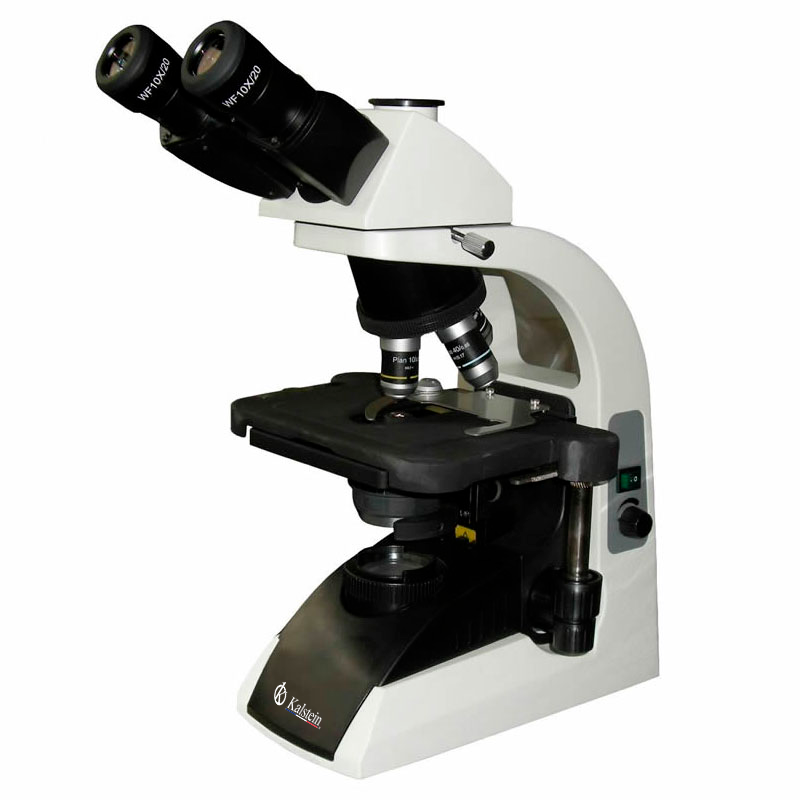
What are the different types of optical microscopes?
Optical microscopes are useful instruments that are integrated into basic science, research, chemical industry, food manufacturing, medicine, etc. These microscopes are basically used to see very small objects, like microbes, fungi, bacteri
Leer más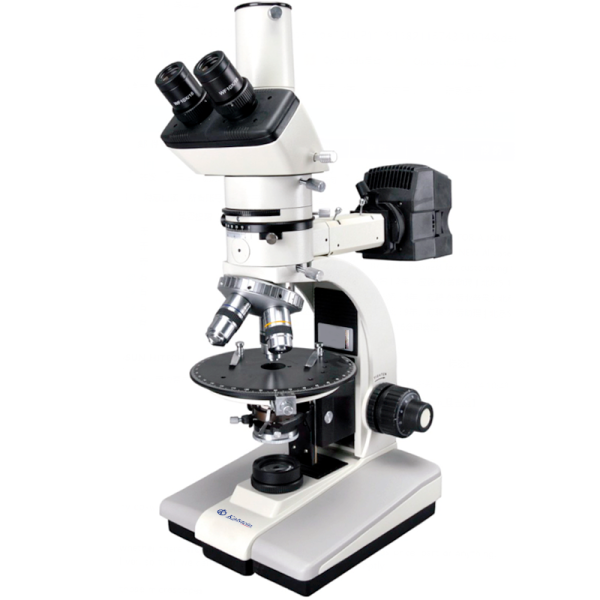
What kind of lens is used in optical microscopes?
Optical microscopes are an essential tool in many branches of science, from medicine, biology, biochemistry, to molecular research. These devices are used to examine microscopic objects using visible light, and their main component is the b
Leer más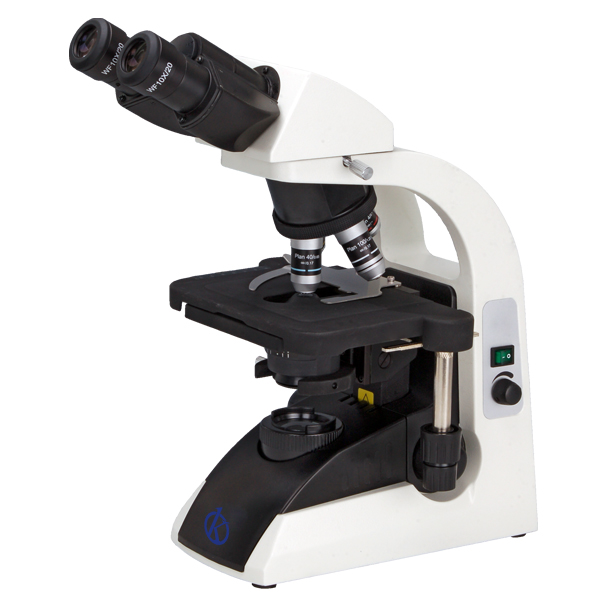
Types of microscopes for laboratory and field
The microscope is an instrument that allows observing elements or structures that can not be observed at the naked eye, through lenses, viewers and light rays, which bring or enlarge the image on scales suitable for examination and subseque
Leer másFrequently asked questions about Microscopes
How to know the prices of Microscopes?
To know the price of Microscopes, please send us an email with your request through the contact form AQUI.
What are the delivery times for Microscopes?
Delivery time depends on stock availability and freight type (air or sea). In stock: air 15-30 days, sea 45-60 days. Out of stock: air 30-60 days, sea 60-90 days.
How to make a purchase of Microscopes?
You can buy by email ([email protected]), phone (+33 (0) 1 70 39 26 50) or through the official Kalstein website in your country.
How does the warranty work for Microscopes?
All Kalstein equipment comes with a 1-year warranty against manufacturing defects. The warranty does not cover damage from improper installation or misuse. See our «terms and conditions» AQUI.
Can I request a quote online for Microscopes?
Yes, you can request a quote for the Kalstein equipment you are interested in directly from our official website. Click AQUI.