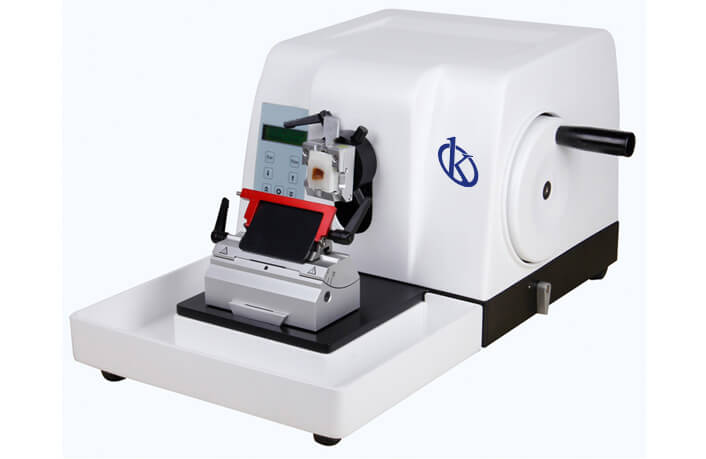
How Microtomes Meet ISO/IEC Regulations in Laboratory Settings
Microtomes are essential instruments in histology and pathology laboratories, providing high-quality tissue sections for analysis. In the context of regulatory compliance, particularly ISO/IEC standards, understanding how various microtome models support these requirements is crucial. This article explores multiple microtome models, their unique features, and their alignment with ISO/IEC standards, ensuring that laboratory professionals are well-informed to make decisions that enhance both compliance and operational efficiency.
Importance of ISO/IEC Compliance in Microtome Use
The ISO/IEC 17025 standard specifies the requirements for the competence of testing and calibration laboratories. Compliance with these regulations is critical to ensure the accuracy and reliability of laboratory results. Microtomes, as precision instruments, must meet specific criteria related to performance, traceability, and quality control. By understanding how different models align with these standards, laboratories can ensure compliance and enhance their operational workflows.
Key ISO/IEC Standards Relevant to Microtomes
Several ISO/IEC standards apply to laboratory equipment, including ISO/IEC 17025, which outlines quality management systems, and ISO 15189, which focuses on the quality and competence of medical laboratories. Each microtome model can be evaluated against these standards based on its specifications, reliability, and usability.
Comparison of Available Models
| Model | ISO/IEC Clauses Covered | Traceability Features | Best For |
|---|---|---|---|
| YR417-1 | ISO 17025 | Precision cutting specifications | General histology |
| YR416 | ISO 15189, ISO 17025 | High reproducibility | High-demand environments |
| YR417 | ISO 17025 | Quality sectioning performance | Research laboratories |
| YR420 | ISO 17025 | Stable performance metrics | Histopathological labs |
| YR421 | ISO 17025 | Consistent cutting quality | General laboratory use |
| YR422 | ISO 17025 | User safety alerts | Pathological labs |
Common Mistakes and How to Avoid Them
Laboratories often fall short in compliance due to inadequate training on microtome operation and maintenance. A frequent mistake includes neglecting regular calibration and maintenance checks, which are essential for ISO/IEC compliance. Ensuring that all personnel are trained and that protocols for regular checks are established can mitigate these issues.
Microtome Model Performance Against ISO/IEC Standards
When selecting a microtome, consider its specifications and how they align with ISO/IEC regulations. For instance, the YR416 model excels in producing high-quality sections, essential for ISO 15189 compliance in medical laboratories. This model provides superior stability and reproducibility, ensuring that each section meets the necessary standards.
Operational Efficiency Through Compliance
Choosing a microtome that meets ISO/IEC standards is not only about compliance but also about operational efficiency. Models like the YR420 are designed for stable performance, reducing the potential for errors that could jeopardize compliance. This correlation between compliant equipment and efficient laboratory operations highlights the importance of investing in high-quality microtomes.
Documentation and Traceability in Microtome Use
Documentation is a key requirement of ISO/IEC standards, ensuring traceability of results. Each microtome model should have features that support documentation processes, such as built-in logging of cutting parameters. The YR417 model, for example, provides options for detailed performance logging, which can be crucial during audits.
Frequently Asked Questions
What are the ISO/IEC regulations that microtomes must comply with?
Microtomes must comply with ISO/IEC 17025, which covers general requirements, including quality management and operational competence. Models like the YR416 and YR420 are designed to meet these high standards, ensuring reliable performance in laboratory settings.
How can I ensure my microtome is compliant with ISO/IEC 17025?
To ensure compliance with ISO/IEC 17025, regularly calibrate and maintain your microtome, such as the YR417-1 model, and keep detailed records of all procedures and outcomes to provide evidence during audits.
Which microtome is best for high-demand laboratory environments?
The YR416 microtome is ideal for high-demand laboratory environments as it offers exceptional reliability and precision, making it suitable for adhering to ISO 15189 standards.
How do microtome specifications impact laboratory compliance?
Microtome specifications, such as the cutting precision provided by the YR421, directly impact laboratory compliance by ensuring that the sections produced meet the quality required by regulations like ISO/IEC 17025.
What maintenance practices enhance microtome compliance with ISO standards?
Regular cleaning, calibration, and performance checks are maintenance practices that enhance microtome compliance. For instance, the YR422 model boasts features that facilitate easy maintenance, ensuring consistent adherence to ISO standards.
How does operator training affect compliance in microtome usage?
Operator training is crucial for compliance in microtome usage. Properly trained personnel are less likely to make errors that could lead to non-compliance with ISO/IEC regulations, ensuring reliable outcomes from instruments like the YR420.
What role does traceability play in ISO 17025 compliance for microtomes?
Traceability is essential for ISO 17025 compliance as it tracks the performance and calibration of microtomes. Models like the YR417 provide excellent traceability features, which help maintain compliance and quality assurance.
Which microtome features support safety and compliance in laboratories?
Microtomes with safety features, such as the YR422's alarm system, support laboratory compliance by ensuring that potential hazards are monitored effectively, contributing to a safe working environment.
If you are looking for a fusion of innovation and quality, you have come to the right place. At Kalstein, we offer you the luxury of exploring our exclusive catalog of laboratory equipment. We manufacture every device to the highest standards of excellence. Our intuitive and seamless online purchasing channels are designed for your convenience, securing the most competitive prices. Hesitate no longer — we bring science to life, it is time to become part of our community.