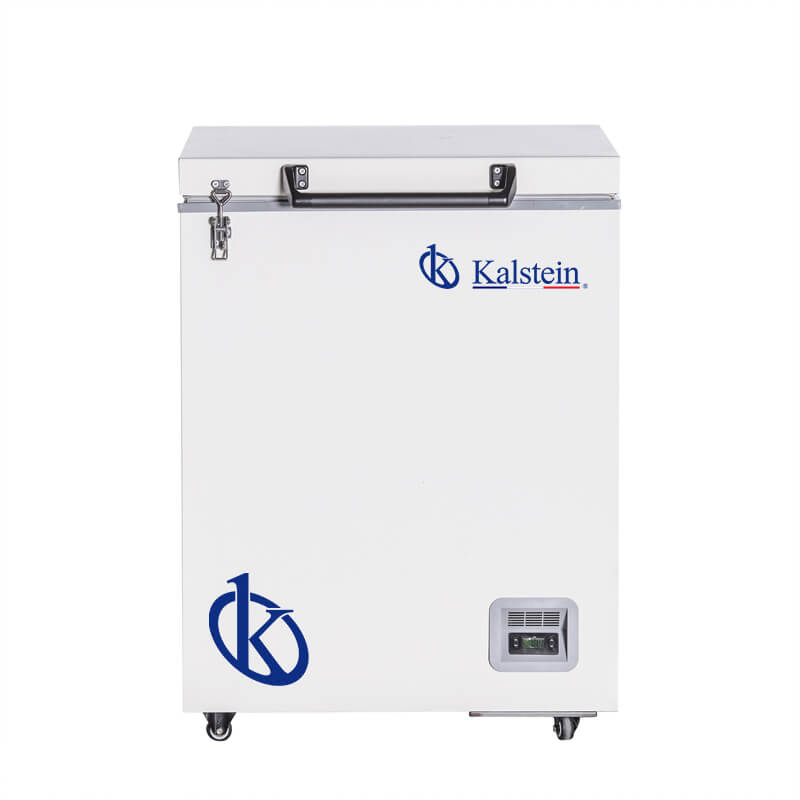
Miniaturization and Portability in Chest Freezers for Field Laboratories
In today’s fast-evolving scientific landscape, the need for portable and compact laboratory equipment has become crucial. Laboratory professionals are increasingly operating in diverse environments, from remote field sites to urban hospitals. As such, chest freezers that combine miniaturization with high efficiency are essential for preserving samples in various conditions. This article explores the advancements in chest freezers designed specifically for field laboratories, focusing on the importance of portability and miniaturized designs.
Importance of Miniaturization and Portability in Chest Freezers
Miniaturization in laboratory equipment, particularly in chest freezers, allows for increased flexibility and adaptability in various environments. Portable chest freezers are designed to maintain optimal temperatures for sensitive samples such as biological specimens or vaccines, making them indispensable in field laboratories. The ability to transport equipment easily also enhances the efficiency of laboratory operations, enabling field researchers to work in diverse settings without compromising on the integrity of their samples.
Comparison of Available Models
| Model | Temperature Range (°C) | Capacity (L) | Power Consumption (kWh/24h) | Price (USD) |
|---|---|---|---|---|
| YR05102 | -10 to -40 | Unknown | 1.65 | 450.00 |
| YR05103 | -10 to -40 | Unknown | 1.68 | 885.00 |
| YR05104 | -20 to -40 | Unknown | 3.45 | 1100.00 |
| YR05314 | -40 to -86 | 485 | 11.5 | 3150.00 |
| YR05313 | -40 to -86 | 105 | 3.8 | 1825.00 |
| YR05315 | -25 to -60 | Unknown | 3.2 | 1150.00 |
Technological Advancements in Chest Freezers
Modern chest freezers are equipped with advanced microprocessor controls, allowing precise temperature regulation. For instance, models like the YR05102 and YR05103 provide adjustable temperature ranges from -10 °C to -40 °C. These capabilities are paramount for maintaining the integrity of sensitive samples, particularly when field conditions fluctuate. Moreover, the integration of energy-efficient cooling technologies minimizes operating costs and environmental impact, making these freezers suitable for eco-conscious laboratories.
Field Deployment Considerations
When selecting a chest freezer for field deployment, several factors must be considered, including weight, dimensions, and durability. Equipment like the YR05314 is designed to be robust yet portable, with features such as silicone door seals that enhance thermal insulation. The ability to operate in environments with variable temperatures (10 to 32°C) further adds to its versatility. This is particularly beneficial for research teams working in remote or harsh conditions.
Common Mistakes and How to Avoid Them
One common mistake when selecting chest freezers is overlooking power consumption and efficiency ratings. For example, while the YR05314 offers extensive capacity, it also has a higher power usage (11.5 kWh/24h) compared to smaller models. Additionally, neglecting to assess the temperature range suitable for specific applications can lead to sample degradation. It's crucial to align the freezer's specifications with the laboratory's operational needs to ensure optimal performance.
Energy Consumption and Sustainability
As sustainability becomes increasingly important in laboratory practices, the energy efficiency of chest freezers emerges as a critical factor. Models like the YR05102 and YR05103 are designed to minimize energy consumption while maintaining low temperatures. An understanding of the energy requirements (measured in kWh) helps laboratories calculate operational costs. For instance, the YR05103 consumes 1.68 kWh/24h, and this efficiency can lead to significant savings over time.
Practical Applications of Chest Freezers in Field Labs
Chest freezers find diverse applications in field laboratories, from storing biological samples and vaccines to preserving temperature-sensitive pharmaceuticals. The YR05315, designed for temperatures as low as -60ºC, is particularly suited for storing vaccines that require strict temperature control. Understanding the specific requirements of stored materials helps in selecting the appropriate model for laboratory needs.
Frequently Asked Questions
What are the best chest freezers for field use in laboratories?
The best chest freezers for field use include the YR05314 and YR05315, both designed for extreme temperatures down to -86ºC. These models feature portability and energy efficiency, making them ideal for preserving sensitive materials in diverse environments.
How much energy do chest freezers consume during operation?
Chest freezers can vary in energy consumption. For instance, the YR05314 consumes 11.5 kWh/24h, while the YR05102 uses only 1.65 kWh/24h. Evaluating these metrics can help labs manage operational costs effectively.
Which chest freezer is most suitable for ultra-low temperature applications?
The YR05314 is the most suitable for ultra-low temperature applications with a range of -40 to -86°C. This model is ideal for laboratories needing to store biological samples or vaccines securely.
Are there chest freezers designed for mobile laboratories?
Yes, models like the YR05103 are designed to be compact and portable, making them suitable for mobile laboratories. Their lightweight construction and energy efficiency facilitate easy transport and deployment in the field.
What should I consider when choosing a chest freezer for a field laboratory?
When choosing a chest freezer for a field laboratory, consider factors like temperature range, energy consumption, portability, and durability. Models such as the YR05315 offer the required specifications for demanding environments.
How do chest freezers maintain low temperatures in variable environments?
Chest freezers maintain low temperatures in variable environments through advanced insulation and microprocessor controls. For instance, the YR05314 features excellent thermal insulation and precise temperature monitoring to ensure sample integrity.
What are the key specifications to look for in chest freezers?
Key specifications to look for in chest freezers include temperature range, energy efficiency, capacity, and safety features. The YR05104, for example, offers advanced safety alarms in addition to a robust cooling system.
Which chest freezer model is the most energy-efficient?
The YR05102 is among the most energy-efficient models, using only 1.65 kWh/24h. This low energy consumption makes it a cost-effective option for laboratories seeking to minimize operational costs.
If you are looking for a fusion of innovation and quality, you have come to the right place. At Kalstein, we offer you the luxury of exploring our exclusive catalog of laboratory equipment. We manufacture every device to the highest standards of excellence. Our intuitive and seamless online purchasing channels are designed for your convenience, securing the most competitive prices. Hesitate no longer — we bring science to life, it is time to become part of our community.