How Miniaturization and Portability are Revolutionizing Field Laboratory Equipment
The evolution of laboratory equipment has increasingly leaned towards miniaturization and portability, especially for field applications. This trend enables researchers and technicians to conduct precise measurements in various environments without compromising on accuracy or reliability. Among the most significant advancements in this area are Digital Salinity Refractometers, which serve as essential tools in diverse fields such as marine biology, agriculture, and environmental monitoring. In this article, we will explore how these innovations are changing the landscape of field laboratory equipment.
Understanding Miniaturization in Laboratory Equipment
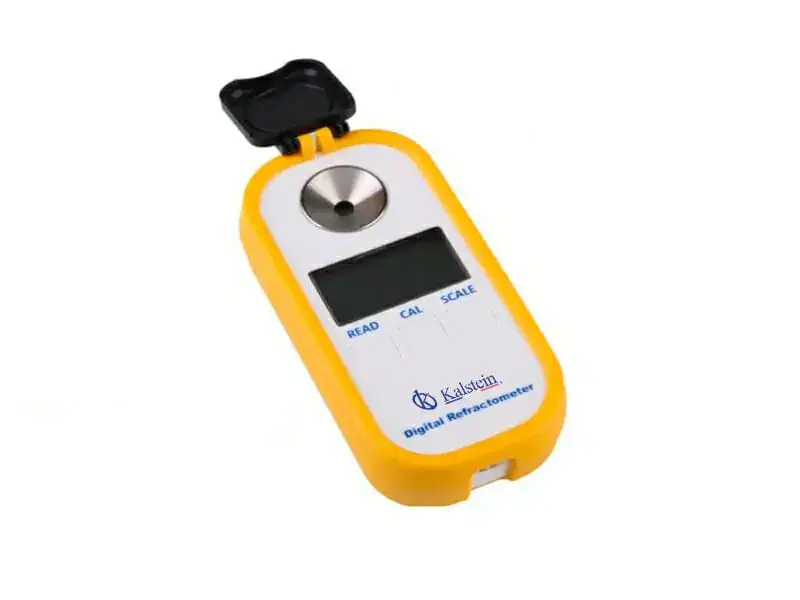
Miniaturization refers to the process of designing smaller, more compact devices without sacrificing functionality. This trend has several benefits, including reduced weight, easier transportation, and the ability to operate in diverse environments. In laboratory settings, miniaturized equipment can facilitate on-site testing, enabling rapid decision-making and increasing efficiency. Digital Salinity Refractometers, for instance, come in portable forms that allow users to measure salinity levels in real-time, which is crucial for applications like water quality testing and agricultural management.
Portability: Essential for Field Applications
Portability is another critical aspect of modern laboratory equipment. As researchers are often required to collect samples from remote locations, having lightweight and compact devices that can be easily transported is essential. Digital Salinity Refractometers are designed with this in mind, featuring ergonomic designs and robust construction that can withstand challenging field conditions. These instruments not only provide immediate readings but also ensure that users can analyze samples without the need for extensive laboratory setups.
Comparative Advantages of Digital Salinity Refractometers
Digital Salinity Refractometers offer superior advantages over traditional analog models, particularly in terms of accuracy and ease of use. With automatic temperature compensation (ATC), these devices can deliver precise measurements even when environmental conditions fluctuate. This feature significantly enhances reliability, especially in field conditions where temperatures may vary widely. Additionally, digital displays provide clear readings, making it easier for users to interpret results quickly.
Comparison of Available Models
| Model Code | Measurement Range | Minimum Division | Accuracy | Automatic Temperature Compensation | Best For |
|---|---|---|---|---|---|
| YR05953 | 0.0-28.0% | 0.10% | ±0.1% | Yes | Saltwater analysis |
| YR05954 | 0-280‰ | 1‰ | ±1‰ | Yes | Environmental monitoring |
| YR05955 | 1.000-1.217 | 0.001 | ±0.002 | Yes | Research applications |
| YR05956 | 1.3330-1.3900nD | 0.0001nD | ±0.0003nD | Yes | Laboratory testing |
| YR05957 | 0-100‰ | 1‰ | ±2‰ | Yes | Aquatic studies |
| YR05958 | 0-57‰ | 1‰ | ±2‰ | Yes | Field testing |
| YR05959 | 1.000-1.070 | 0.001 | ±0.002 | Yes | Density analysis |
| YR05960 | 1.3330-1.3530nD | 0.0001nD | ±0.0003nD | Yes | Specialized testing |
Common Mistakes and How to Avoid Them
When utilizing Digital Salinity Refractometers in field applications, there are several common mistakes that can lead to inaccurate results. One major error is failing to calibrate the device before use; calibration should be performed regularly to ensure consistent accuracy. Additionally, neglecting to account for the temperature of the sample can lead to erroneous readings. Always ensure that the device's ATC feature is functioning correctly, and refer to the manufacturer's guidelines for proper usage.
Frequently Asked Questions
What are the key benefits of using Digital Salinity Refractometers in the field?
Digital Salinity Refractometers, such as the YR05954, provide quick and accurate measurements that are essential for on-site testing. Their lightweight design and automatic temperature compensation enhance usability in various environments, making them ideal for researchers in marine biology and environmental monitoring.
How should I calibrate my Digital Salinity Refractometer for optimal performance?
Calibration of models like the YR05953 should be conducted before each use to ensure accuracy. Use standard solutions to calibrate the device according to the manufacturer's specifications, typically using a saline solution that matches the expected measurement range.
Why is automatic temperature compensation important in Digital Salinity Refractometers?
Automatic temperature compensation (ATC) is essential for models such as the YR05956 because it adjusts the readings based on the sample temperature, ensuring accurate results even in fluctuating conditions. This feature is particularly useful in field settings where environmental temperatures vary widely.
What is the measurement range of the YR05958 Digital Salinity Refractometer?
The YR05958 Digital Salinity Refractometer has a measurement range of 0-57‰. This range makes it suitable for a variety of field applications, including testing salinity levels in aquatic environments and agricultural settings.
How does the YR05955 model compare to traditional analog refractometers?
The YR05955 model offers greater accuracy and ease of use compared to traditional analog refractometers. With digital displays and features like ATC, this model provides immediate and precise readings, which is a significant advantage in field conditions.
What scenarios are best suited for using Digital Salinity Refractometers?
Digital Salinity Refractometers, such as the YR05957, are ideal for scenarios involving water quality testing, agriculture, and environmental monitoring, where quick and reliable salinity measurements are critical for decision-making.
How do I ensure my Digital Salinity Refractometer remains functional in harsh environments?
To ensure longevity and functionality in harsh environments, select models with robust construction, such as the YR05954, which are designed to withstand challenging conditions. Regular cleaning and maintenance also contribute to the device's durability.
Conclusion
The advancements in miniaturization and portability have transformed the capabilities and applications of Digital Salinity Refractometers in field laboratories. These devices offer precision, ease of use, and adaptability, making them indispensable tools for various scientific fields. As laboratory professionals continue to face challenges in different environments, investing in portable and reliable equipment like Digital Salinity Refractometers is essential for ensuring accurate measurements and informed decision-making.
If you are looking for a fusion of innovation and quality, you have come to the right place. At Kalstein, we offer you the luxury of exploring our exclusive catalog of laboratory equipment. We manufacture every device to the highest standards of excellence. Our intuitive and seamless online purchasing channels are designed for your convenience, securing the most competitive prices. Hesitate no longer — we bring science to life, it is time to become part of our community.