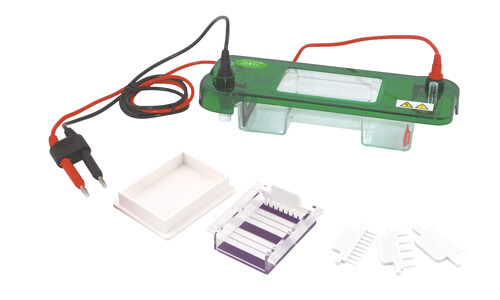
Miniaturization and Portability of Horizontal Electrophoresis Systems
As laboratory environments evolve, the demand for more portable and compact equipment has surged, especially in fields requiring sophisticated analytical techniques such as electrophoresis. This article delves into how advancements in miniaturization and portability are transforming horizontal electrophoresis systems, providing field laboratories with versatile solutions that meet their dynamic needs.
Understanding the Necessity of Miniaturization in Electrophoresis
The trend towards miniaturization in laboratory equipment is driven by several factors, including the need for efficient space utilization, cost reduction, and enhanced mobility for field experiments. In horizontal electrophoresis, where traditional setups can be bulky and cumbersome, miniaturized systems can facilitate quick deployments in remote or resource-limited environments.
Horizontal electrophoresis systems are essential for separating nucleic acids and proteins in various applications, from clinical diagnostics to environmental monitoring. By minimizing the footprint and weight of these systems, laboratories can optimize their workflows, especially in field settings where resources may be constrained.
Current Trends in Portability of Horizontal Electrophoresis Systems
Portability in laboratory equipment refers not only to the size and weight but also to the functionality that allows these devices to be used in varying environments. Modern horizontal electrophoresis systems are increasingly designed with features that support portability, such as battery-operated components, ruggedized frames, and user-friendly interfaces. These enhancements allow researchers to perform experiments in challenging conditions without sacrificing performance.
Popular models, such as the Horizontal Electrophoresis Cell YR03415 and YR03420, demonstrate how manufacturers are addressing the needs for both portability and efficiency. These models provide flexible configurations and can easily be transported without compromising the quality of analyses.
Exploring Key Specifications for Miniaturized Horizontal Electrophoresis Systems
A comprehensive understanding of the specifications that define a miniaturized horizontal electrophoresis system is crucial for laboratory professionals. Key specifications include gel size, sample volume, buffer volume, net weight, and overall dimensions. For instance, the YR03415 model offers a compact size of 250 x 90 x 50 mm and a net weight of only 0.4 kg, making it ideal for mobile laboratory settings.
In contrast, the YR03420 model, which is more robust, features a significantly larger buffer volume of ~1,800 ml and dimensions of 397 x 230 x 93 mm, catering to different experimental requirements while still maintaining a reasonable weight of 3.3 kg. Understanding these specifications allows laboratory professionals to choose systems that best fit their specific operational needs.
Comparison of Available Models
| Model | Gel Size (mm) | Sample Volume (ml) | Buffer Volume (ml) | Dimensions (mm) | Net Weight (Kg) | Price (USD) |
|---|---|---|---|---|---|---|
| YR03415 | 186 x 205 | 3, 5, 9 | ~150 | 250 x 90 x 50 | 0.4 | 81.00 |
| YR03416 | 78 x 100 | 10, 15 | ~400 | 365 x 105 x 55 | 0.6 | 136.80 |
| YR03417 | 60 x 60; 120 x 60 | 3, 6, 8, 11, 13, 18, 25 | ~550 | 300 x 160 x 75 | 1.1 | 183.00 |
| YR03418 | 140 x 140 | 1, 2, 3, 6, 14, 8, 17, 13, 29 | ~900 | 390 x 187 x 63 | 2.0 | 201.00 |
| YR03419 | 130 x 130 | 3, 5, 10, 15, 13, 26 | ~600 | 305 x 152 x 80 | 1.7 | 201.00 |
| YR03420 | 200 x 200 | 17, 22, 36, 44 | ~1,800 | 397 x 230 x 93 | 3.3 | 330.60 |
Common Mistakes and How to Avoid Them
When selecting horizontal electrophoresis systems for portable and field applications, professionals often make critical mistakes that can lead to inefficiencies or compromised results. One common error is underestimating the importance of buffer volume and sample capacity. Models like YR03420, with a buffer capacity of ~1,800 ml, should be prioritized for larger-scale experiments in the field.
Another mistake is not considering the power source availability; systems like the YR03415, which is lightweight, are ideal for situations with limited access to electricity. Thoroughly understanding the operational context and the specifications of each model will help avoid these pitfalls and ensure optimal performance in diverse environments.
Frequently Asked Questions
What are the benefits of miniaturized horizontal electrophoresis systems for field use?
Miniaturized horizontal electrophoresis systems, such as the YR03416, offer significant benefits for field use, including reduced weight and compact dimensions that enhance portability. These systems allow for efficient sample analysis directly on-site, minimizing the need for extensive laboratory setups and enabling rapid results in various environments.
How can I choose the right horizontal electrophoresis model for my laboratory's needs?
Choosing the right model involves evaluating specifications like sample volume and buffer capacity. For example, the YR03418 offers high sample flexibility and a buffer volume of ~900 ml, making it suitable for diverse applications. Assess your specific needs and align them with the features offered by different models.
Which horizontal electrophoresis systems are best suited for DNA analysis in the field?
For DNA analysis in the field, models like YR03417 are particularly suitable due to their compact design and sufficient buffer volume of ~550 ml. Their portability and flexibility in sample sizes make them ideal for rapid and efficient DNA analyses in various locations.
How does the weight of a horizontal electrophoresis system impact its usability in mobile labs?
The weight of a horizontal electrophoresis system directly impacts usability in mobile labs. Lightweight models like the YR03415, weighing only 0.4 kg, enhance mobility, allowing for easy transport and setup in different locations. This is crucial for field studies where ease of movement is essential.
What are the key specifications to look for in a portable horizontal electrophoresis system?
Key specifications include net weight, dimensions, sample volume, and buffer capacity. For instance, the YR03420's buffer capacity of ~1,800 ml and dimensions of 397 x 230 x 93 mm make it a robust choice for extensive experimental needs while still being portable.
How does miniaturization affect the performance of horizontal electrophoresis systems?
Miniaturization can enhance performance by allowing quicker analyses and easier handling. However, it is essential to ensure that essential features, like sufficient buffer capacity, are not compromised. Models like the YR03419 balance size and performance effectively, offering a compact design with optimal functionality.
What maintenance is required for portable horizontal electrophoresis systems?
Regular maintenance for portable horizontal electrophoresis systems includes cleaning, calibration, and checking buffer levels. For instance, models like the YR03418 should be kept free of contaminants to ensure accurate results. Following a scheduled maintenance routine can prolong the life and effectiveness of the equipment.
How can I integrate horizontal electrophoresis with other laboratory systems for better efficiency?
Integration can be achieved through data management software that connects various laboratory systems. This allows for streamlined processes, such as sample tracking and data analysis. Many modern systems, including those in the YR series, offer compatibility options that facilitate such integration.
If you are looking for a fusion of innovation and quality, you have come to the right place. At Kalstein, we offer you the luxury of exploring our exclusive catalog of laboratory equipment. We manufacture every device to the highest standards of excellence. Our intuitive and seamless online purchasing channels are designed for your convenience, securing the most competitive prices. Hesitate no longer — we bring science to life, it is time to become part of our community.