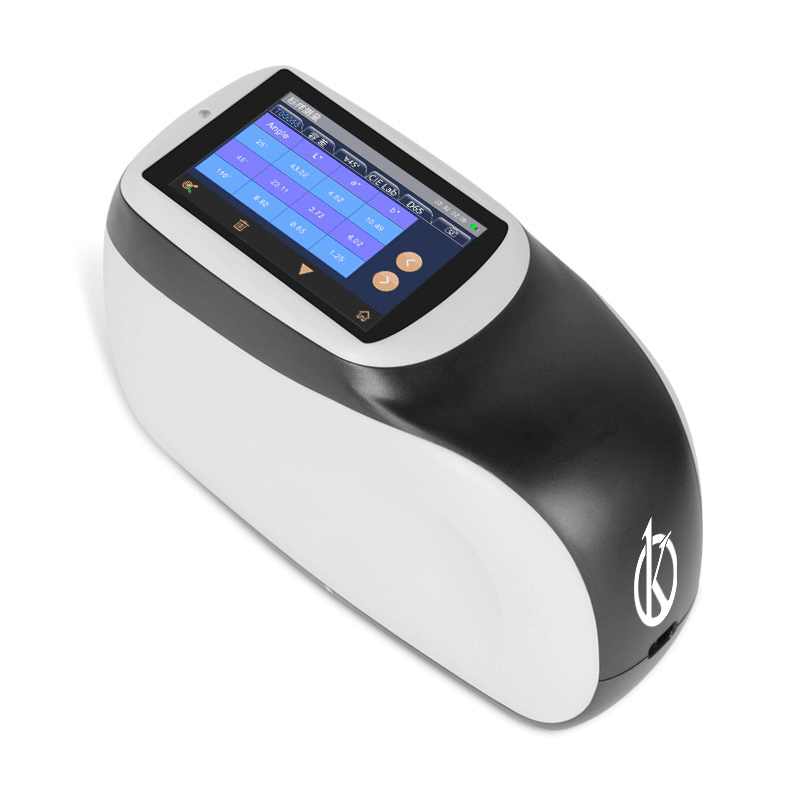
Integrating Multiangle Spectrophotometers with LIMS for Data Digitalization
In today’s fast-paced laboratory environments, the integration of multiangle spectrophotometers with Laboratory Information Management Systems (LIMS) is a game-changer. This integration not only streamlines data management but also enhances accuracy in color measurement, essential for compliance with industry standards. With advancements in technology, laboratories can now achieve seamless data flows that significantly improve operational efficiency and data integrity.
Understanding Multiangle Spectrophotometers
Multiangle spectrophotometers are sophisticated instruments designed to measure the color and appearance of materials under various viewing angles. By offering readings from multiple angles, these devices provide a more comprehensive understanding of color variations and discrepancies that may not be evident from a single angle measurement. Models such as the YR05491 and YR05492 offer advanced features for high-precision measurements, making them ideal for industries where color accuracy is paramount.
Benefits of LIMS Integration
Integrating multiangle spectrophotometers with LIMS systems allows laboratories to automate data collection, ensuring real-time access to vital information. This integration facilitates data tracking, sample management, and compliance documentation, thus minimizing human error and enhancing traceability. The ability to generate automated reports and alerts based on measurement data is crucial for maintaining quality standards and regulatory compliance.
Connectivity Protocols for Effective Integration
To successfully integrate multiangle spectrophotometers like the YR05488 with LIMS, laboratories must consider connectivity protocols that support seamless data exchange. Common protocols include ASTM, HL7, and RESTful APIs, which enable bidirectional communication between the spectrophotometer and LIMS. Adopting these standards ensures that data is updated in real-time, enhancing the laboratory's responsiveness to sample processing and reporting needs.
Model Comparison for LIMS Integration
| Model | Connectivity | Protocols Supported | Integration Effort | Best For |
|---|---|---|---|---|
| YR05491 | USB, Ethernet | REST, ASTM | Medium | High-Precision Color Measurement |
| YR05492 | USB, Ethernet | HL7, REST | Medium | Advanced Reporting and Data Analysis |
| YR05488 | USB | ASTM | Low | Standard Color Measurement |
| YR05489 | USB | HL7 | Medium | Color Accuracy in Production |
| YR05490 | USB, Ethernet | REST, ASTM | High | Comprehensive Data Analysis |
Common Mistakes and How to Avoid Them
When integrating multiangle spectrophotometers with LIMS, laboratories often make common mistakes that can hinder the efficiency and accuracy of data management. One prevalent mistake is underestimating the importance of proper protocol selection. Choosing incompatible protocols can lead to data loss or corruption. Additionally, not properly training staff on using the integrated system may cause operational delays. To mitigate these risks, thorough training and testing phases should be implemented before full-scale deployment.
Key Standards for Compliance
Multiangle spectrophotometers must comply with several industry standards to ensure the accuracy and reliability of measurements. Standards such as ASTM D 2244 and ISO 7724 outline guidelines for color measurement and evaluation. Compliance with these standards not only enhances the credibility of the measurements taken but also aids in achieving regulatory requirements for various industries, including paint, textiles, and plastics.
Strategies for Maximizing Data Digitalization
Maximizing data digitalization involves adopting best practices that enhance the utility of both multiangle spectrophotometers and LIMS. Implementing a centralized data repository for measurement results facilitates easier access and analysis. Additionally, regular calibration and maintenance of the spectrophotometers ensure that the data being fed into the LIMS is accurate and reliable. Integrating machine learning algorithms can also enable predictive analytics, helping laboratories anticipate trends and make informed decisions based on historical data.
Frequently Asked Questions
How does LIMS integration enhance accuracy in multiangle spectrophotometer measurements?
LIMS integration enhances accuracy by automating data entry and minimizing human errors. For example, the YR05492 model provides real-time data uploads to the LIMS, ensuring that all measurements are logged accurately per ASTM standards, which improves overall laboratory quality control.
What are the connectivity options for multiangle spectrophotometers with LIMS?
Multiangle spectrophotometers like the YR05491 offer connectivity options including USB and Ethernet, allowing for easy integration with LIMS systems using protocols like REST and ASTM. This facilitates real-time data exchange between the instruments and the laboratory information systems.
Which multiangle spectrophotometer is best for high-precision measurements in LIMS?
The YR05492 is particularly well-suited for high-precision measurements due to its advanced optical system and multiple angle configurations. When integrated with LIMS, it ensures compliance with ISO 7724, making it an excellent choice for laboratories focused on color accuracy.
What common mistakes occur during the integration of multiangle spectrophotometers with LIMS?
Common mistakes include failing to choose the right connectivity protocols and inadequate staff training. To avoid these issues, laboratories should conduct proper training and ensure protocol compatibility to facilitate smooth data integration from models like the YR05488.
How can I ensure my multiangle spectrophotometer complies with industry standards?
To ensure compliance, laboratories should regularly perform calibration and maintenance as per ASTM standards. Utilizing models like the YR05490 will help in achieving consistent results that adhere to these industry requirements.
What are the advantages of using a digitalized data flow in a laboratory?
Digitalized data flow enhances data integrity, reduces errors, and improves efficiency in laboratory processes. For instance, utilizing the YR05489 in conjunction with LIMS allows for quicker analysis and reporting, leading to more effective decision-making.
How can I optimize color measurement processes in my lab?
Optimizing color measurement processes can be achieved by integrating multiangle spectrophotometers with LIMS, utilizing automated workflows, and regular maintenance of instruments like the YR05488. This approach ensures accurate and timely measurement results.
What role does data sovereignty play in LIMS-integrated laboratories?
Data sovereignty is crucial for ensuring compliance with local regulations concerning data storage and management. Using models like the YR05492, which supports secure data protocols, helps laboratories maintain data integrity while complying with necessary regulations.
If you are looking for a fusion of innovation and quality, you have come to the right place. At Kalstein, we offer you the luxury of exploring our exclusive catalog of laboratory equipment. We manufacture every device to the highest standards of excellence. Our intuitive and seamless online purchasing channels are designed for your convenience, securing the most competitive prices. Hesitate no longer — we bring science to life, it is time to become part of our community.