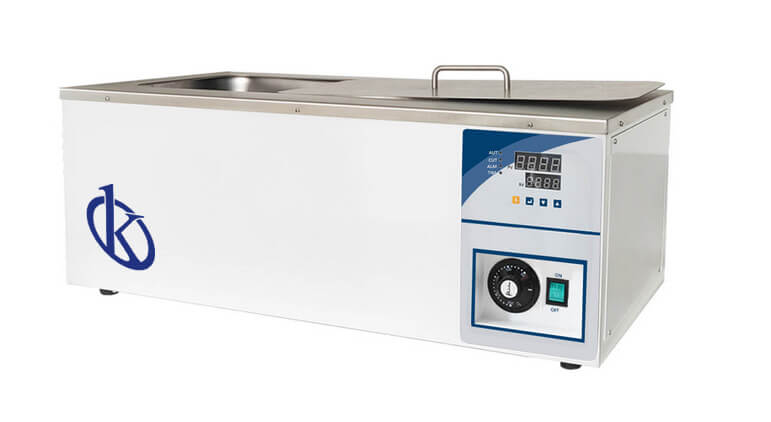
Oil Bath: Practical Applications and Techniques 2026
Oil baths are essential tools in laboratory settings, particularly in clinical and hospital environments. They provide controlled heating and are used across various applications such as biochemical reactions, sample preparation, and testing procedures. This article will delve into the practical applications, usage techniques, and the best practices for oil baths in 2026.
What is it used for in 2026
In 2026, oil baths are primarily used for experiments requiring precise and consistent temperature control. They are ideal for applications in bioengineering, medical testing, food analysis, and chemical processing. The ability to maintain a stable temperature allows for accurate results, making oil baths indispensable in a laboratory setting.
History and evolution of the technology
The use of baths for heating materials can be traced back several centuries. The transition from water baths to oil baths occurred as the need for higher temperature ranges and better thermal stability became evident. Innovations in materials and temperature control systems have led to the modern oil baths seen today, such as those in the YR series, which feature microcomputer control for better accuracy and efficiency.
How to use it step by step
Using an oil bath effectively involves several steps:
- Preparation: Ensure the oil bath is clean and free of any contaminants. Choose the appropriate oil based on the temperature requirements.
- Setup: Connect the oil bath to a power source and set the desired temperature using the controller.
- Heating: Allow the oil to heat to the target temperature; monitor the process to ensure stability.
- Experimentation: Place your samples or equipment in the bath, ensuring they are properly supported and submerged to the correct level.
- Monitoring: Keep an eye on the temperature and adjust if necessary. Use the timer to track the duration of the experiment.
- Completion: Once the process is complete, turn off the oil bath and carefully remove samples, allowing them to cool before handling.
Best techniques and protocols
For optimal results when using oil baths, consider the following techniques and protocols:
- Always preheat the oil before adding samples to avoid thermal shock.
- Use a calibrated thermometer to verify the internal temperature of the oil.
- Avoid overfilling the bath to prevent spills and maintain safety.
- Consider using a magnetic stirrer for uniform temperature distribution when working with multiple samples.
Practical applications by laboratory type
Oil baths have diverse applications depending on the laboratory type:
- Clinical laboratories: Used for incubation of samples and enzyme reactions.
- Food testing labs: Employed in the analysis of food stability and quality testing.
- Chemical labs: Ideal for synthesis reactions that require precise temperature control.
Regulations, standards and certifications
In laboratory settings, adhering to regulations and standards is crucial. Oil baths must comply with safety standards such as ASTM guidelines and ISO certifications that govern laboratory equipment. Regular audits and certifications help ensure functionality and safety standards are met.
Comparison with alternative technologies
When it comes to heating applications, oil baths can be compared with water baths and dry block heaters. Here are some key distinctions:
- Oil Baths: Offer higher temperature ranges and better heat retention.
- Water Baths: Easier to maintain but limited in temperature capabilities.
- Dry Block Heaters: Faster heating times but less versatile in terms of sample sizes and shapes.
Comparison of available models
| Model | Best for | Key specs | Recommended use case |
|---|---|---|---|
| YR04973 | General laboratory heating | Power: 1000W, Temp Range: RT +5~250°C | Sample incubation and chemical reactions |
| YR04974 | Food and chemical testing | Power: 1200W, Temp Range: RT +5~250°C | Quality control and testing procedures |
| YR04975 | Biochemical applications | Power: 1600W, Temp Range: RT +5~250°C | Enzyme reactions and sample preparation |
| YR04976 | High-precision applications | Power: 2000W, Temp Range: RT +5~250°C | Complex chemical synthesis processes |
Common mistakes and how to avoid them
There are several common mistakes when using oil baths that can easily be avoided:
- Underestimating heat retention: Always allow sufficient time for the oil to reach the desired temperature before adding samples.
- Ignoring safety protocols: Use protective gear when handling hot oil to prevent burns.
- Overloading the bath: Ensure the capacity of the oil bath is not exceeded to maintain safety and efficiency.
Maintenance, calibration and good practices 2026
Regular maintenance is essential for the longevity of oil baths:
- Clean the bath regularly to avoid residue buildup.
- Calibrate the temperature control system at regular intervals to ensure accuracy.
- Check electrical connections and insulation to prevent hazards.
Cost-benefit analysis 2026
Investing in oil baths provides significant benefits for laboratory operations. While the initial cost may be higher than other heating methods, the precision, stability, and versatility of oil baths lead to more reliable results. In the long run, they reduce the risk of errors and improve laboratory efficiency, making them a worthwhile investment for any clinical or research facility.
Frequently asked questions
What temperature range should I expect from an oil bath?
Most oil baths typically offer a temperature range from room temperature plus 5°C to 250°C, making them suitable for a variety of applications.
How do I choose the right oil for my bath?
Select an oil based on its thermal stability and viscosity at the desired temperatures. Common choices include mineral oils and silicone oils.
Can I use an oil bath for different types of samples?
Yes, oil baths can accommodate various sample types, but ensure that the materials being heated are compatible with oil to avoid contamination or degradation.
How often should I maintain my oil bath?
Regular maintenance should be conducted monthly, while calibration should be done at least once a year to ensure accurate performance.
Is it safe to leave an oil bath unattended?
It is not recommended to leave an oil bath unattended while in operation due to the risk of overheating and spills.
What are the signs of an oil bath needing maintenance?
Signs include inconsistent temperature readings, visible residue buildup, and unusual odors emanating from the bath.
Where can I request a quote for an oil bath?
You can request a quote by reaching out to our sales team or visiting our online catalog for detailed pricing and options.
If you are looking for a fusion of innovation and quality, you have come to the right place. At Kalstein, we offer you the luxury of exploring our exclusive catalog of laboratory equipment. We manufacture every device to the highest standards of excellence. Our intuitive and seamless online purchasing channels are designed for your convenience, securing the most competitive prices. Hesitate no longer — we bring science to life, it is time to become part of our community.