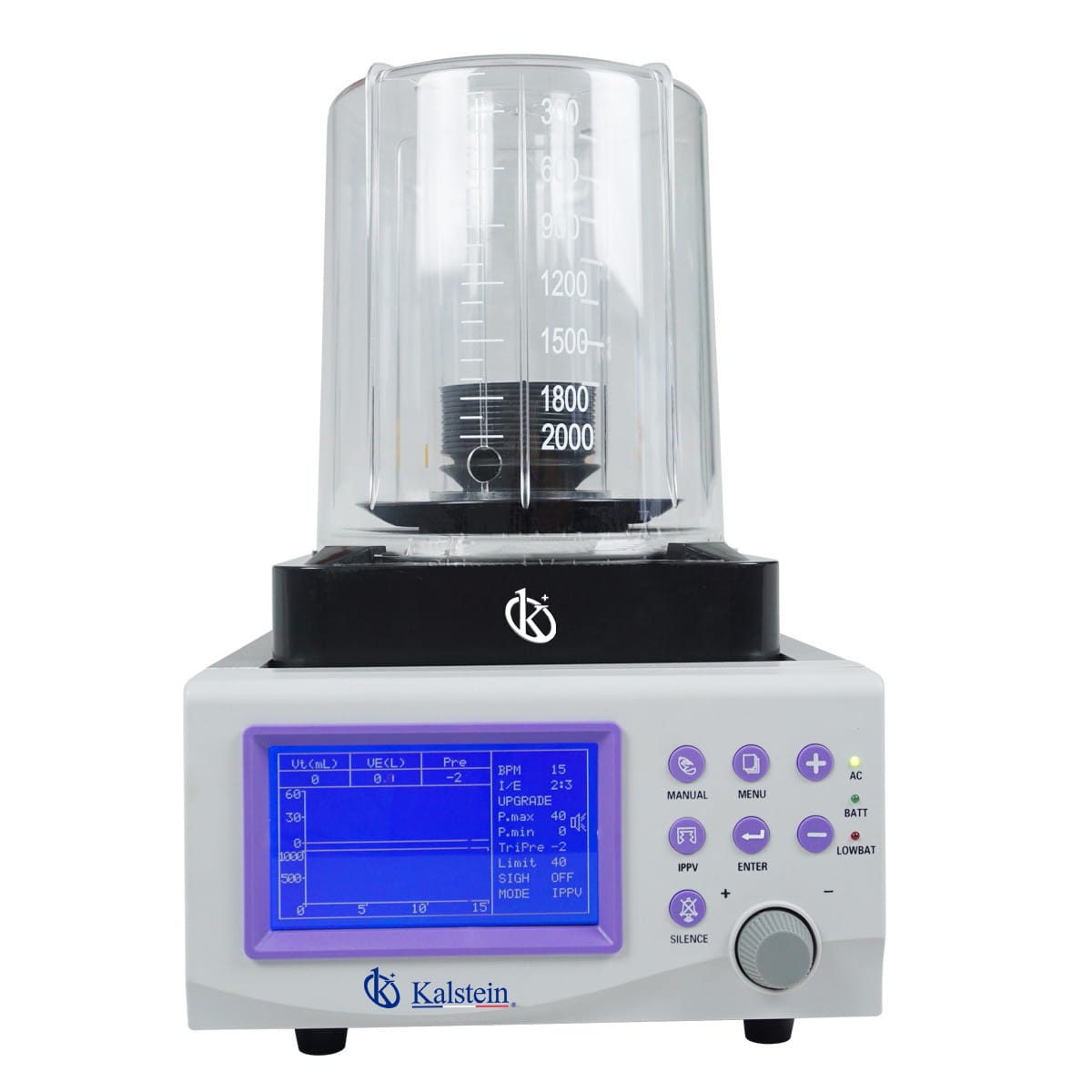
Understanding the Operating Principle and Scientific Foundations of the YR06102 Veterinary Anesthesia Ventilator
The YR06102 Veterinary Anesthesia Ventilator is a crucial device in veterinary medicine, providing mechanical ventilation for animals that cannot breathe on their own. Understanding its operating principles and the scientific fundamentals behind its design is essential for veterinarians and technicians working with this equipment. This article delves into the underlying principles that govern the functionality of the YR06102, exploring its design choices, operational modes, and the mechanics of mechanical ventilation.
Principles of Mechanical Ventilation
Mechanical ventilation refers to the process of delivering controlled breaths to an animal that requires assistance in breathing. The YR06102 operates on the basic principle of generating positive pressure to facilitate airflow into the lungs. This is critical in scenarios where patients may be incapacitated due to anesthetics, respiratory failure, or other medical conditions.
The core mechanism of the YR06102 relies on the concepts of pressure and volume as described by Boyle's Law, which states that the pressure of a gas is inversely proportional to its volume when temperature is held constant. This principle is vital in understanding how the ventilator adjusts the pressure during the respiratory cycle, ensuring that adequate tidal volume is delivered to the patient.
Operating Modes of the YR06102
The YR06102 offers multiple modes of operation: Intermittent Positive Pressure Ventilation (IPPV), Synchronized Intermittent Mandatory Ventilation (SIMV), and Manual mode. Each mode serves a different purpose depending on clinical needs.
- IPPV: This mode delivers a set number of breaths at a predetermined pressure, suitable for patients requiring full ventilatory support.
- SIMV: This allows spontaneous breathing between mandatory breaths, providing a balance between assisted and controlled ventilation.
- Manual: In this mode, the operator can deliver breaths as needed, offering flexibility in emergency situations.
Scientific Foundations of Ventilation Parameters
The YR06102 is equipped with monitoring capabilities that track essential ventilation parameters such as tidal volume (VT), minute ventilation (VM), and airway pressure (PA). Understanding these parameters is key to ensuring effective ventilation.
Tidal volume, the amount of air delivered to the patient with each breath, is adjustable between 0.5 ml and 1600 ml, allowing for customization based on the animal’s size and condition. Minute ventilation, which is the total volume of air inhaled or exhaled per minute, is crucial for assessing overall respiratory effectiveness. Airway pressure monitoring helps in identifying any obstructions or issues within the ventilation circuit.
Technical Specifications of the YR06102
| Model | YR06102 |
|---|---|
| Respiration Mode | IPPV, SIMV, MANUAL |
| Display | 5.5' SNT screen |
| Waveform | P-t, V-t |
| Tidal Volume | 0.50ml - 1600ml |
| Respiratory Frequency | 1 to 65 BPM |
| I:E Ratio | 8:1 - 1:8 |
| Alarm Parameters | High pressure, Low pressure, O2 source lost, AC power lost |
| High Pressure Alarm Limit | 20 - 60 cmH2O |
| Low Pressure Alarm Limit | 0 - 20 cmH2O |
| Monitor Parameters | Tidal volume, MV, Ppeak, PEEP, respiratory frequency, I:E ratio |
| Safety Valve Pressure Limit | 6 kPa |
Common Issues and Troubleshooting
It is essential for operators of the YR06102 to be able to identify and troubleshoot common issues that may arise during operation. By understanding potential problems, effective solutions can be implemented swiftly.
Equipment does not power on
Possible causes include power supply issues, disconnected power cords, or internal failures. Check the power source, ensure connections are secure, and if necessary, refer to the service manual for advanced diagnostics.
Error code E-03
This error typically indicates a pressure sensor malfunction. Inspect the sensor and associated wiring for any signs of damage or disconnection. Recalibration may be required to resolve the issue.
Inconsistent readings
Inconsistent readings may arise from improper circuit connections or defective sensors. Verify all connections and replace any faulty components to rectify the readings.
Frequently Asked Questions
What are the main features of the YR06102 Veterinary Anesthesia Ventilator?
The YR06102 features multiple breathing modes (IPPV, SIMV, Manual), adjustable tidal volumes from 0.5 ml to 1600 ml, and comprehensive monitoring of key parameters such as airway pressure and respiratory rate.
How does the YR06102 ensure patient safety during ventilation?
The ventilator includes alarm systems for high and low pressures, as well as alerts for lost oxygen supply and AC power failures, ensuring that operators are promptly notified of any potential issues.
What is the significance of the I:E ratio in the YR06102?
The I:E ratio (Inspiratory to Expiratory ratio) is crucial in determining how long the ventilator will deliver breaths compared to the period of exhalation, affecting overall ventilation efficiency and patient comfort.
How do you calibrate the YR06102 for accurate measurements?
Calibration involves following specific procedures outlined in the operating manual, typically including adjusting settings for tidal volume and pressure based on the manufacturer's guidelines and conducting tests to confirm accuracy.
Can the YR06102 be used for different animal sizes?
Yes, the YR06102 is designed to accommodate a wide range of animal sizes by adjusting the tidal volume and respiratory frequency settings as necessary to meet the specific needs of each patient.
What maintenance is recommended for the YR06102?
Regular maintenance includes checking and cleaning the ventilator components, ensuring proper function of the alarms, and conducting periodic calibrations according to the manufacturer's recommendations.
How can I request a quote for the YR06102?
Please contact us directly to request a quote for the YR06102. Our team will be happy to assist you with pricing and availability.
If you are looking for a fusion of innovation and quality, you have come to the right place. At Kalstein, we offer you the luxury of exploring our exclusive catalog of laboratory equipment. We manufacture every device to the highest standards of excellence. Our intuitive and seamless online purchasing channels are designed for your convenience, securing the most competitive prices. Hesitate no longer — we bring science to life, it is time to become part of our community.