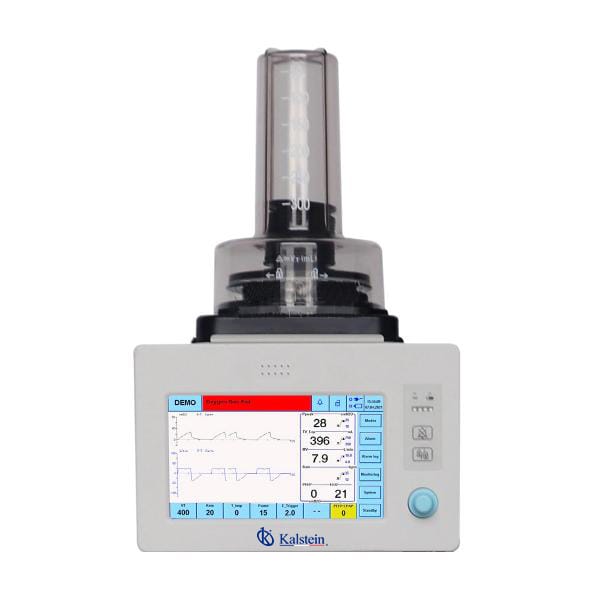
Understanding the Operating Principle and Scientific Fundamentals of the YR06103 Veterinary Anesthesia Ventilator
The YR06103 Veterinary Anesthesia Ventilator is engineered to provide precise respiratory support to animals during anesthesia, ensuring their safety and comfort. This article delves into the operating principles and scientific fundamentals that underpin the functionality of the YR06103, showcasing the technology that makes it a vital tool in veterinary practices.
Operating Principle of the YR06103
The YR06103 operates based on the principles of gas exchange and mechanical ventilation. It utilizes a combination of positive pressure ventilation and controlled breathing modes to deliver anesthetic gases effectively. The ventilator calculates the necessary parameters automatically based on the animal's weight, ensuring correct dosage and oxygen delivery.
The mechanical ventilator operates primarily in two modes: Volume Control Ventilation (VCV) and Pressure Control Ventilation (PCV). In VCV, a preset volume of gas is delivered to the lungs, while PCV adjusts the flow and pressure, allowing for more dynamic responses to the patient's needs. This dual functionality makes the YR06103 adaptable to various clinical scenarios.
Scientific Fundamentals Behind Mechanical Ventilation
Understanding the scientific basis of mechanical ventilation is crucial for efficient operation. Mechanical ventilation relies on fundamental principles of physics and respiratory physiology, including the concepts of pressure gradients, compliance, and resistance.
Pressure gradients are essential in driving airflow into the lungs. The YR06103 generates positive pressure to overcome lung resistance and deliver gas effectively. Compliance refers to the lung's ability to expand and contract, while resistance refers to the opposition to airflow. The ventilator's design considers these factors to optimize gas delivery.
Key Features of the YR06103
- Compact Design: Space-saving structure that fits well in any veterinary setting.
- Lightweight: Easy to transport, making it ideal for mobile veterinary clinics.
- Automatic Parameter Calculation: Adjusts settings automatically based on the animal's weight.
- PCV Breathing Mode: Facilitates automatic breathing, enhancing patient comfort.
- HD TFT Touch Screen: User-friendly interface for easy operation.
- Long Battery Life: Built-in battery supports over two hours during power outages.
Technical Specifications of the YR06103
| Specification | Description |
|---|---|
| Model | YR06103 |
| Display | 9-inch TFT touch screen |
| Gas Type | O2 or Air |
| Inlet Pressure | 280-600 kPa |
| Max Flow | <= 120 L/min |
| Operating Modes | VCV, PCV, SPONT, Manual, Demo |
| Waveform | Pressure, Flow-rate, Volume |
| Battery Type | Li-ion, work time more than 2 hours |
| Tidal Volume Range | 20 - 1500 ml |
| Respiratory Rate Range | 1 ~ 150 bpm |
Frequently Asked Questions
What are the main advantages of using the YR06103 in veterinary practices?
The YR06103 provides precise control over ventilation, ensuring proper gas exchange and animal safety. Its compact and portable design allows for use in various settings, while its automated calculations enhance user efficiency.
How does the YR06103 handle different animal sizes during anesthesia?
The YR06103 is equipped with adjustable settings based on the animal's weight, allowing it to cater to both small and large animals effectively, ensuring optimal ventilation regardless of size.
What are the recommended maintenance practices for the YR06103?
Regular cleaning and calibration are essential for maintaining the performance of the YR06103. Users should refer to the manufacturer's guidelines for detailed maintenance schedules and procedures.
Can the YR06103 be used in emergency veterinary situations?
Yes, the YR06103’s battery backup and intuitive controls make it suitable for emergency situations, ensuring that it can provide vital respiratory support when needed.
What are the limitations of the YR06103?
While the YR06103 offers advanced features, it is important to note that user training is essential to maximize its potential. Additionally, compatibility with certain anesthetic machines should be verified before use.
How long can the YR06103 operate on battery power?
The built-in battery of the YR06103 can sustain operation for more than two hours during power outages, providing reliable performance even when electrical supply is interrupted.
Is the YR06103 compatible with different gas sources?
Yes, the YR06103 can utilize both O2 and Air as gas sources, making it versatile for various veterinary applications.
If you are looking for a fusion of innovation and quality, you have come to the right place. At Kalstein, we offer you the luxury of exploring our exclusive catalog of laboratory equipment. We manufacture every device to the highest standards of excellence. Our intuitive and seamless online purchasing channels are designed for your convenience, securing the most competitive prices. Hesitate no longer — we bring science to life, it is time to become part of our community.