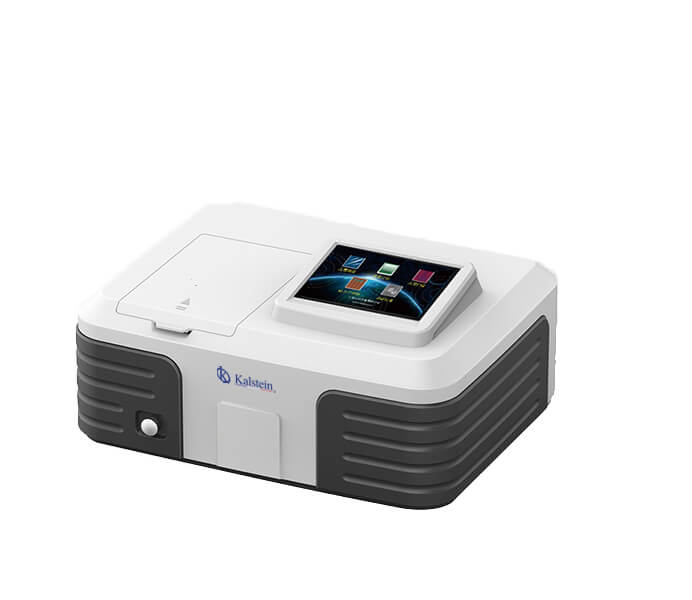
Understanding the Operating Principle and Scientific Basis of the YR01858 Spectrophotometer
The YR01858 Double Beam UV/Vis Spectrophotometer is a sophisticated instrument designed for precise measurement of light absorption in the UV and visible spectrum. This article aims to elucidate the underlying principles of operation and the scientific foundations that empower this device, ensuring optimal understanding for effective usage in laboratory applications.
Overview of Spectrophotometry
Spectrophotometry is a method used to measure how much a chemical substance absorbs light by measuring the intensity of light as a beam passes through a sample solution. The primary principle involves the absorption of light at specific wavelengths corresponding to the electronic transitions of molecules within the sample. This technique is essential in various fields, including chemistry, biology, and environmental science, for quantitative and qualitative analysis.
Principle of Operation of the YR01858
The YR01858 operates on the principle of double beam spectrophotometry, which enhances measurement accuracy and stability. This method involves splitting the light beam into two paths: one passing through the reference and the other through the sample. By comparing the intensity of light before and after passing through the sample, the spectrophotometer can compute the absorbance or transmittance of the sample.
Key Features Enhancing Accuracy
The YR01858 incorporates several design features that contribute to its accuracy:
- Independent Optical Components: Each optical component is mounted independently on a 8 mm thick aluminum base, preventing deformation and ensuring stability during measurements.
- Self-Calibration: The automatic self-test feature ensures that calibration occurs before each use, minimizing potential errors.
- Data Storage and Printing: With built-in data storage capabilities, results can be printed directly in A4 format, aiding in efficient data management and record keeping.
Calibration Process of the YR01858
Calibration is a critical procedure in ensuring accurate measurements with the YR01858. The device allows users to establish a calibration curve, which is a plot of absorbance versus concentration of known standards. This curve is vital for quantifying unknown samples.
Procedure for Calibration
1. Prepare a series of standard solutions with known concentrations of the analyte. 2. Measure the absorbance of each standard using the YR01858 and plot the results to create a calibration curve. 3. Validate the curve by measuring a quality control sample to ensure accuracy before testing unknown samples.
Technical Specifications of the YR01858
| Specification | Details |
|---|---|
| Model | YR01858 |
| Wavelength Range | 320-1100 nm |
| Bandwidth | 2 nm |
| Wavelength Accuracy | ± 0.5 nm |
| Photometric Accuracy | ± 0.3% T |
| Data Output Ports | USB and Parallel Port |
| Weight | 16 kg |
| Power Requirements | AC 220V / 50Hz or AC 110V / 60Hz |
| Dimensions | 460 x 360 x 225 mm |
Understanding Measurement Units and Errors
Measurements obtained from the YR01858 are typically expressed in absorbance (A) or transmittance (%T). Absorbance measures the amount of light absorbed by the sample, while transmittance indicates the percentage of light that passes through the sample.
Common units of measurement include:
- Absorbance (A): A logarithmic ratio indicating how much light has been absorbed.
- Transmittance (%T): A percentage expressing the amount of light transmitted through the sample.
Interpreting Results
To interpret the results, one must consider the normal ranges for the specific analytes being measured. It’s also crucial to account for error bars and uncertainties that arise from the calibration and measurement processes. Understanding these results is vital to avoid misinterpretations in scientific research and practical applications.
Common Troubleshooting Scenarios
Despite its robust design, users may encounter issues during operation. Here are common symptoms, their probable causes, and possible solutions:
| Symptom | Probable Cause | Solution |
|---|---|---|
| Equipment does not power on | Faulty power supply | Check power connections and ensure the correct voltage is supplied. |
| Error code E-03 | Wavelength calibration failure | Perform a self-calibration procedure and restart the device. |
| Inconsistent readings | Poor sample preparation | Ensure samples are homogeneously mixed and free of bubbles. |
Frequently Asked Questions
What is the wavelength accuracy of the YR01858 spectrophotometer?
The YR01858 spectrophotometer has a wavelength accuracy of ± 0.5 nm, ensuring precise measurements necessary for reliable analysis.
How does the double beam design improve measurement stability?
The double beam design allows for simultaneous measurement of the sample and reference, reducing variability in results caused by fluctuations in light source intensity and optical components.
What types of samples can be analyzed with the YR01858?
The YR01858 is versatile and can analyze various samples, including liquids in cuvettes, biological materials, and chemicals, making it valuable in clinical, educational, and industrial settings.
Can the YR01858 store measurement data?
Yes, the YR01858 has a built-in data storage feature allowing users to save measurement results for later review or analysis.
How do I calibrate the YR01858 spectrophotometer?
Calibration involves preparing standard solutions with known concentrations, measuring their absorbance, and plotting the results to create a calibration curve to quantify unknown samples accurately.
What is the importance of using a reference beam?
The reference beam compensates for any fluctuations in the light source, ensuring that the measurement reflects only the absorption characteristics of the sample, thereby enhancing accuracy and reliability.
Conclusion
The YR01858 Double Beam UV/Vis Spectrophotometer exemplifies advanced technology in spectrophotometry, characterized by its operational principles and scientific design. Understanding its features and proper usage can significantly enhance laboratory efficiency and data accuracy. For inquiries regarding the YR01858 or to request a quote, please reach out through our available channels.
If you are looking for a fusion of innovation and quality, you have come to the right place. At Kalstein, we offer you the luxury of exploring our exclusive catalog of laboratory equipment. We manufacture every device to the highest standards of excellence. Our intuitive and seamless online purchasing channels are designed for your convenience, securing the most competitive prices. Hesitate no longer — we bring science to life, it is time to become part of our community.