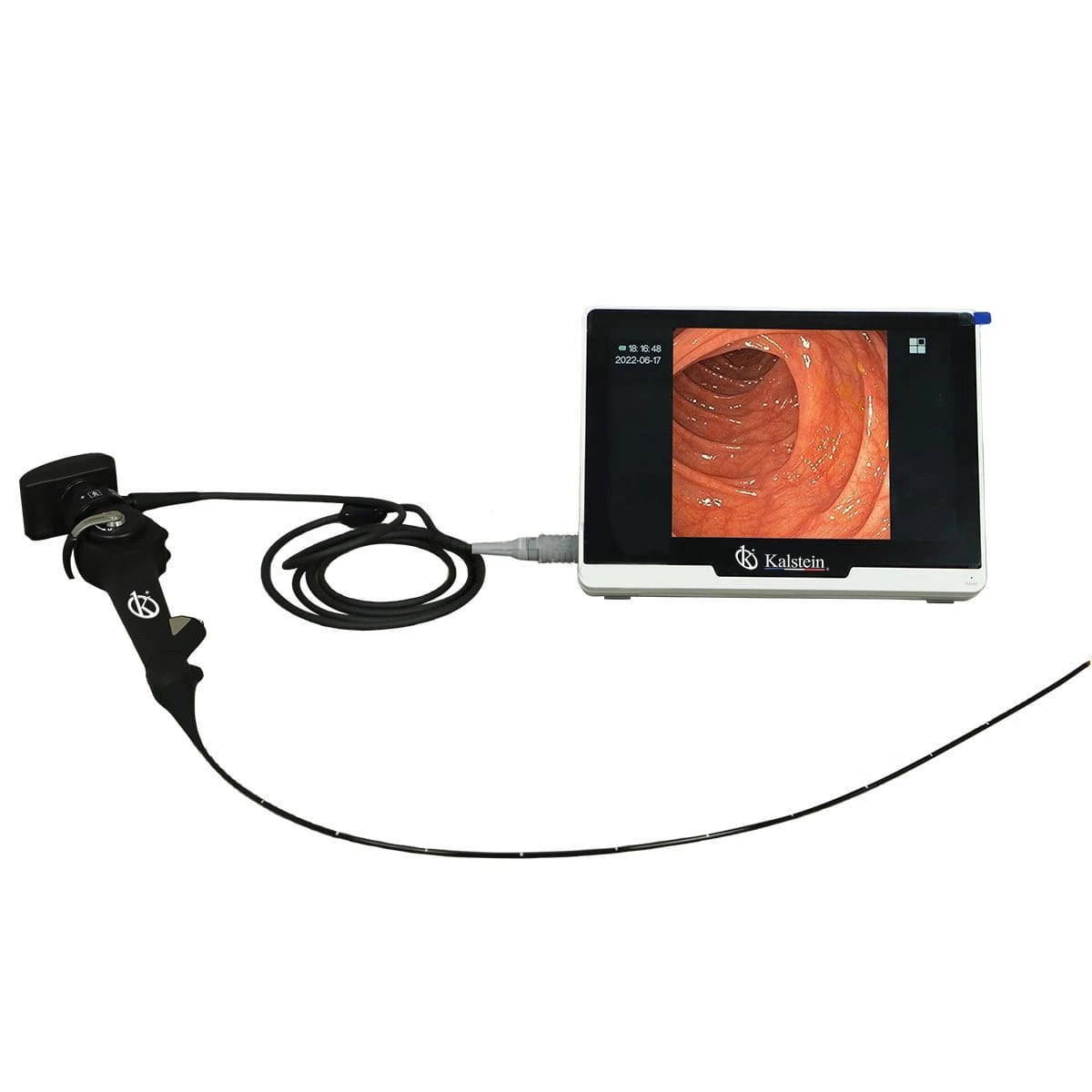
Understanding the Operating Principles of the YR06153 Portable HD Veterinary Video Endoscope
The YR06153 Portable HD Veterinary Video Endoscope represents a cutting-edge advancement in veterinary diagnostics. This article delves into the scientific fundamentals that underpin its functionality, exploring how its design and technology contribute to its effectiveness in various veterinary applications.
Scientific Fundamentals of the YR06153 Endoscope
The YR06153 utilizes a high-resolution CMOS sensor that significantly enhances image clarity. This sensor captures images in real-time without transfer delay, ensuring that veterinarians receive immediate feedback during examinations. The science behind the sensor's capabilities lies in its ability to convert light into electronic signals, allowing for detailed visibility into the internal structures of animals.
Another key component is the durable LED light source, which illuminates the area being examined. The choice of LED technology not only provides consistent illumination but also ensures longevity, making it a reliable choice for frequent use in veterinary settings. The principles of optics dictate that light traveling through various mediums can be manipulated to improve visibility, which is effectively harnessed in the YR06153.
Design Choices and Their Impact on Operation
The YR06153 is designed with multifunctional buttons located on the handle, allowing a veterinarian to operate the device smoothly with one hand. This ergonomic design is crucial in fast-paced situations where efficiency and control are paramount. The decision to implement a user-friendly interface aligns with the principles of human factors engineering, which aims to enhance usability and reduce the risk of errors during procedures.
Another notable design feature is the flexible insertion tube, which is capable of bending in multiple directions. This flexibility allows for comprehensive examination angles and access to various internal structures, facilitating procedures such as bronchoscopy and rhinoscopy. Understanding the mechanics of flexibility and maneuverability in medical instruments is vital in optimizing their use in veterinary practice.
Applications of the YR06153 in Veterinary Medicine
The YR06153 is essential for various veterinary applications. One primary use is in bronchoscopy, where veterinarians can visualize the airways of animals. The clear imaging capabilities provided by the high-resolution sensor are crucial for diagnosing respiratory issues. Furthermore, the device's view depth ranges from 3 to 200 mm, making it suitable for examining both superficial and deeper structures.
In addition to bronchoscopy, the YR06153 can be utilized for urethral and bladder examinations. The working channel of 2.0 mm allows for the insertion of small instruments, enabling veterinarians to conduct minor surgical procedures directly through the endoscope. The versatility of the YR06153 exemplifies how technological advancements influence clinical practices in veterinary medicine.
Technical Specifications of the YR06153
| Model | Diameter of Insertion Tube | Working Channel | Working Length | View Angle | View Depth | Range of Bending | Screen Size |
|---|---|---|---|---|---|---|---|
| YR06153 | 4.8 mm | 2.0 mm | 1000 mm | 120° | 3-200 mm | 180° (U), 130° (D), 120° (R), 120° (L) | 10 inches |
Common Misconceptions about Veterinary Endoscopy
Despite the technological progress in veterinary endoscopy, several misconceptions persist. One common belief is that endoscopic procedures are overly complicated or unsafe. However, with proper training and experience, veterinarians can use tools like the YR06153 effectively and safely. Understanding the operational principles is essential to demystifying this technology.
Another misconception is that endoscopy is only suitable for specific types of examinations. In reality, the versatility of the YR06153 allows it to be used for a range of procedures, from diagnostics to minor surgical interventions, thereby broadening its application in veterinary practice.
Challenges in Endoscopic Procedures and Solutions
Despite its advantages, the use of the YR06153 may present challenges, such as image clarity in certain conditions or difficulty maneuvering the insertion tube. Veterinarians must be aware of these potential issues and how to address them. For example, ensuring adequate lighting and proper technique can significantly improve image quality during examinations.
Moreover, proper maintenance of the equipment is crucial in avoiding common pitfalls. Regularly checking the LED light source and ensuring that the CMOS sensor is free from obstructions can prevent many operational issues.
Frequently Asked Questions
What is the primary technology used in the YR06153 endoscope?
The YR06153 endoscope primarily utilizes a high-resolution CMOS sensor which provides real-time imaging with minimal latency, allowing for immediate assessment during veterinary examinations.
How flexible is the insertion tube of the YR06153?
The insertion tube of the YR06153 is designed to bend in multiple directions, allowing for a range of examination angles, which is crucial for accessing different anatomical structures.
What types of procedures can the YR06153 be used for?
The YR06153 is ideal for a variety of procedures, including bronchoscopy, rhinoscopy, and examinations of the urethra and bladder, facilitating both diagnostic and minor surgical operations.
How can veterinarians improve image quality during endoscopic procedures?
Veterinarians can enhance image quality by ensuring adequate lighting, maintaining the device properly, and employing appropriate techniques during examinations to keep the lens clear of obstructions.
What maintenance is required for the YR06153 endoscope?
Routine maintenance for the YR06153 includes checking the LED light source, cleaning the CMOS sensor, and ensuring that the insertion tube is free from blockages to maintain optimal performance.
Are there any training resources available for using the YR06153?
Yes, many manufacturers provide training resources and manuals that can help veterinarians understand how to effectively use the YR06153, including operation guides and procedural protocols.
If you are looking for a fusion of innovation and quality, you have come to the right place. At Kalstein, we offer you the luxury of exploring our exclusive catalog of laboratory equipment. We manufacture every device to the highest standards of excellence. Our intuitive and seamless online purchasing channels are designed for your convenience, securing the most competitive prices. Hesitate no longer — we bring science to life, it is time to become part of our community.