Ensuring Operator Safety with Low Temperature Freezers: Best Practices and Protocols
Low temperature freezers are essential in laboratory environments for the safe storage of sensitive materials, including biological samples, pharmaceuticals, and other critical items. However, the use of these freezers comes with significant responsibilities regarding operator safety and biosafety protocols. This article delves into the protocols that laboratory professionals must adhere to when using low temperature freezers, with a focus on models like the YR05100, YR05309, and YR05311.
Understanding Biosafety Protocols and Operator Protection
In laboratories, biosafety is paramount, especially when handling materials that require low temperature storage. Implementing effective biosafety protocols minimizes risks associated with accidents, exposure to hazardous substances, and contamination. Key components of these protocols include understanding the specific biosafety levels (BSLs), proper use of personal protective equipment (PPE), and establishing decontamination procedures.
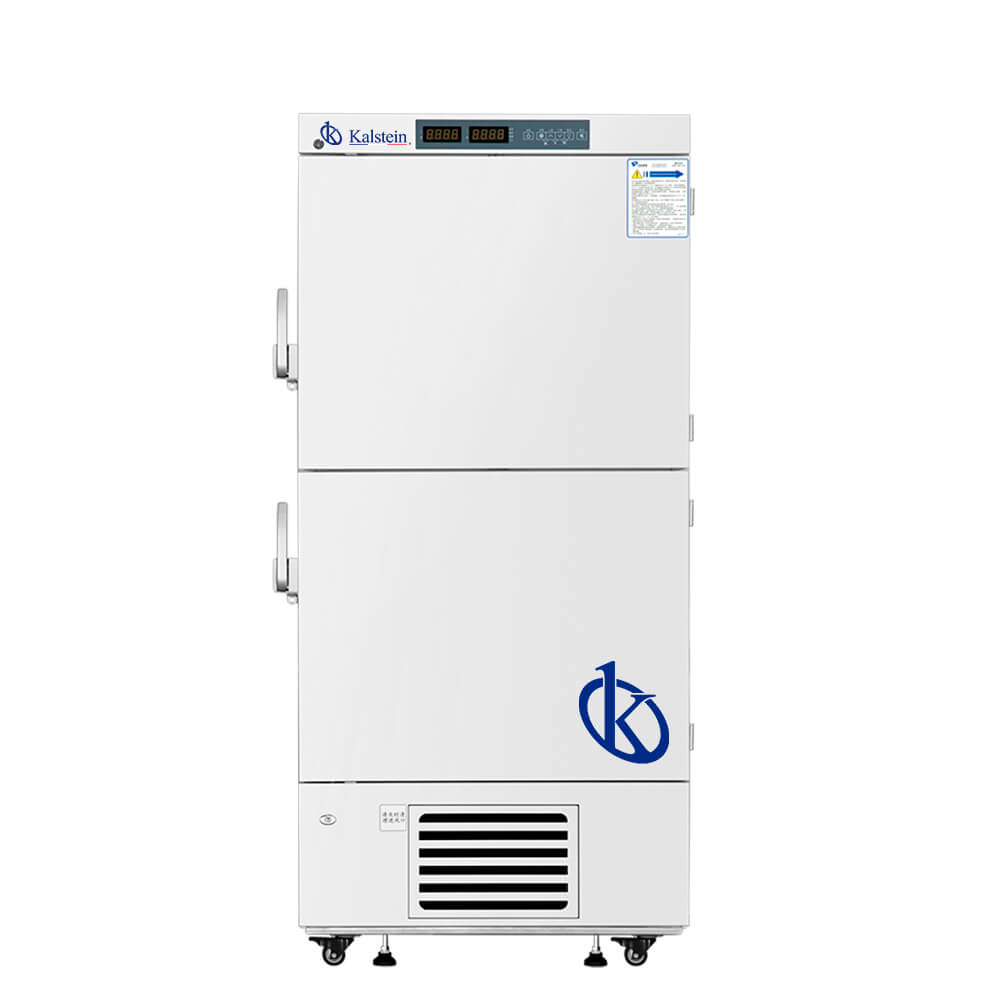
The low temperature freezers, particularly the YR05100, which features a dual-door construction, ensures that the samples remain secure while minimizing the risk of exposure during access. This model, designed with adjustable shelving, allows for flexible storage without compromising the integrity of the samples, crucial in maintaining biosafety standards.
Evaluating a Low Temperature Freezer's Safety Features
Safety features are critical in low temperature freezers to ensure compliance with safety standards. Features such as alarm systems, temperature indicators, and user-friendly interfaces play an essential role. For instance, the YR05309 model includes multiple malfunction alarms, offering visual and audible alerts that enhance operator safety by preventing temperature excursions that could compromise stored samples.
Additionally, the YR05311 model, with its stainless steel construction and manual defrost system, provides durability while ensuring that maintenance protocols do not expose operators to harmful conditions during cleaning or repairs. Understanding these features helps lab professionals make informed decisions regarding equipment selection based on safety performance.
Implementing Risk Assessment Matrices for Low Temperature Freezers
Conducting a thorough risk assessment is critical for identifying potential hazards associated with low temperature freezers. A risk assessment matrix evaluates the likelihood and severity of risks, enabling laboratories to implement appropriate control measures. For example, using a low temperature freezer model like the YR05309 can mitigate the risks of sample loss through its robust alarm system and energy failure protection features.
Creating a comprehensive risk matrix involves documenting all potential risks, assessing their impact, and establishing protocols to mitigate them, including regular maintenance checks and training for all personnel who interact with the freezer.
Personal Protective Equipment (PPE) and Best Practices
The use of appropriate PPE is a fundamental part of maintaining operator safety in laboratories utilizing low temperature freezers. Gloves, goggles, and lab coats should be standard attire when accessing these freezers, especially when handling biological samples that may pose contamination risks. Using gloves that are resistant to extreme temperatures will help prevent frostbite or skin injury.
For instance, when operating the YR05100, which maintains temperatures as low as -40 °C, it is imperative to use insulated gloves. Training sessions on proper PPE usage further reinforce safety protocols and ensure all staff are aware of the potential risks associated with their tasks.
Decontamination Protocols for Low Temperature Freezers
Establishing effective decontamination protocols is essential for maintaining a safe laboratory environment. Regular cleaning and maintenance of low temperature freezers not only prolongs their lifespan but also minimizes contamination risks. Each model, for instance, YR05311, suggests specific cleaning guidelines, which should be adhered to stringently.
The decontamination process should include a checklist for cleaning schedules, approved cleaning agents, and safety measures for personnel involved in the process. This ensures a systematic approach to maintaining a clean working environment and safeguarding against contamination.
Training and Compliance with Safety Regulations
Training laboratory personnel on the safe operation of low temperature freezers is crucial for compliance with safety regulations. Regular training sessions should cover the operational protocols, safety features of the equipment, and emergency procedures in case of an equipment failure.
For example, ensuring that staff are familiar with the YR05309’s alarm notifications and how to respond effectively can significantly reduce the risk of accidents. Maintaining a culture of safety through continuous education and adherence to regulations promotes an effective laboratory environment.
Comparison of Available Models
| Model | Temperature Range (°C) | Capacity (Liters) | Alarm Features | Best Use Case |
|---|---|---|---|---|
| YR05100 | -20 to -40 | Various | Temperature alarms | Flexible sample storage |
| YR05309 | -20 to -40 | 358 | Multiple malfunction alarms | Medical supplies storage |
| YR05311 | -10 to -25 | Various | High/low temperature alarms | Laboratory and hospital use |
Common Mistakes and How to Avoid Them
Laboratories often face challenges in maintaining adherence to biosafety protocols involving low temperature freezers. Common mistakes include inadequate training, failure to calibrate equipment, and neglecting maintenance schedules. Ensuring that all personnel are well-trained and familiar with both the equipment and the protocols is crucial.
Additionally, regular calibration of temperature sensors is necessary to ensure accuracy. For example, not calibrating the YR05309's sensors could lead to unnoticed temperature deviations, posing risks to stored samples and operator safety.
Frequently Asked Questions
What are the best safety protocols for operating low temperature freezers in labs?
Implementing best safety protocols involves using appropriate PPE, conducting regular training, and following decontamination procedures. For instance, using the YR05100 model allows operators to maintain safety through its dual-door construction, helping to minimize exposure during sample access.
How does the YR05309 model enhance operator safety in laboratories?
The YR05309 model enhances operator safety through multiple alarm systems that alert users to temperature changes and operational malfunctions. These safety features are critical in preventing sample loss and ensuring compliance with safety standards in laboratory environments.
What are the risks associated with low temperature freezers in laboratory settings?
Risks include exposure to extreme cold, potential contamination of samples, and equipment failures. Using models like the YR05311, which includes high/low temperature alarms, can mitigate these risks effectively while maintaining safe sample storage conditions.
How do training programs impact the safety of low temperature freezer operations?
Training programs ensure that personnel are aware of safety protocols and the operational features of equipment. For example, proper training on the YR05309's alarm response procedures can significantly reduce the likelihood of accidents and maintain compliance with safety regulations.
What maintenance practices should be implemented for low temperature freezers?
Regular maintenance practices include cleaning, calibrating sensors, and checking alarm systems. Following a maintenance schedule for models like the YR05100 ensures that the freezer operates efficiently while minimizing risks to both samples and personnel.
How can risk assessment matrices improve low temperature freezer usage?
Risk assessment matrices identify potential hazards and evaluate their impact, allowing laboratories to implement effective control measures. Utilizing the YR05309 model, which comes equipped with safety alarms, can help mitigate identified risks effectively.
What decontamination protocols are recommended for low temperature freezers?
Decontamination protocols should include regular cleaning schedules, use of approved cleaning agents, and safety measures for personnel during the cleaning process. Adhering to these protocols will maintain safety and compliance, especially when utilizing models like the YR05311.
How are personal protective equipment (PPE) guidelines critical in low temperature freezer environments?
PPE guidelines are critical as they protect laboratory personnel from exposure to cold temperatures and potential contaminants. When handling the YR05100, using insulated gloves is essential to prevent frostbite and ensure safety during sample access.
If you are looking for a fusion of innovation and quality, you have come to the right place. At Kalstein, we offer you the luxury of exploring our exclusive catalog of laboratory equipment. We manufacture every device to the highest standards of excellence. Our intuitive and seamless online purchasing channels are designed for your convenience, securing the most competitive prices. Hesitate no longer — we bring science to life, it is time to become part of our community.