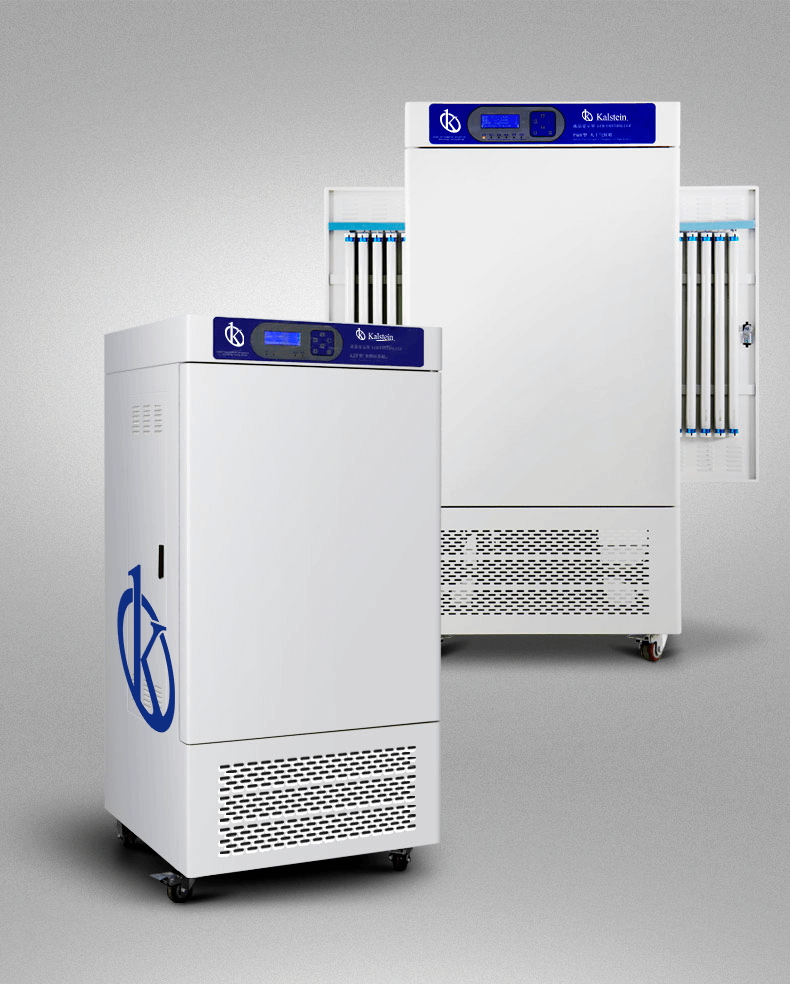
How to Optimize Data Flow with Environmental Chambers Integrated with LIMS
In the modern laboratory setting, the effective management of data flow is critical to enhancing operational efficiency and accuracy in testing environments. Environmental chambers play a vital role in simulating specific climatic conditions for various applications, especially in fields such as biology, agriculture, and environmental science. Integrating these chambers with Laboratory Information Management Systems (LIMS) facilitates seamless data sharing, real-time monitoring, and enhanced record-keeping, which is pivotal for compliance and analysis. This article delves into how the integration of LIMS with different models of environmental chambers can optimize data flow and laboratory efficiency.
Understanding Environmental Chambers and Their Role in Laboratories
Environmental chambers are specialized equipment designed to create controlled climatic conditions for various testing and research applications. The Artificial Climate Incubator models YR05328, YR05329, and YR05330 are excellent examples of such chambers, capable of simulating precise temperatures and humidity levels. These models are ideal for testing biological samples, agricultural products, and environmental analysis, making data integration with LIMS essential for effective laboratory management.
Benefits of LIMS Integration with Environmental Chambers
Integrating LIMS with environmental chambers offers several benefits, including:
- Real-Time Monitoring: Data from environmental chambers can be monitored in real-time within the LIMS, allowing for immediate response to any deviations from set parameters.
- Improved Data Accuracy: Automated data entry reduces human error, ensuring that the information recorded in the LIMS reflects actual conditions within the environmental chambers.
- Enhanced Compliance: LIMS integration aids in maintaining compliance with industry standards by ensuring that data is accurately recorded and easily retrievable for audits.
Comparison of Available Models
| Model | Temperature Range (°C) | Humidity Range (%) | Power (W) | Volume (L) | Best For |
|---|---|---|---|---|---|
| YR05328 | 10-60 (with lighting), 5-60 (without lighting) | 50-90 ±5% | 900 | 150 | Biology and environmental research |
| YR05329 | 10-60 (with lighting), 5-60 (without lighting) | 50-90 ±5% | 1000 | 250 | Agricultural testing |
| YR05330 | 10-60 (with lighting), 5-60 (without lighting) | 50-90 ±5% | 1200 | 350 | Environmental monitoring |
LIMS Compatibility and Connectivity Protocols
When integrating environmental chambers with LIMS, compatibility and connectivity are paramount. Most LIMS systems support standard communication protocols, including HL7 and ASTM. These protocols enable the environmental chambers to communicate effectively with the LIMS, ensuring accurate data transfer and enhancing the laboratory's workflow.
Digitalization of Data Flow in Laboratories
The digitalization of data flow is essential for modern laboratories aiming for efficiency and accuracy. By integrating environmental chambers with LIMS, laboratories can automate numerous processes, such as:
- Automated Reporting: Generate reports based on real-time data collected from environmental chambers, aiding in immediate decision-making.
- Data Analytics: Leverage analytical tools within LIMS to analyze trends in environmental conditions over time.
- Sample Tracking: Maintain a comprehensive record of samples processed through environmental chambers for improved traceability.
Common Mistakes and How to Avoid Them
While integrating LIMS with environmental chambers, several common pitfalls can hinder success. Here are strategies to avoid these mistakes:
- Neglecting Training: Ensure all staff are trained on using both the environmental chambers and the LIMS to maximize benefits.
- Inadequate Testing: Before full implementation, test the integration thoroughly to identify potential issues.
- Ignoring Compliance Standards: Stay updated on relevant compliance requirements, ensuring both the environmental chambers and LIMS meet necessary standards.
Leveraging Data for Decision-Making
Data derived from environmental chambers can significantly influence laboratory decisions. For instance, when using the YR05330 model for environmental monitoring, the data can inform adjustments in protocols or operational strategies. LIMS integration allows for easy access to historical data, aiding in predictive analysis and trend identification.
Frequently Asked Questions
How can LIMS integration improve the workflow of environmental chambers testing?
LIMS integration enhances workflow by automating data entry and ensuring real-time monitoring of conditions in environmental chambers like YR05328. This reduces manual errors and improves efficiency in reporting.
What are the connectivity options for integrating environmental chambers with LIMS?
Common connectivity options include protocols like HL7 and ASTM, enabling seamless communication between the environmental chambers and LIMS for consistent data flow and management.
How does the YR05329 model meet industry compliance standards?
The YR05329 model supports compliance by providing accurate and real-time data logging, which is essential for meeting industry standards and maintaining laboratory accreditation requirements.
What are the energy consumption rates for the YR05330 environmental chamber?
The YR05330 operates at 1200 W, and understanding its energy consumption is crucial for budgeting and sustainability initiatives within the laboratory environment.
How can automated reporting from environmental chambers benefit laboratory operations?
Automated reporting from environmental chambers like the YR05328 streamlines the documentation process, providing timely insights that facilitate improved decision-making and operational efficiency.
What role does data digitalization play in laboratory efficiency?
Data digitalization helps in reducing manual entry errors, enhances data accessibility, and enables real-time monitoring, significantly improving overall laboratory efficiency and productivity.
How can I analyze trends from the data collected in environmental chambers?
Using LIMS integrated with environmental chambers, laboratories can utilize analytical tools to track and analyze historical data trends, enabling proactive adjustments in protocols and testing strategies.
How do I ensure proper training for staff on the new LIMS system?
Conduct regular training sessions and workshops focusing on both the environmental chambers and the LIMS, ensuring all staff are proficient and confident in using the new system effectively.
If you are looking for a fusion of innovation and quality, you have come to the right place. At Kalstein, we offer you the luxury of exploring our exclusive catalog of laboratory equipment. We manufacture every device to the highest standards of excellence. Our intuitive and seamless online purchasing channels are designed for your convenience, securing the most competitive prices. Hesitate no longer — we bring science to life, it is time to become part of our community.