How to Optimize Data Flow with LIMS Integration for Portable pH Meters
In modern laboratory settings, integrating portable pH meters with Laboratory Information Management Systems (LIMS) has become essential for optimizing data flow and enhancing overall operational efficiency. This article explores the significance of LIMS integration for portable pH meters, examining various models and their features, practical applications, and best practices for successful implementation.
Understanding Portable pH Meters and Their Role in Laboratories
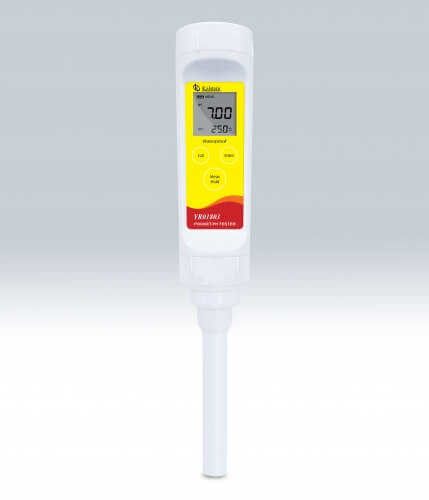
Portable pH meters are crucial tools for measuring the acidity or alkalinity of various samples in different laboratory environments. Their portability allows for flexible use, whether in field applications or routine laboratory analysis. By connecting these devices with a LIMS, laboratories can significantly improve data accuracy and management, enhancing the overall workflow.
Benefits of LIMS Integration for Portable pH Meters
LIMS integration provides multiple benefits, including real-time data access, improved traceability, and enhanced compliance with industry standards. When portable pH meters are connected to a LIMS, data can be recorded instantly, eliminating manual entry errors and ensuring data integrity. Such integration also enables better tracking of calibration and maintenance schedules, which is vital for compliance with ISO/IEC standards.
Key Features of Portable pH Meters in the Context of LIMS
Portable pH meters come with various features that enhance their compatibility with LIMS. These include:
- Data Logging: Many portable pH meters can log data automatically, which can then be transferred to a LIMS for analysis.
- Calibration Settings: The ability to calibrate instruments according to NIST standards ensures that data recorded in LIMS is reliable.
- Temperature Compensation: Automatic temperature compensation ensures accurate readings that are crucial for data integrity.
Comparison of Available Models
| Model | pH Range | Calibration Points | Temperature Compensation | Best for |
|---|---|---|---|---|
| YR01803 | -1.00 to 15.00 pH | 1 to 3 points | Automatic | Small sample measurements |
| YR01804 | -1.00 to 15.00 pH | 1 to 3 points | Manual | Outdoor applications |
| YR01800 | -1.00 to 15.00 pH | 1 to 3 points | Automatic | General laboratory use |
| YR01802 | -1.00 to 15.00 pH | 1 to 3 points | Automatic | Measuring semi-solids |
| YR01800-1 | -1.00 to 15.00 pH | 1 to 3 points | Automatic | General portability |
Common Mistakes and How to Avoid Them
When integrating portable pH meters with LIMS, laboratories often encounter several pitfalls. Common mistakes include:
- Neglecting Calibration: Regular calibration is vital. Failing to maintain calibration can lead to inaccurate results, undermining data integrity.
- Underestimating Training Needs: Users must be adequately trained on both the pH meters and the LIMS software to maximize efficiency.
- Ignoring Data Security: Implementing robust data security measures is essential to protect sensitive laboratory data.
Key Considerations for Successful LIMS Integration
Before integrating portable pH meters with LIMS, several factors should be assessed. These include:
- Compatibility: Ensure that the chosen pH meters are compatible with the LIMS in use, especially regarding data formats and protocols.
- Infrastructure: Assess whether the current laboratory infrastructure can support the integration, including network capacity and existing software.
- Cost-Benefit Analysis: Conduct a thorough analysis to understand the potential return on investment (ROI) from the integration process.
Frequently Asked Questions
What are the best practices for integrating portable pH meters with LIMS?
Integrating portable pH meters with LIMS involves ensuring compatibility, maintaining regular calibration for accuracy, and providing adequate training for users. Choosing models like the YR01803, which supports automatic calibration and logging, can streamline data management.
How does LIMS integration improve data accuracy for portable pH meters?
LIMS integration improves data accuracy by automating data entry, reducing human error. For instance, the YR01804 has a manual temperature compensation feature that, when managed through LIMS, guarantees precise data logging.
What features should I look for in portable pH meters for LIMS integration?
Look for features such as automatic data logging, calibration settings, and compatibility with data formats used in LIMS. Models like the YR01802, which offer flat surface electrodes, are excellent for specific measurements and integration flexibility.
How can I ensure compliance with ISO standards using portable pH meters?
To ensure compliance with ISO standards, choose portable pH meters like the YR01803 that support NIST buffer calibration and automatic temperature compensation, which are critical for maintaining data integrity in regulatory environments.
What role does temperature compensation play in pH measurements?
Temperature compensation is essential for accurate pH measurements as temperature variations can affect readings. The YR01800 provides automatic temperature compensation to enhance measurement accuracy during integration with LIMS.
What are the costs involved in integrating portable pH meters with LIMS?
Costs can vary based on the models chosen and the LIMS system in place. Models like the YR01804, priced at $75, can be a cost-effective choice for laboratories aiming to improve efficiency through integration.
Which portable pH meter is best for outdoor applications with LIMS?
The YR01804 is well-suited for outdoor applications, featuring a durable design and manual temperature compensation, making it ideal for scenarios where real-time data integration with LIMS is required.
How frequently should portable pH meters be calibrated for optimal performance?
Portable pH meters should be calibrated regularly, ideally before each use or at least daily in high-frequency settings. Models like the YR01802 allow for 1 to 3-point calibration, ensuring consistent accuracy.
By understanding the integration of portable pH meters with LIMS, laboratories can better manage data flow, enhance accuracy, and comply with industry standards. If you are looking for a fusion of innovation and quality, you have come to the right place. At Kalstein, we offer you the luxury of exploring our exclusive catalog of laboratory equipment. We manufacture every device to the highest standards of excellence. Our intuitive and seamless online purchasing channels are designed for your convenience, securing the most competitive prices. Hesitate no longer — we bring science to life, it is time to become part of our community.