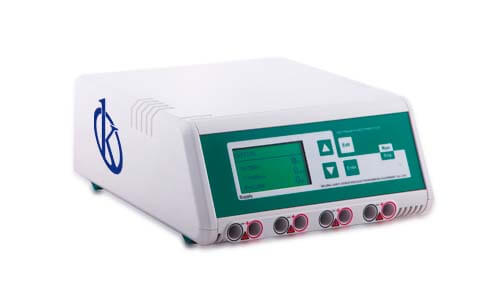
How to Optimize Energy Sustainability with Universal Power Supplies
In the quest for greater energy sustainability within laboratory settings, universal power supplies (UPS) play a critical role. As laboratories strive to minimize their environmental footprint, selecting the right universal power supply becomes essential. This article explores various models in the context of energy sustainability, comparing their features and benefits while providing practical strategies for efficient energy management.
Understanding Energy Sustainability in Laboratories
Energy sustainability pertains to the ability to maintain energy resources without compromising the environment. In laboratory settings, this often involves reducing energy consumption, minimizing waste, and enhancing operational efficiency. Universal power supplies, with their various configurations and functionalities, contribute significantly to achieving these goals. By investing in the right models, laboratories can optimize their energy usage and reduce their operational costs.
Comparison of Available Models
| Model | Operating Range | Output Type | Power Capacity (W) | Energy Efficiency Features | Recommended Use |
|---|---|---|---|---|---|
| YR03400-2 | 10–600 V, 1–500 mA | Constant Voltage, Current, Power | 300 | Smart Fault Alerts | Research requiring high precision |
| YR03396-2 | 5–300 V, 1–400 mA | Constant Voltage, Current, Power | 120 | Memory Functionality | Routine testing |
| YR03395-2 | 5–200 V, 1–2000 mA | Constant Voltage, Current, Power | 200 | Automatic Detection | High Current Applications |
| YR03397-2 | 5–300 V, 1–1500 mA | Constant Voltage, Current, Power | 450 | Step Control | Complex Experiments |
| YR03398-2 | 10–600 V, 1–500 mA | Constant Voltage, Current, Power | 300 | Multiple Output Configurations | Flexible Testing Setups |
| YR03399-2 | 10–600 V, 1–500 mA | Constant Voltage, Current, Power | 300 | Real-Time Tuning | High-Throughput Applications |
Key Features Enhancing Energy Sustainability
Universal power supplies integrate various features that strengthen energy sustainability initiatives in laboratories. For instance, models like the YR03400-2 and YR03396-2 come equipped with intelligent microprocessor control, enabling precise output management. This allows users to adjust settings in real-time, ensuring that only the necessary energy is consumed during operations.
Moreover, the YR03395-2 model offers automatic fault detection, which not only enhances operational efficiency but also minimizes the potential for energy wastage due to equipment failure. By choosing models with these advanced capabilities, laboratories can significantly reduce their environmental impact.
Strategies for Energy Optimization in Laboratory Settings
Implementing effective strategies for energy optimization is crucial for laboratories aiming to enhance sustainability. Here are several approaches that can be utilized:
- Regular Maintenance: Ensuring that power supplies are regularly maintained can prevent energy loss due to malfunction or inefficiency.
- Energy Monitoring: Utilizing models with built-in energy monitoring features can help laboratories track their energy consumption and identify areas for improvement.
- Load Management: Distributing load evenly across multiple power supplies can help in managing energy use more effectively.
Cost-Benefit Analysis of Different Models
When considering energy-efficient models, it’s essential to perform a cost-benefit analysis. By evaluating the initial investment against the long-term savings achieved through energy efficiency, laboratories can make informed decisions. For example, while the YR03397-2 has a higher price point, its advanced features may yield greater energy savings over time.
| Model | Initial Cost (USD) | Estimated Annual Energy Savings (USD) | Payback Period (Years) |
|---|---|---|---|
| YR03400-2 | 423.00 | 50.00 | 8.46 |
| YR03396-2 | 405.00 | 45.00 | 9.00 |
| YR03395-2 | 496.80 | 55.00 | 9.04 |
| YR03397-2 | 505.80 | 60.00 | 8.43 |
| YR03398-2 | 505.80 | 60.00 | 8.43 |
| YR03399-2 | 579.60 | 65.00 | 8.90 |
Common Mistakes and How to Avoid Them
When transitioning to energy-efficient laboratory practices, laboratories often encounter common pitfalls. Below are some mistakes to avoid:
- Neglecting Regular Training: Ensure that staff is regularly trained on the energy management features of new power supplies to utilize them effectively.
- Underestimating the Importance of Specifications: Avoid choosing a model based solely on price; instead, consider how well the specifications align with your laboratory's needs.
- Ignoring Utility Incentives: Many regions offer incentives for adopting energy-efficient equipment. Be sure to research and capitalize on these opportunities.
Frequently Asked Questions
How can universal power supplies help reduce energy consumption in labs?
Universal power supplies like the YR03400-2 and YR03396-2 are designed with various energy-saving features, including smart fault alerts and automatic detection of issues that lead to wastage. By optimizing the output based on demand, these models significantly lower energy consumption.
What energy efficiency features should I look for in a universal power supply?
Look for models like the YR03397-2 that offer intelligent microprocessor controls, real-time monitoring, and automatic fault detection. These features help ensure that energy is used efficiently, reducing the overall environmental footprint.
How does the cost of energy-efficient power supplies compare over time?
While the initial investment may be higher for models like the YR03399-2, the long-term savings on energy bills can justify the cost. For example, you could save approximately $65 annually, leading to a payback period of under 9 years.
Which model is best for minimizing environmental impact in a laboratory?
The YR03400-2 model is particularly effective in minimizing environmental impact due to its ability to operate at high efficiencies while providing precise voltage control. Its intelligent features help reduce energy waste significantly.
What is the typical lifespan of a universal power supply in a lab environment?
Most universal power supply models such as the YR03396-2 are designed for durability, often lasting over 10 years with proper maintenance. Regular checks can prolong lifespan and ensure optimal performance.
How is energy sustainability measured in laboratory settings?
Energy sustainability in labs can be measured using metrics such as kWh per test, operational efficiency, and overall energy consumption reductions achieved. Models like the YR03395-2 can aid in this measurement by providing detailed monitoring data.
What are the best practices for integrating energy-efficient power supplies into laboratory workflows?
Integrating models like the YR03398-2 involves assessing current energy usage, training staff on new technologies, and regularly reviewing performance metrics to ensure compliance with sustainability goals.
How can laboratories benefit from adopting energy-efficient power supplies?
Laboratories can significantly reduce operational costs and minimize their environmental footprint by switching to energy-efficient power supplies such as the YR03399-2. This not only supports sustainability efforts but also enhances overall operational efficiency.
If you are looking for a fusion of innovation and quality, you have come to the right place. At Kalstein, we offer you the luxury of exploring our exclusive catalog of laboratory equipment. We manufacture every device to the highest standards of excellence. Our intuitive and seamless online purchasing channels are designed for your convenience, securing the most competitive prices. Hesitate no longer — we bring science to life, it is time to become part of our community.