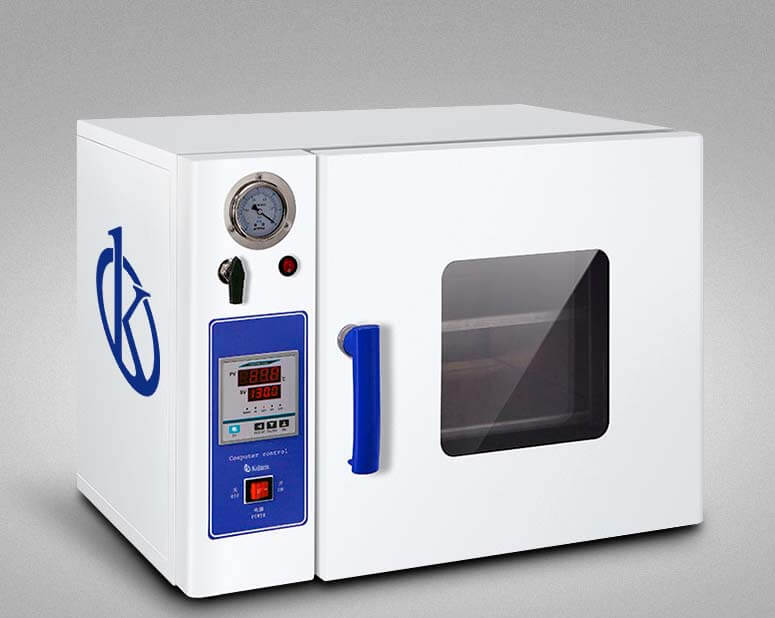
How to Optimize Energy Sustainability with Vacuum Drying Ovens
In today’s laboratory environments, energy sustainability is a critical focus, guiding the choice of equipment, operational practices, and overall lab management. Vacuum drying ovens are essential tools widely used in various fields, including biochemical research, pharmaceuticals, and environmental studies. This article will delve into how these ovens can minimize energy consumption and reduce the environmental footprint, comparing multiple models that exemplify efficiency and performance.
Understanding Energy Sustainability in Laboratory Practices
Energy sustainability refers to the ability to meet current energy needs without compromising future generations' ability to meet their own needs. In laboratories, achieving this requires an analysis of energy consumption, waste reduction, and the implementation of energy-efficient technologies. Vacuum drying ovens contribute significantly to this goal by using low temperatures under vacuum conditions to dry materials, thus lowering energy use. By optimizing operational parameters, laboratories can significantly reduce their carbon footprint.
Comparison of Available Models
| Model Code | Temperature Range (°C) | Power Consumption (kW) | Best Use Case | Price (USD) |
|---|---|---|---|---|
| YR05260-A | RT + 5 ~ 250 | 0.9 | Ideal for heat-sensitive materials | 330.00 |
| YR05261-A | RT + 5 ~ 250 | 0.9 | Suitable for complex and oxidizable materials | 460.00 |
| YR05262-SS | RT + 5 ~ 250 | 1.4 | Perfect for laboratory research and sterilization | 400.00 |
| YR05263-SS | RT + 5 ~ 250 | 1.4 | Excellent for drying powders and disinfecting glassware | 590.00 |
| YR05264-A | RT + 5 ~ 250 | 0.9 | Best for sensitive samples needing quick drying | 690.00 |
| YR05265-SS | RT + 5 ~ 250 | 1.4 | Suitable for environmental and agricultural research | 845.00 |
Energy Consumption and Efficiency of Vacuum Drying Ovens
The operation of vacuum drying ovens can be optimized to enhance energy efficiency. A typical vacuum drying oven operates using significantly less energy than conventional ovens due to the reduced boiling point of solvents in a vacuum environment. For instance, the YR05260-A model has a power consumption of just 0.9 kW, making it an efficient choice for laboratories focusing on eco-friendly practices. By maintaining lower temperatures and using less energy overall, these ovens not only benefit the environment but also reduce operating costs for laboratories.
Lifecycle Assessment of Vacuum Drying Ovens
A lifecycle assessment (LCA) provides a comprehensive overview of the environmental impact of vacuum drying ovens from production to disposal. Factors considered include energy use during operation, material sourcing, production emissions, and end-of-life disposal. Choosing models like the YR05261-A can lead to lower energy usage and reduced emissions throughout their lifecycle. Laboratories can further enhance sustainability by ensuring proper disposal and recycling of units at the end of their operational life.
Common Mistakes and How to Avoid Them
When considering the use of vacuum drying ovens, laboratories often make several common mistakes that can undermine energy efficiency. One mistake is not conducting regular maintenance, which can lead to increased energy consumption due to inefficiencies. Another is overloading the ovens, which can compromise drying efficiency and increase drying times, leading to higher energy use. Regular training on operational best practices and maintenance schedules can help labs avoid these pitfalls and optimize the use of their equipment.
Reducing Environmental Footprint in Laboratory Operations
Reducing a laboratory's environmental footprint involves a holistic approach that includes energy sustainability practices. Utilizing vacuum drying ovens can significantly lower water and reagent consumption. Additionally, these ovens often feature insulation and energy-efficient designs that minimize heat loss, further reducing energy requirements. Laboratories should consider implementing a monitoring system for energy consumption to identify areas for improvement and ensure standards are met.
Integrating Vacuum Drying Ovens in Sustainable Laboratory Design
Integrating vacuum drying ovens into sustainable laboratory designs is essential as it allows for reduced energy footprints. For example, using the YR05262-SS model in a cleanroom setting can enhance energy efficiency, contributing to the overall sustainability goal. Designing labs with energy-efficient workflows, incorporating renewable energy sources, and minimizing waste practices can create an environment that supports both operational efficiency and sustainability.
Frequently Asked Questions
How do vacuum drying ovens reduce energy consumption in lab settings?
Vacuum drying ovens like the YR05260-A operate at lower temperatures, which significantly reduces energy usage compared to conventional drying methods. By using a vacuum environment, these ovens lower the boiling point of solvents, enabling efficient drying processes without high energy input.
What energy efficiency standards should vacuum drying ovens meet?
Models such as the YR05261-A are designed to meet energy efficiency standards, ensuring they operate with minimal energy waste. Laboratories should look for ovens that are compliant with environmentally friendly certifications and standards to ensure sustainability in operations.
Which vacuum drying oven is best for sensitive materials?
The YR05264-A vacuum drying oven is particularly well-suited for sensitive materials that require careful handling and efficient drying processes. Its design minimizes heat exposure while effectively maintaining drying efficiency under vacuum conditions.
How can laboratories ensure compliance with sustainability practices using vacuum dryers?
Laboratories can ensure compliance by choosing models like the YR05262-SS, which are built with energy-efficient features. Regular audits of energy consumption and operational practices help identify areas for enhancement, aligning with sustainability goals.
What is the impact of vacuum drying ovens on laboratory waste reduction?
Using vacuum drying ovens such as the YR05263-SS can significantly reduce waste by allowing for precise drying of materials, thereby minimizing the need for excess solvents and reagents. This efficiency leads to lower waste production in laboratory environments.
What are the best practices for maintaining vacuum drying ovens for energy efficiency?
Regular maintenance and calibration of models like the YR05265-SS are crucial for ensuring energy efficiency. This includes cleaning, checking for leaks, and ensuring that seals are tight to maintain vacuum integrity, ultimately improving performance and reducing energy use.
How do vacuum drying ovens contribute to laboratory sustainability initiatives?
Vacuum drying ovens contribute to sustainability initiatives by utilizing less energy for drying tasks, thus minimizing greenhouse gas emissions. Models like the YR05264-A are designed to enhance energy efficiency and should be prioritized in sustainable laboratory efforts.
How can I choose a vacuum drying oven that aligns with sustainability goals?
When selecting a vacuum drying oven, consider models such as the YR05261-A, which have been optimized for energy efficiency and are made from sustainable materials. Evaluate their energy consumption rates and lifecycle impacts to ensure they meet sustainability goals.
If you are looking for a fusion of innovation and quality, you have come to the right place. At Kalstein, we offer you the luxury of exploring our exclusive catalog of laboratory equipment. We manufacture every device to the highest standards of excellence. Our intuitive and seamless online purchasing channels are designed for your convenience, securing the most competitive prices. Hesitate no longer — we bring science to life, it is time to become part of our community.