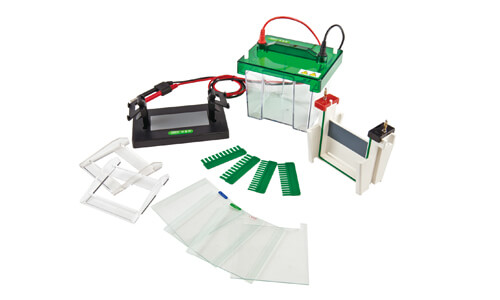
How to Optimize Energy Sustainability in Vertical Electrophoresis Systems?
In the realm of laboratory equipment, vertical electrophoresis systems play a crucial role in protein analysis and separation. However, energy consumption and environmental impact are increasingly important considerations for laboratories seeking to reduce their carbon footprint. This article explores various techniques and strategies to enhance energy sustainability in vertical electrophoresis systems, focusing on specific models and their efficiencies.
Understanding Vertical Electrophoresis and Its Energy Demands
Vertical electrophoresis is a method used to separate proteins based on their size and charge. It requires precise control over temperature and voltage, both of which contribute to energy usage. Understanding the energy consumption of these systems is essential for laboratories aiming to implement greener practices.
Energy Consumption in Vertical Electrophoresis: Key Factors
Multiple factors influence the energy consumption of vertical electrophoresis systems, including:
- The model's design and efficiency
- Operating conditions, such as voltage and run time
- The type of gel and buffers used
- Cooling requirements during operation
By analyzing these factors, laboratories can make informed decisions to reduce their energy demands.
Comparative Analysis of Vertical Electrophoresis Models
To provide a comprehensive understanding of various vertical electrophoresis systems, we will compare several models based on energy efficiency and environmental impact. Table 1 outlines key specifications of each model.
| Model | Power Consumption (W) | Sample Volume (ml) | Gel Thickness (mm) | Best Use Case |
|---|---|---|---|---|
| YR03425 | 150 | 11-15 | 0.75, 1.0, 1.5 | Protein separation |
| YR03426 | 200 | 11-15 | 1.0, 1.5 | Multi-sample analysis |
| YR03427 | 180 | 11-60 | 1.0 | High-throughput applications |
| YR03428 | 220 | 25-52 | 1.0 | Large sample volume |
| YR03429 | 240 | 25-52 | 1.0 | Extended protein profiling |
| YR03430 | 210 | 25-52 | 1.0 | Rapid results |
Implementing Energy-Saving Techniques in Electrophoresis
Laboratories can implement various techniques to save energy while using vertical electrophoresis systems:
- Optimize Voltage Settings: Running electrophoresis at lower voltages can significantly reduce energy consumption while still achieving effective results.
- Minimize Run Time: Optimize sample preparation and gel loading to reduce the time each run takes, thereby saving energy.
- Use Efficient Cooling Systems: Employing efficient cooling systems can help maintain optimal temperatures without excessive energy use.
- Select Energy-Efficient Models: Choosing models like YR03425 or YR03430, known for their lower energy consumption, can lead to substantial savings.
Reducing Reagent and Water Consumption
Aside from energy savings, reducing the consumption of reagents and water is crucial for sustainability. Laboratories can implement the following strategies:
- Reusing Gel Electrophoresis Buffers: Recycling buffers after runs can reduce overall reagent use.
- Batch Processing: Running multiple samples simultaneously can decrease the total number of runs and thus minimize reagent and water use.
- Adopting Modular Gel Systems: Systems like YR03428 allow for the preparation of multiple gels efficiently, reducing waste.
Lifecycle Assessment of Vertical Electrophoresis Systems
Conducting a lifecycle assessment (LCA) can help laboratories evaluate the environmental impact of their vertical electrophoresis systems. A detailed LCA includes:
- Manufacturing processes and materials used
- Energy consumption during operation
- End-of-life disposal and recycling options
By assessing these factors, laboratories can identify opportunities for improvement and sustainability.
Comparison of Available Models
In the comparison table below, we analyze the energy efficiency and operational costs of various vertical electrophoresis models. This assists laboratories in making informed purchasing decisions.
| Model | Energy Consumption (kWh per run) | Cost per run (USD) | Best Application |
|---|---|---|---|
| YR03425 | 0.15 | 3.05 | Basic protein analysis |
| YR03426 | 0.20 | 4.05 | Intermediate analysis |
| YR03427 | 0.18 | 5.17 | High-throughput analysis |
| YR03428 | 0.22 | 6.30 | Large volume testing |
| YR03429 | 0.24 | 7.50 | Extensive profiling |
| YR03430 | 0.21 | 6.00 | Rapid analysis |
Common Mistakes and How to Avoid Them
Laboratories often face challenges when attempting to enhance energy sustainability. Common mistakes include:
- Neglecting Model Specifications: Always consider the energy parameters detailed in product specifications before purchasing.
- Ignoring Maintenance: Poorly maintained equipment can lead to increased energy consumption. Regular maintenance is essential.
- Overlooking Sample Preparation: Inadequate sample preparation can extend run times, wasting energy and resources.
By being aware of these pitfalls, laboratories can effectively enhance their energy sustainability.
Frequently Asked Questions
How does the YR03425 model improve energy efficiency in vertical electrophoresis?
The YR03425 model incorporates design features that allow for lower power consumption, typically around 150 watts per run. This model is ideal for laboratories needing to maintain energy sustainability in their electrophoresis applications.
What is the energy consumption of the YR03430 vertical electrophoresis model?
The YR03430 model has a power consumption of approximately 210 watts per run, making it a suitable option for labs focusing on rapid and efficient protein analysis while managing their energy footprint.
Which vertical electrophoresis system offers the best balance of energy savings and performance?
The YR03425 model is noted for its energy efficiency, with a power consumption of 150 watts, which balances high performance with lower energy costs, making it an excellent choice for sustainable laboratory practices.
How can I reduce the environmental footprint of my vertical electrophoresis lab?
Implementing energy-saving techniques such as optimizing voltage settings and reducing run times can significantly lower the environmental footprint. Models like YR03426 support these practices effectively.
What considerations should I make when choosing a vertical electrophoresis model for sustainability?
When selecting a model, consider its energy consumption, sample capacity, and type of gel. The YR03428 is ideal for large-scale testing while maintaining energy efficiency through its design.
How can I minimize water usage in vertical electrophoresis?
Reusing buffers and adopting batch processes can significantly minimize water usage in vertical electrophoresis. Models such as YR03430 facilitate multiple sample processing, thus reducing overall water consumption.
What maintenance practices enhance the efficiency of vertical electrophoresis systems?
Regular maintenance, including cleaning, calibration, and inspection, is crucial to ensure optimal performance and energy efficiency of vertical electrophoresis systems like YR03429.
Which model is best for high-throughput applications with sustainable practices?
The YR03427 model is specifically designed for high-throughput applications and offers features that help laboratories maintain sustainability without compromising performance.
If you are looking for a fusion of innovation and quality, you have come to the right place. At Kalstein, we offer you the luxury of exploring our exclusive catalog of laboratory equipment. We manufacture every device to the highest standards of excellence. Our intuitive and seamless online purchasing channels are designed for your convenience, securing the most competitive prices. Hesitate no longer — we bring science to life, it is time to become part of our community.