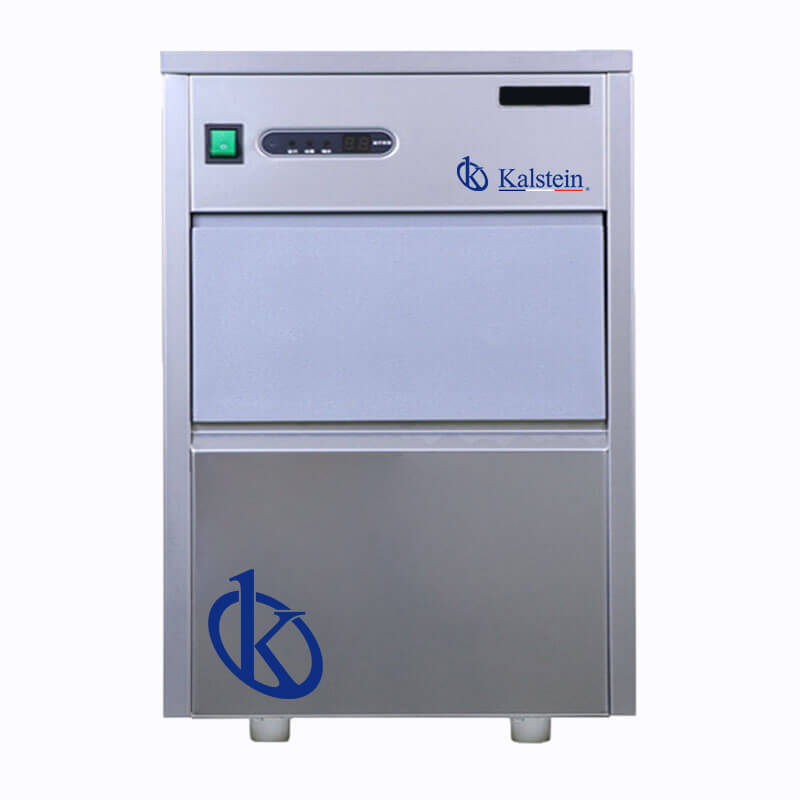
How to Optimize the Integration of Ice Machines with LIMS for Enhanced Data Flow
In modern laboratories, optimizing workflows is critical to ensuring efficiency and maintaining high-quality standards. Ice machines play a pivotal role in various laboratory settings, including medical, biological, and chemical analysis. Integrating these machines with Laboratory Information Management Systems (LIMS) enhances data flow, ensuring seamless operations and accurate data management. This article explores the significance of integrating ice machines with LIMS and provides insights into the available models.
Understanding Ice Machines and Their Role in Laboratories
Ice machines are essential in laboratories that require precise temperature control and sample preservation. They provide reliable ice production, which is crucial for maintaining the integrity of biological samples, reagents, and other laboratory materials. This section will delve into the specific features and functionalities of various ice machine models that cater to the unique needs of laboratories.
Benefits of Integrating Ice Machines with LIMS
Integrating ice machines with LIMS offers multiple benefits, including improved data accuracy, enhanced traceability, and streamlined workflows. By connecting ice machines to LIMS, laboratories can automate data entries related to ice production and consumption, minimizing the chances of human error. Furthermore, this integration facilitates real-time monitoring of ice usage, contributing to better resource management.
Key Features to Consider When Integrating Ice Machines with LIMS
When choosing an ice machine for LIMS integration, it's vital to consider several features. Connectivity options, such as REST APIs and ASTM protocols, ensure seamless communication between the ice machine and LIMS. Other features include storage capacity, production rates, and energy efficiency. Understanding these specifications can guide laboratories in selecting the best ice machine that meets their operational needs.
Comparison of Available Models
| Model | Ice Production Capacity (Kg/24h) | Storage Capacity (Kg) | Power (W) | Integration Capability | Best For |
|---|---|---|---|---|---|
| YR05130 | 20 | 10 | 280 | REST API | Small laboratories |
| YR05131 | 30 | 10 | 300 | ASTM Protocol | Medical labs |
| YR05132 | 40 | 15 | 360 | REST API | Biological labs |
| YR05133 | 50 | 15 | 380 | ASTM Protocol | Research labs |
| YR05134 | 60 | 25 | 420 | REST API | High-volume labs |
| YR05135 | 70 | 25 | 460 | ASTM Protocol | Large laboratories |
Common Mistakes and How to Avoid Them
One common mistake laboratories make when integrating ice machines with LIMS is underestimating the importance of data accuracy. Inaccurate data entry can lead to mismanagement of resources and affect the quality of laboratory outputs. To avoid this, laboratories should ensure that all personnel are trained on the integration process and that regular audits are conducted to maintain data integrity.
Frequently Asked Questions
How can I ensure my ice machine is compliant with LIMS integration protocols?
To ensure compliance, select ice machines like the YR05134, which supports REST API connectivity, making integration with LIMS straightforward and efficient. Always verify that the protocols used meet your laboratory's specific requirements for data management.
Which ice machine is best for a high-capacity laboratory requiring LIMS integration?
The YR05135 is optimal for high-capacity laboratories as it produces 70 Kg of ice per 24 hours and supports ASTM protocols for LIMS integration. This combination enhances operational efficiency while meeting high demand.
What are the energy efficiency benefits of modern ice machines integrated with LIMS?
Modern ice machines like the YR05134 provide energy-efficient operations, producing 60 Kg of ice per day while consuming only 420 W. Integrating these machines with LIMS allows for real-time monitoring of energy usage, promoting sustainable laboratory practices.
How does LIMS integration improve ice management in laboratories?
LIMS integration helps track ice production and consumption, reducing wastage and optimizing inventory management. For example, integrating the YR05130 allows laboratories to monitor ice usage patterns, ensuring they meet operational requirements efficiently.
What is the typical lifespan of ice machines when integrated with LIMS?
On average, ice machines like the YR05131 have a lifespan of several years, especially when integrated with LIMS for optimal monitoring and maintenance. Regular checks can ensure the machine operates efficiently throughout its life cycle.
Which features are essential for reliable ice machines in laboratory settings?
Key features include high ice production capacity, energy efficiency, and LIMS integration capabilities. The YR05132 stands out with its 40 Kg production rate and reliable connectivity options, making it ideal for laboratory environments.
How is data accuracy ensured during LIMS integration of ice machines?
Data accuracy is achieved by selecting models like the YR05133, which comes equipped with advanced monitoring features. Regular training and audits should reinforce the importance of accurate data entry in LIMS integration.
What factors should I consider when choosing an ice machine for LIMS?
Consider ice production capacity, energy efficiency, and connectivity options. The YR05134, for instance, offers 60 Kg production, supports REST API, and is energy-efficient, making it an excellent choice for integrated systems.
If you are looking for a fusion of innovation and quality, you have come to the right place. At Kalstein, we offer you the luxury of exploring our exclusive catalog of laboratory equipment. We manufacture every device to the highest standards of excellence. Our intuitive and seamless online purchasing channels are designed for your convenience, securing the most competitive prices. Hesitate no longer — we bring science to life, it is time to become part of our community.