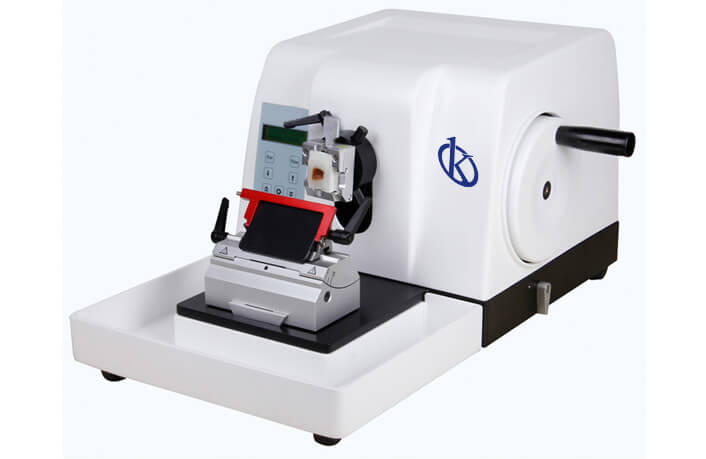
How to Optimize Microtome Performance with LIMS Integration and Data Digitalization
Microtomes are essential tools in histology and pathology, helping to slice tissues into thin sections for examination. As laboratories evolve, the need for seamless integration and data digitalization becomes crucial. This article explores how to enhance the performance of microtomes within the context of LIMS (Laboratory Information Management Systems) integration, ensuring a more efficient workflow and improved data management.
Understanding the Importance of LIMS Integration for Microtomes
LIMS integration facilitates the management of samples, data, and laboratory workflows, making it easier to track and analyze results. By connecting microtomes with LIMS, laboratories can automate the data entry process, reduce errors, and enhance the reproducibility of test results. This integration is critical for laboratories aiming to meet compliance standards and improve overall efficiency.
Transforming Data Management in Histopathology with Digitalization
The digitalization of data in histopathology not only streamlines workflows but also enhances the accuracy of reporting and analysis. Digital records enable easy access to patient data, improving the turnaround time for histological analysis. Moreover, digitalized data can be easily backed up, ensuring that critical information is preserved and readily available for audits or reviews.
Key Features of Microtomes in LIMS-Integrated Environments
When selecting microtomes for a LIMS-integrated laboratory, consider models that offer advanced specifications and compatibility with digital systems. For example, features such as precise cut thickness adjustments, user-friendly interfaces, and compatibility with various tissue types can significantly enhance workflow efficiency.
Comparison of Available Models
| Model | Cutting Thickness Range | Integration Capability | Best For | Price (USD) |
|---|---|---|---|---|
| YR417-1 | 0.25 μm - 60 μm | Basic integration | General histology | 5200.00 |
| YR416 | 0.25 μm - 60 μm | Moderate integration | High-demand applications | 3600.00 |
| YR417 | 1 μm - 60 μm | Comprehensive integration | Research labs | 4000.00 |
| YR420 | 1 μm - 500 μm | Basic integration | Histology | 2400.00 |
| YR421 | 1 μm - 500 μm | Moderate integration | Pathological labs | 2400.00 |
| YR422 | 1 μm - 500 μm | High integration | Clinical workflows | 1200.00 |
Common Mistakes and How to Avoid Them
One common mistake in laboratories is underestimating the importance of LIMS compatibility when selecting microtomes. Ensure that the chosen model supports the necessary integration protocols. Additionally, neglecting to train staff on the use of new systems can hinder the benefits of integration. Regular training sessions and updates can mitigate this issue, ensuring that all lab staff are proficient with the technologies in use.
Maximizing Productivity through Digital Workflow Optimization
Integrating microtomes with LIMS allows for enhanced tracking of tissue samples throughout the entire process. By automating sample logging and data collection, laboratories can significantly increase throughput. For instance, a well-implemented LIMS can reduce the time spent on manual data entry, allowing technicians to focus more on the actual preparation and analysis of samples.
Enhancing Compliance and Quality Assurance with LIMS
Compliance with regulatory standards is a critical aspect of laboratory operations. LIMS integration ensures that all data is recorded accurately, which is essential for audits and quality checks. Many LIMS systems conform to ISO/IEC standards, providing traceability and facilitating easier quality assurance processes. Choosing a microtome that aligns with these standards, such as the YR416, can help laboratories maintain compliance while optimizing their workflows.
Frequently Asked Questions
How does LIMS integration improve the performance of microtome YR417?
LIMS integration enhances the performance of the microtome YR417 by automating data entry, reducing human error, and ensuring precise documentation of cut parameters. The YR417's features promote a reliable workflow, benefitting from a structured data management approach within the laboratory.
What are the key features of microtome series models that support digitalization?
Key features of microtome series models supporting digitalization include customizable cut thickness settings, data entry integration compatibility, and user-friendly interfaces that streamline workflows. Models like YR416 and YR422 are designed to meet these requirements efficiently.
Which microtome model is best for high-throughput histopathology labs?
The microtome YR416 is ideal for high-throughput histopathology labs due to its stable cutting performance and quick adjustments for varying thickness requirements. Its compatibility with LIMS further enhances its utility in busy lab environments.
How can digital workflow benefit my laboratory's histology processes?
Digital workflows can benefit histology processes by streamlining data management, ensuring accurate sample tracking, and reducing manual errors. Implementing a LIMS-integrated microtome like YR417 can significantly enhance data handling and reporting accuracy.
What advantages does the microtome YR420 offer for laboratory automation?
The microtome YR420 offers several advantages for laboratory automation, including precision cutting capabilities and ease of integration with LIMS. This enhances operational efficiency and allows for continuous, high-quality section production, ideal for histological applications.
How much does a LIMS-integrated microtome typically cost?
A LIMS-integrated microtome can range in price from $1200 for models like YR422 to $5200 for advanced models like YR417-1. Investing in a model with better integration capabilities can enhance long-term efficiency and throughput.
What is the impact of data digitalization on tissue sample management?
Data digitalization has a significant impact on tissue sample management by enhancing tracking and accessibility of sample data. A model like the YR421, when integrated into a digital system, ensures that critical sample information is readily available for analysis and reporting.
What are the best practices for implementing LIMS with microtome models?
Best practices for implementing LIMS with microtome models include ensuring compatibility, providing thorough training for staff, and regularly reviewing workflows for continuous improvement. Model YR416 serves as a great example of a microtome that can seamlessly integrate with LIMS.
If you are looking for a fusion of innovation and quality, you have come to the right place. At Kalstein, we offer you the luxury of exploring our exclusive catalog of laboratory equipment. We manufacture every device to the highest standards of excellence. Our intuitive and seamless online purchasing channels are designed for your convenience, securing the most competitive prices. Hesitate no longer — we bring science to life, it is time to become part of our community.