How to Optimize Predictive Maintenance and Calibration for Blood Bank Refrigerators?
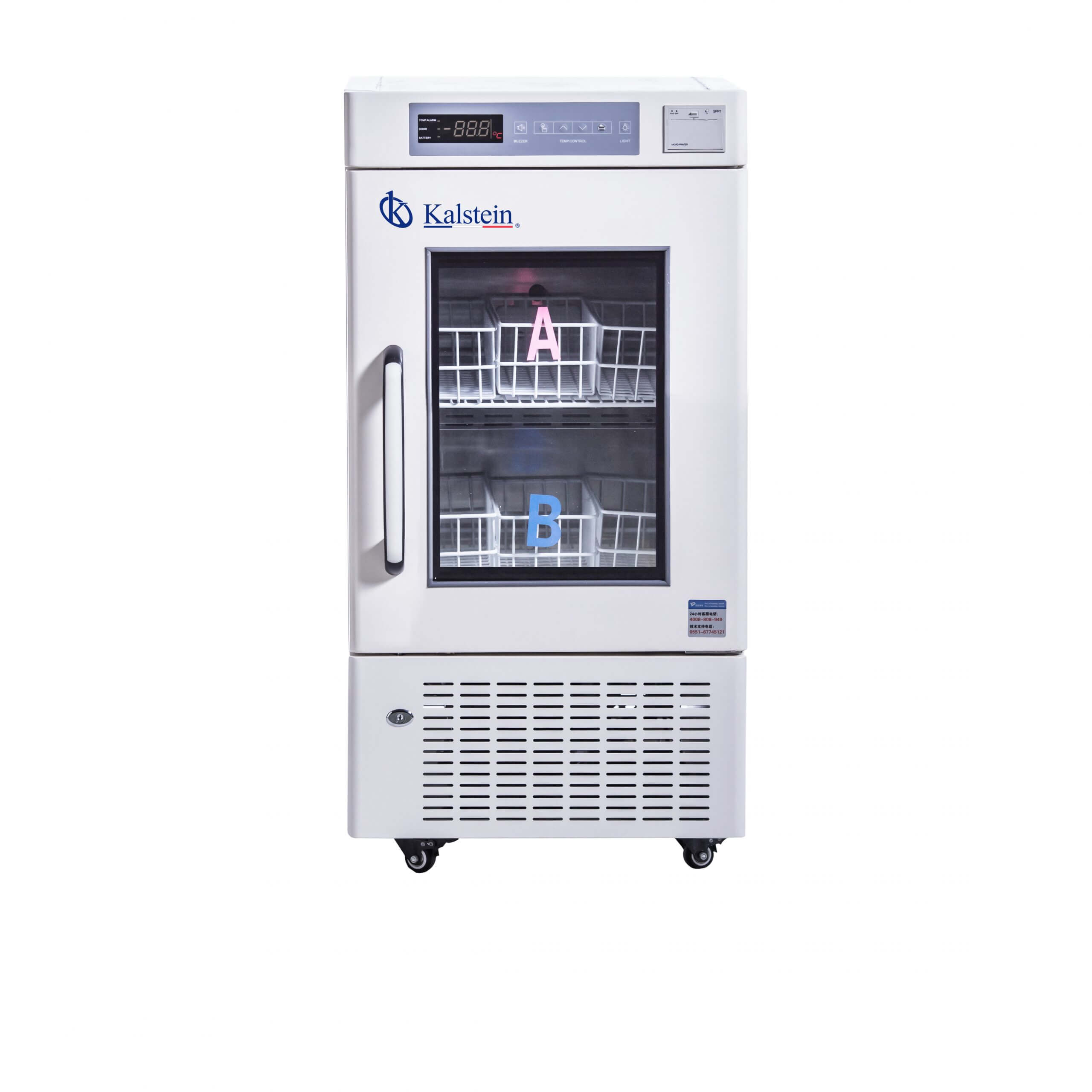
Efficient management of blood bank refrigerators is crucial for maintaining the integrity of blood and bioproduct storage. This article delves into the importance of predictive maintenance and periodic calibration, focusing on key models within the blood bank refrigerator category. Laboratory professionals will gain insights into best practices, compliance with standards, and optimization strategies.
Understanding Predictive Maintenance in Blood Bank Refrigerators
Predictive maintenance involves using data-driven analytics to predict when a refrigerator may fail, allowing preemptive repairs that minimize downtime. Implementing predictive maintenance in blood bank refrigerators not only ensures compliance with health standards but also prolongs the lifespan of the equipment.
Temperature consistency is paramount in blood storage, making regular data collection and analysis critical. This proactive approach can significantly reduce the risk of failure by identifying patterns or trends in performance deviations.
Calibration: Ensuring Accurate Temperature Control
Calibration is essential to ensure that blood bank refrigerators maintain the required storage temperature of 2-6 °C. Regular calibration against traceable standards guarantees accuracy in temperature readings. The recommended calibration frequency often varies by model and usage, but a general guideline is semi-annual checks.
Models such as the Blood Bank Refrigerator YR05091 and YR05092 incorporate advanced microprocessor controls that enhance reliability. The digital temperature displays allow for precise monitoring, ensuring that any deviations are promptly addressed.
Key Models Overview
When considering predictive maintenance and calibration for blood bank refrigerators, it is essential to evaluate different models based on their specifications and reliability. Below is a comparison of notable models:
Comparison of Available Models
| Model | Temperature Range (°C) | Cooling Method | Energy Consumption (kWh/24h) | Price (USD) |
|---|---|---|---|---|
| YR05091 | 2-6 | Forced Air | 1.95 | 800.00 |
| YR05092 | 2-6 | Forced Air | 2.22 | 1230.00 |
| YR05094 | 2-6 | Forced Air | 6.31 | 2275.00 |
| YR05098 | -10 to -25 | Direct Cooling | 3.4 | 1550.00 |
| YR05292 | 4±1 | Forced Air | Unknown | 3490.00 |
Common Mistakes and How to Avoid Them
Laboratory professionals often overlook the importance of routine maintenance and calibration. One common mistake is neglecting to document calibration results, which is essential for compliance with regulatory standards. Additionally, not training staff adequately on the operation of these refrigerators can lead to errors in settings and monitoring processes.
Another mistake is failing to use the correct calibration standards or intervals. Professionals should adhere to the manufacturer's guidelines and industry standards to ensure the reliability of temperature control.
Best Practices for Predictive Maintenance
Implementing a robust predictive maintenance strategy involves several key practices. Start with installing temperature monitoring systems that provide real-time data. Data analytics tools can also be beneficial; they help in analyzing performance trends to forecast potential failures.
Regular inspections and checks should be scheduled to evaluate the condition of the refrigerator components. For instance, the Blood Bank Refrigerator YR05094's forced air cooling system requires inspection for dust and blockages that can impede its performance.
Calibration Schedule and Documentation
Calibration schedules should be established based on the manufacturer’s instructions and laboratory practice standards. A sample calibration plan could include:
- Monthly checks of the temperature display against a traceable standard.
- Bi-annual full calibration of the system by a certified technician.
- Documentation of all calibration results in maintenance logs for compliance verification.
Frequently Asked Questions
How often should I calibrate my blood bank refrigerator for accurate storage?
Calibration of a blood bank refrigerator, such as the YR05092, should typically be performed semi-annually to maintain accurate temperature control and compliance with standards.
What is the importance of predictive maintenance for blood bank refrigerators?
Predictive maintenance is crucial as it helps to prevent unexpected failures and prolongs the lifespan of equipment like the Blood Bank Refrigerator YR05091 by ensuring optimal performance through data-driven insights.
Which blood bank refrigerator model offers the best energy efficiency?
The Blood Bank Refrigerator YR05091, with an energy consumption of only 1.95 kWh/24h, provides an excellent option for energy efficiency, making it ideal for labs aiming to reduce operating costs.
What features should I look for in a blood bank refrigerator for predictive maintenance?
When selecting a blood bank refrigerator, such as the YR05094, look for features like digital temperature displays, forced air cooling, and easy access for maintenance checks to facilitate predictive maintenance practices.
How can I ensure compliance with health standards for my blood bank refrigerator?
Ensure compliance by adhering to calibration schedules, maintaining proper documentation, and employing models like the Blood Bank Refrigerator YR05292 that offer advanced temperature control features.
What are the common failure modes in blood bank refrigerators?
Common failure modes include temperature fluctuations due to compressor failure or sensor malfunctions. Regular checks on models like YR05098 can help identify and mitigate these risks.
What is the average lifespan of a blood bank refrigerator?
The average lifespan of a blood bank refrigerator, depending on maintenance and usage, is typically around 10-15 years. Models like the YR05092 are designed for longevity when properly maintained.
How do I document calibration results for compliance?
Document calibration results by maintaining logs that detail the calibration date, technician involved, temperature readings, and any adjustments made. This practice is essential for compliance with regulations.
Conclusion
Optimizing predictive maintenance and calibration for blood bank refrigerators is essential for ensuring the safety and efficacy of blood storage. By understanding the importance of regular maintenance, proper calibration, and selecting the right models, laboratory professionals can enhance their operational efficiency.
If you are looking for a fusion of innovation and quality, you have come to the right place. At Kalstein, we offer you the luxury of exploring our exclusive catalog of laboratory equipment. We manufacture every device to the highest standards of excellence. Our intuitive and seamless online purchasing channels are designed for your convenience, securing the most competitive prices. Hesitate no longer — we bring science to life, it is time to become part of our community.