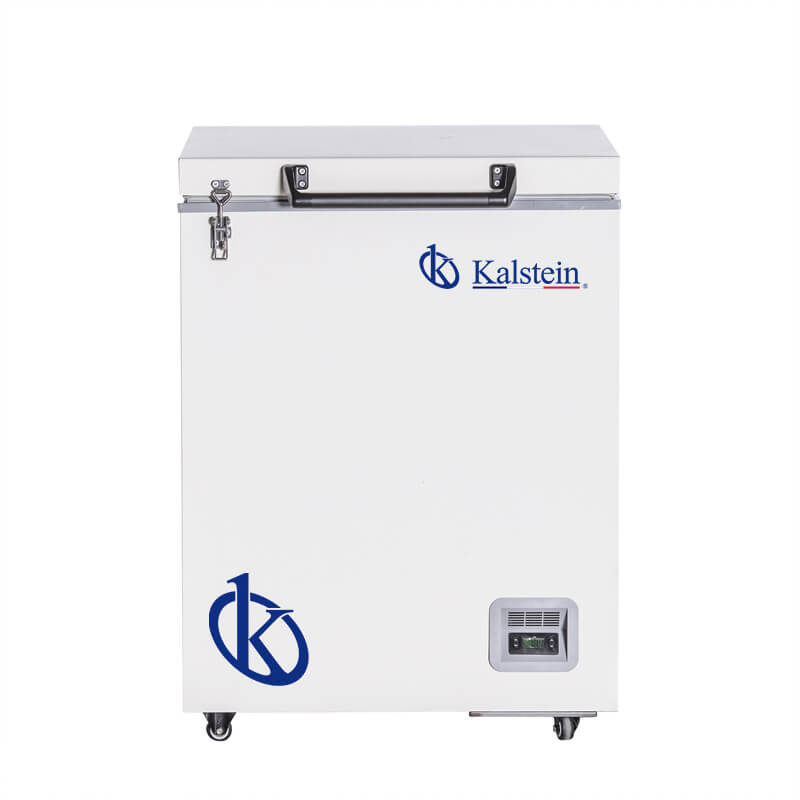
How to Optimize Predictive Maintenance and Calibration for Chest Freezers?
Chest freezers are essential equipment in laboratories, particularly for storing biological samples, reagents, and other materials that require stable low temperatures. Ensuring their optimal performance through predictive maintenance and regular calibration is crucial for laboratory efficiency. This article delves into effective strategies to maintain these vital units, focusing on predictive maintenance practices and calibration protocols that enhance reliability and performance.
Understanding Predictive Maintenance in Chest Freezers
Predictive maintenance involves using data and analytics to predict equipment failures before they occur. This proactive approach minimizes downtime and extends the lifespan of chest freezers. Laboratory professionals can implement various techniques, such as monitoring temperature logs and analyzing compressor performance, to anticipate issues. Moreover, integrating sensors can provide real-time feedback on unit performance, enabling timely interventions.
Calibration Protocols for Chest Freezers
Regular calibration of chest freezers is crucial to ensure that the units maintain the desired temperature ranges accurately. Calibration protocols typically involve using calibrated thermometers or data loggers to verify the temperature across various points within the freezer. A frequent calibration schedule, recommended every six months, ensures compliance with safety standards and operational accuracy.
Benefits of Predictive Maintenance for Laboratory Freezers
Implementing predictive maintenance for chest freezers offers numerous benefits, including reduced operational costs, improved equipment lifespan, and enhanced reliability. For instance, the Horizontal Freezer YR05102, with its microprocessor control and multiple malfunction alarms, allows for efficient monitoring, reducing potential faults and ensuring consistent operational performance.
Common Issues in Chest Freezers and How Predictive Maintenance Helps
Chest freezers can experience issues such as temperature fluctuations, compressor failures, and inadequate insulation. Predictive maintenance helps identify these problems early by analyzing data trends. For example, a minor increase in energy consumption may indicate an issue with the compressor in the Horizontal Freezer YR05103, allowing for prompt corrective actions.
Calibration Frequency and Its Importance
Calibration frequency is critical for maintaining the accuracy of chest freezers. A biannual calibration is often recommended for laboratory settings to comply with safety regulations. This regular check ensures that units like the Ultra Low Temperature Horizontal Freezer YR05314 perform optimally, maintaining temperatures as low as -86°C, which is essential for laboratory applications involving sensitive materials.
Comparison of Available Models
| Model | Temperature Range (°C) | Power Consumption (kWh/24h) | Best For |
|---|---|---|---|
| YR05102 | -10 to -40 | 1.65 | General laboratory use |
| YR05103 | -10 to -40 | 1.68 | Sample storage |
| YR05104 | -20 to -40 | 3.45 | Long-term storage |
| YR05314 | -40 to -86 | 11.5 | Biomedical applications |
| YR05313 | -40 to -86 | 3.8 | Small sample storage |
| YR05315 | -25 to -60 | 3.2 | Vaccine storage |
Common Mistakes and How to Avoid Them
Laboratories often make mistakes in the maintenance and calibration of chest freezers. Common errors include neglecting regular calibration, failing to monitor temperature variations, and disregarding alarm signals. To avoid these pitfalls, establish a routine maintenance schedule that includes checks of the operating conditions and regular calibration, ensuring compliance with established safety standards.
Frequently Asked Questions
How often should I calibrate my chest freezer for accurate temperature control?
You should calibrate your chest freezer at least every six months to maintain accurate temperature control. Regular calibration ensures compliance with laboratory standards and improves the performance of models like the Horizontal Freezer YR05104, which operates at temperatures down to -40°C.
What are the best practices for predictive maintenance of chest freezers?
Implementing sensor technology and data analytics can enhance predictive maintenance of chest freezers. Monitoring performance indicators allows for early detection of issues. For example, the YR05102 model features alarms for temperature fluctuations that can alert users to potential problems before they escalate.
Which chest freezer model is best for long-term sample storage?
The Horizontal Freezer YR05104 is an excellent option for long-term sample storage due to its temperature range of -20 to -40°C. Regular calibration and maintenance are essential to ensure optimal performance and reliability for sensitive samples.
How can I ensure compliance with temperature standards in my lab freezers?
To ensure compliance with temperature standards, implement a thorough calibration routine and utilize models with built-in monitoring systems, such as the YR05314. This ultra-low temperature freezer features multiple alarms to alert users to deviations from set temperature ranges.
What is the energy consumption of chest freezers over a 24-hour period?
Energy consumption varies by model. For instance, the YR05103 consumes approximately 1.68 kWh over 24 hours. Regular maintenance can help ensure that these units operate efficiently and within expected energy parameters.
What is the significance of monitoring alarm signals in chest freezers?
Monitoring alarm signals is critical for preventing equipment failure. Models like the Horizontal Freezer YR05102 have built-in alarms for high and low-temperature warnings, which can assist laboratory personnel in taking immediate corrective action.
Which chest freezer is ideal for vaccine storage?
The Ultra Low Temperature Biomedical Horizontal Freezer YR05315 is ideal for vaccine storage, maintaining temperatures as low as -60°C. Regular calibration is vital to ensure that it meets the specific needs for storing sensitive materials like vaccines.
How does predictive maintenance impact the lifespan of chest freezers?
Predictive maintenance significantly enhances the lifespan of chest freezers by ensuring timely interventions and reducing unexpected failures. This proactive approach is especially beneficial for units like YR05103, which can alert users to potential issues through its monitoring system.
If you are looking for a fusion of innovation and quality, you have come to the right place. At Kalstein, we offer you the luxury of exploring our exclusive catalog of laboratory equipment. We manufacture every device to the highest standards of excellence. Our intuitive and seamless online purchasing channels are designed for your convenience, securing the most competitive prices. Hesitate no longer — we bring science to life, it is time to become part of our community.