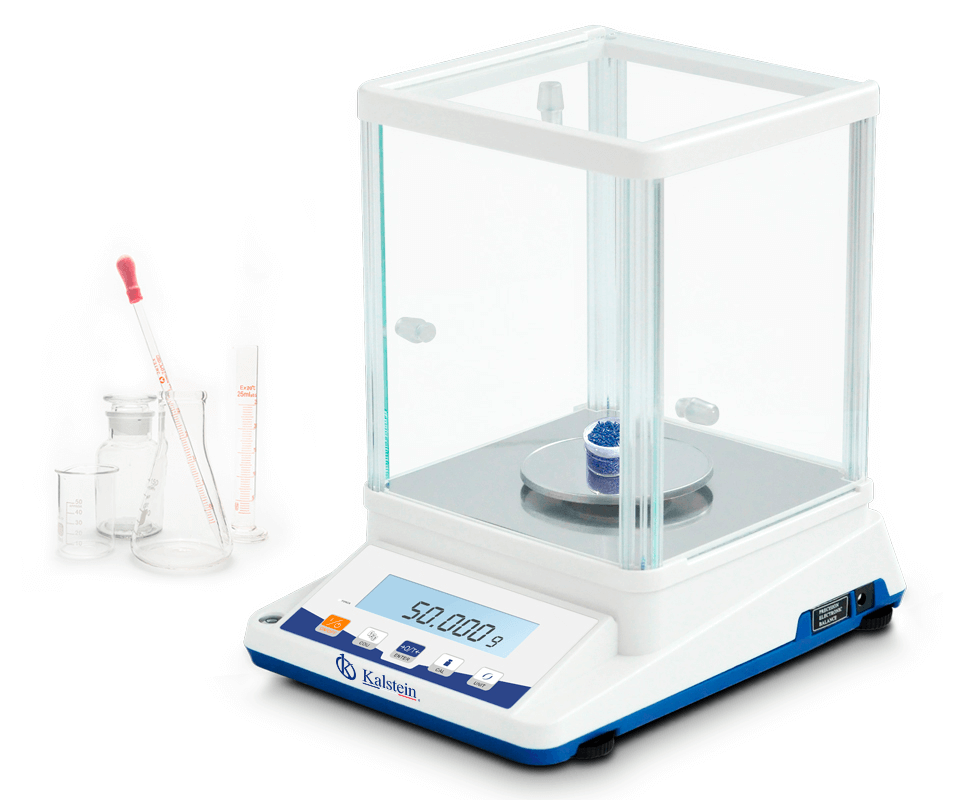
How to Optimize Productivity and Reduce Analysis Times with Precision Balances?
In laboratory environments, efficiency and accuracy are paramount. Precision balances play a crucial role in achieving these goals, allowing for quick and reliable measurements. This article will explore how different models of precision balances can enhance productivity and decrease analysis times, focusing on key features, benefits, and practical applications.
Understanding Precision Balances and Their Impact on Productivity
Precision balances are essential tools in laboratories for accurate weight measurements, which are foundational for various analytical processes. They are designed to provide high-resolution measurements, ensuring that the data collected is reliable and can be used for further analysis.
Optimizing productivity involves not only choosing the right model but also understanding how to leverage their features effectively. By reducing the time taken for weighing samples, laboratories can significantly enhance their throughput. This leads to faster testing times, allowing labs to respond more quickly to client needs and operational demands.
Comparison of Available Models
| Model Code | Capacity (g) | Readability (g) | Minimum Weighing | Best for |
|---|---|---|---|---|
| YR05584 | 110 | 0.001 | 0.001-0.004 | High-precision applications |
| YR05585 | 210 | 0.001 | 0.001-0.004 | General laboratory use |
| YR05586 | 310 | 0.001 | 0.001-0.004 | Research laboratories |
| YR05587 | 610 | 0.001 | 0.001-0.004 | Heavy sample weighing |
| YR05588 | 2100 | 0.01 | 0.01 | Industrial applications |
| YR05589 | 3100 | 0.01 | 0.01 | Bulk material weighing |
Key Features That Enhance Productivity
Understanding the key features of precision balances will help laboratories make informed decisions based on their specific needs. Features such as fast stabilization time, multiple weighing modes, and overload protection can significantly impact the efficiency of weighing operations.
Fast Stabilization Time
A key factor in improving analysis times is the stabilization speed of the balance. Models like the YR05584 have a stabilization time of less than 3 seconds, allowing users to quickly weigh samples without unnecessary delays.
Multiple Weighing Modes
Some models offer various weighing modes, such as tare, counting, and unit conversion. This flexibility can reduce the time spent on different tasks in the laboratory, making it easier to switch between operations without changing the balance settings manually.
Overload Protection Indicators
Overload protection helps prevent damage to the balance, ensuring longevity and reliability. Models like the YR05585 feature overload alarms which notify users immediately, preventing costly downtime due to balance malfunctions.
Best Practices for Using Precision Balances
To maximize the potential of precision balances, laboratories should adopt best practices that align with their operational workflows.
Regular Calibration
Regular calibration is essential to maintaining accuracy and precision in measurements. Calibration should ideally be performed at specified intervals based on the model's usage frequency. Implementing a calibration schedule can help ensure consistent performance and adherence to standards such as ISO 17025.
Proper Sample Handling
Effective sample handling techniques can reduce the time spent on weighing. Ensuring that samples are clean and properly contained can minimize the risk of contamination and errors, streamlining the weighing process.
Training Staff
Investing in staff training can enhance productivity by ensuring that all team members understand how to use the precision balances effectively. Well-trained staff can minimize errors and improve turnaround times in laboratory processes.
Common Mistakes and How to Avoid Them
While using precision balances, there are several common mistakes that can lead to inefficiencies. Here are a few key pitfalls to avoid:
Neglecting Calibration
Failing to calibrate balances regularly is a common mistake that can lead to inaccurate readings and wasted resources. Establish a routine calibration schedule to maintain the precision of your balances.
Improper Use of Weighing Modes
Using the wrong weighing mode can lead to incorrect measurements. Ensure that users are familiar with the functions of each balance and the appropriate modes for their specific applications.
Ignoring Environmental Conditions
Environmental factors such as drafts, vibrations, and temperature changes can affect measurement accuracy. Ensure that balances are placed in controlled environments to minimize these influences.
Frequently Asked Questions
How can precision balances improve laboratory productivity and efficiency?
Precision balances, such as the YR05584, can enhance productivity by providing quick, accurate measurements with fast stabilization times, enabling labs to process more samples in a shorter period.
What is the significance of calibration for precision balances in laboratory settings?
Calibration ensures that precision balances, like the YR05585, provide accurate and reliable measurements, which are critical for compliance with standards such as ISO 17025 and for maintaining data integrity.
How do different precision balances compare in terms of analysis speed?
Comparing models like YR05584 and YR05587, one can find that the YR05584 has a stabilization time of less than 3 seconds, making it superior for quick analysis, while the YR05587 handles heavier samples efficiently.
What are the typical capacities and readabilities of precision balances?
Precision balances, such as the YR05586, typically have capacities ranging from 110g to 3100g and readabilities from 0.001g to 0.01g, catering to various laboratory needs.
Which precision balance model is best for high-precision applications?
The YR05584 is ideal for high-precision applications with a capacity of 110g and readability of 0.001g, perfect for laboratories requiring utmost accuracy.
How can I ensure the longevity of my precision balance?
Regular calibration, proper maintenance, and careful handling are essential for the longevity of precision balances. Following these practices will help maintain performance over the years.
What training is necessary for staff using precision balances?
Staff should receive training on the specific features and functions of the precision balances they use, such as those in the YR series, to ensure accurate measurements and effective operational efficiency.
How do different models handle environmental factors affecting measurements?
Models like the YR05585 often include features such as overload protection and stabilization indicators to mitigate environmental impacts, ensuring accurate measurements despite fluctuations.
If you are looking for a fusion of innovation and quality, you have come to the right place. At Kalstein, we offer you the luxury of exploring our exclusive catalog of laboratory equipment. We manufacture every device to the highest standards of excellence. Our intuitive and seamless online purchasing channels are designed for your convenience, securing the most competitive prices. Hesitate no longer — we bring science to life, it is time to become part of our community.