How to Optimize Productivity and Reduce Analysis Times with Horizontal Autoclaves
In laboratory settings, the demand for quick and efficient sterilization processes is paramount. Horizontal autoclaves have revolutionized how laboratories approach sterilization by optimizing productivity and significantly reducing analysis times. This article delves into various models within the horizontal autoclave category, analyzing how their features contribute to enhanced operational efficiency and shorter turnaround times.
The Importance of Choosing the Right Horizontal Autoclave
When it comes to sterilization, the right equipment can make a significant difference. Horizontal autoclaves are designed for versatility, catering to various laboratory needs while ensuring compliance with European standards such as EN13060. By selecting an appropriate model, laboratories can streamline workflows, reduce waiting times, and ensure high-quality sterilization results.
Understanding the Key Features That Drive Productivity
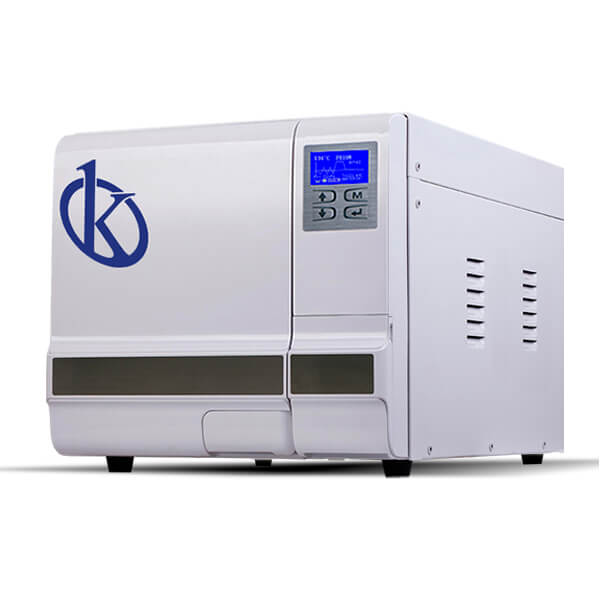
Horizontal autoclaves come equipped with numerous features that enhance their efficiency. Models like the Class B Table Autoclave YR03387 and YR03388 boast fully automated systems that reduce the manual workload on laboratory personnel. Features such as pre-programmed sterilization cycles allow for consistent results, while the compact design of these units saves valuable laboratory space.
Optimizing Workflow Through Effective Utilization of Horizontal Autoclaves
To maximize productivity, laboratories must focus on workflow optimization. Batching samples for sterilization can significantly reduce idle time and improve throughput. For example, the Class B Table Autoclave YR03390 can handle larger volumes, with a chamber size of 23 liters, making it ideal for busy environments. By integrating these autoclaves into the workflow, laboratories can achieve quicker processing times.
Comparison of Available Models
| Model | Chamber Volume (Liters) | Number of Trays | Power (Watts) | Price (USD) |
|---|---|---|---|---|
| YR03387 | 8 | 3 | 1750 | 750.00 |
| YR03388 | 12 | 3 | 1750 | 835.00 |
| YR03389 | 18 | 5 | 1750 | 900.00 |
| YR03390 | 23 | 5 | 1750 | 1000.00 |
| YR03385C | 29 | 3 | 2300 | 2350.00 |
| YR03385B | 45 | 3 | 3800 | 2800.00 |
Enhancing Efficiency with Automation
Automation is a key factor in reducing analysis times. Many horizontal autoclaves, including the Class B Table Autoclave YR03385C, feature programmable settings that allow users to tailor sterilization cycles based on specific requirements. This capability not only improves efficiency but also enhances the reliability of results. Laboratories can allocate resources more effectively, focusing on other critical tasks while the autoclave operates automatically.
Common Mistakes and How to Avoid Them
Even with the best equipment, laboratories can still face challenges in optimizing productivity. One common mistake is overloading the autoclave, which can lead to suboptimal sterilization. It's essential to follow the manufacturer's guidelines regarding load capacity. Additionally, neglecting routine maintenance can adversely affect performance. Ensuring regular checks and calibrations can help maintain high operational standards.
Integrating Horizontal Autoclaves into Laboratory Management Systems
As laboratories evolve, integration with laboratory management systems (LMS) becomes increasingly important. Horizontal autoclaves can be integrated into an LMS to streamline data management and ensure compliance with regulatory standards. This integration allows for real-time monitoring of sterilization cycles, improving traceability, and enhancing productivity. Models like YR03389, which support interoperability with various systems, are particularly beneficial for modern laboratories.
Frequently Asked Questions
What are the key benefits of using Class B Table Autoclave YR03387 for laboratory efficiency?
The Class B Table Autoclave YR03387 is particularly beneficial for small laboratories needing quick sterilization solutions. With an 8-liter capacity and pre-programmed cycles, it optimizes workflow and minimizes analysis times, making it ideal for tattoo, podiatry, and beauty salons.
How does the Class B Table Autoclave YR03390 improve throughput in laboratory settings?
The Class B Table Autoclave YR03390, with a chamber volume of 23 liters, allows for bulk sterilization, leading to improved throughput. This model's automated features significantly reduce manual intervention, ensuring faster processing times and higher efficiency in busy laboratories.
Which horizontal autoclave models are best for energy-efficient operation?
Models like the Class B Table Autoclave YR03385C and YR03385B are designed for energy efficiency. With their powerful yet efficient heating systems, they consume less energy while maintaining optimal performance, which is crucial for laboratories focused on sustainability and cost-saving.
How do I ensure compliance with European standards using horizontal autoclaves?
Horizontal autoclaves like the YR03388 follow European standard EN13060, ensuring compliance during operations. Regular validation and monitoring of sterilization processes are required to maintain compliance and ensure optimal performance in laboratory settings.
What is the ideal chamber volume for small laboratories?
For small laboratories, the Class B Table Autoclave YR03387, with an 8-liter chamber volume, is ideal. It balances capacity with space efficiency, enabling effective sterilization without overwhelming the workspace while offering fast cycle times.
What factors should be considered when selecting a horizontal autoclave for a veterinary clinic?
Veterinary clinics require reliable sterilization equipment. Models like the Class B Table Autoclave YR03389 provide sufficient capacity and automation, ensuring efficient sterilization of instruments while minimizing analysis times and maximizing workflow.
How do pre-programmed cycles in autoclaves enhance laboratory productivity?
Pre-programmed cycles in models such as the YR03388 allow laboratory personnel to initiate sterilization without manual setup, thus reducing preparation times. This feature enhances productivity by freeing up staff for other critical tasks within the laboratory.
What maintenance practices should be implemented for horizontal autoclaves?
Routine maintenance practices for horizontal autoclaves, including regular testing and calibration, are essential for optimal performance. Following the manufacturer’s guidelines, especially for models like YR03390, ensures consistent sterilization results and prolongs equipment lifespan.
If you are looking for a fusion of innovation and quality, you have come to the right place. At Kalstein, we offer you the luxury of exploring our exclusive catalog of laboratory equipment. We manufacture every device to the highest standards of excellence. Our intuitive and seamless online purchasing channels are designed for your convenience, securing the most competitive prices. Hesitate no longer — we bring science to life, it is time to become part of our community.