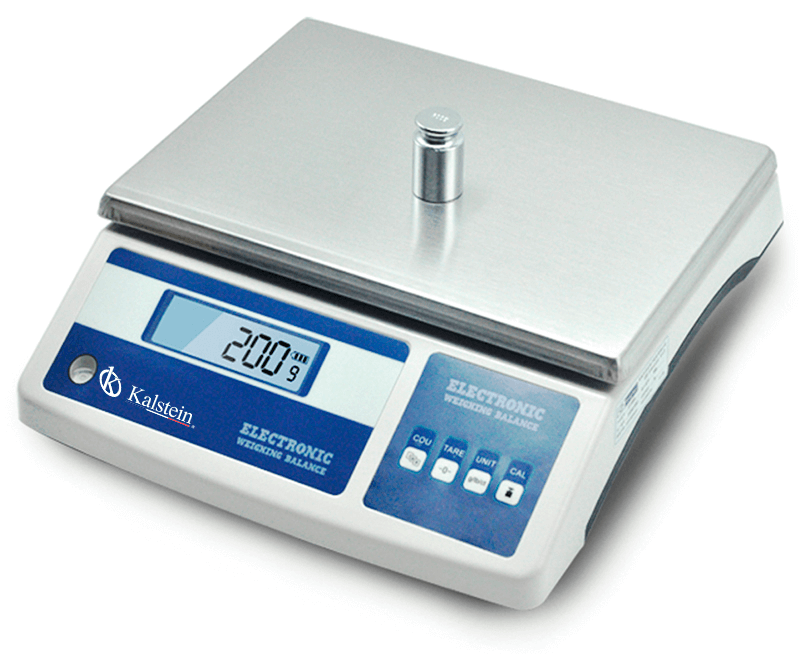
How to Optimize Productivity and Reduce Analysis Times with Industrial Balances
In the fast-paced world of laboratory operations, efficiency is paramount. The choice of an industrial balance plays a crucial role in optimizing productivity and reducing analysis times. This article explores various models of industrial balances, focusing on their capabilities and the benefits they bring to laboratory workflows. Understanding how to leverage these instruments can lead to significant time savings and enhanced accuracy in measurements, which are critical in any scientific or industrial setting.
Understanding Industrial Balances and Their Importance
Industrial balances are essential tools in laboratories, manufacturing, and research facilities. They provide precise measurements, which are vital for quality assurance and control. In an industry where every second counts, selecting the right balance can drastically improve productivity. The latest models come equipped with features designed to streamline operations, such as rapid stabilization times, user-friendly interfaces, and connectivity options for data transfer.
Productivity Optimization Strategies in Laboratory Operations
Optimizing productivity in laboratories involves minimizing idle time and improving measurement accuracy. Techniques such as pre-calibrating balances before use, regular maintenance, and employee training on the proper use of balances can significantly impact efficiency. Additionally, integrating balances into a digital ecosystem allows for automated data logging, thereby saving time on record-keeping.
Comparison of Available Models
| Model | Capacity | Readability | Stabilization Time | Best Use Case |
|---|---|---|---|---|
| YR05606 | 11 kg | 1 g | ≤ 2 seconds | General laboratory use |
| YR05607 | 16 kg | 1 g | ≤ 2 seconds | Sample weighing for research |
| YR05608 | 21 kg | 1 g | ≤ 2 seconds | Industrial applications |
| YR05609 | 31 kg | 1 g | ≤ 2 seconds | High-capacity weighing tasks |
| YR05610 | 5.1 kg | 0.1 g | ≤ 2 seconds | Precision measurements |
| YR05611 | 11 kg | 0.1 g | ≤ 2 seconds | Research settings |
| YR05612 | 16 kg | 0.1 g | ≤ 2 seconds | Manufacturing processes |
| YR05613 | 21 kg | 0.1 g | ≤ 2 seconds | Bulk material weighing |
| YR05614 | 26 kg | 0.1 g | ≤ 2 seconds | Large samples weighing |
Common Mistakes and How to Avoid Them
One of the most common mistakes in using industrial balances is improper calibration. Regular calibration ensures accuracy, particularly in critical applications where precision is non-negotiable. Additionally, failing to account for environmental factors such as airflow and vibrations can lead to erroneous measurements. Proper placement of balances in a controlled environment is essential. Training staff on the importance of these factors can also mitigate errors.
Enhancing Analysis Speed Through Advanced Features
Many industrial balances now come with features designed to enhance analysis speed. For instance, models like the YR05609, with its quick stabilization time of ≤ 2 seconds, allow for rapid measurements. Additionally, user interfaces that facilitate quick unit conversions and tare functions further reduce analysis times. Balances that offer connectivity options can also integrate with laboratory information management systems (LIMS) to automate data entry, allowing users to focus on other critical tasks.
Implementing Automation in Weighing Processes
Automation in weighing processes can significantly enhance productivity. Balances equipped with interfaces that connect to automated systems allow for batch processing of samples. This integration minimizes human intervention and reduces the likelihood of errors, ensuring that results are both accurate and timely. Investing in models like YR05610 can lead to a more streamlined workflow, as they support such automation features.
Data Management and Connectivity Solutions
Modern industrial balances often feature advanced data management capabilities. The ability to connect balances to computers or LIMS ensures that data is automatically recorded and stored. This eliminates the need for manual data entry, which can be time-consuming and error-prone. Balances like the YR05611 offer easy connectivity options, thus facilitating seamless integration into laboratory workflows.
Best Practices for Maintenance of Industrial Balances
Regular maintenance of industrial balances is critical for ensuring optimal performance. This includes cleanings, such as removing dust and residues that can affect measurement accuracy, as well as routine calibration checks. Implementing a maintenance schedule that includes these tasks will help prolong the lifespan of the balances and maintain their precision over time. Moreover, choosing models known for their durability, such as YR05612, can further support long-term operational efficiency.
Frequently Asked Questions
How can I optimize the use of an industrial balance for accurate measurements?
To optimize the use of an industrial balance like the YR05610, ensure it is regularly calibrated, placed on a stable surface free from vibrations, and adjusted for environmental factors. This will enhance the accuracy and reliability of your measurements significantly.
What is the best industrial balance for high-capacity weighing tasks?
The YR05609 model is ideal for high-capacity weighing tasks, with a capacity of 31 kg and a readability of 1 g. Its quick stabilization time makes it suitable for environments where speed and accuracy are critical.
Which features reduce analysis times for industrial balances?
Features that reduce analysis times include quick stabilization, user-friendly interfaces for seamless unit conversions, and integration with automation systems. Models like YR05608 excel in these areas, allowing for efficient and fast measurements.
How do I maintain the accuracy of my industrial balance?
To maintain accuracy, regularly calibrate your industrial balance, such as the YR05611, and keep it clean from dust and residues. Additionally, ensure it is placed in a controlled environment to prevent fluctuations in readings.
What role does automation play in balancing productivity in labs?
Automation plays a significant role by allowing balances like the YR05606 to process multiple samples simultaneously, reducing manual handling and increasing throughput. This leads to more efficient laboratory operations overall.
How do connectivity options enhance the usability of industrial balances?
Connectivity options allow balances like the YR05607 to integrate with LIMS, facilitating automated data logging and reducing the risk of human error in data entry. This enhances the overall efficiency and accuracy of laboratory processes.
What common mistakes should I avoid when using an industrial balance?
Common mistakes include improper calibration and neglecting environmental factors affecting measurements. Regular training on best practices for using balances like the YR05614 can help avoid these pitfalls and ensure accurate results.
How can I choose the right industrial balance for my laboratory needs?
Choosing the right industrial balance involves assessing your specific needs, such as capacity, readability, and required features. Models like the YR05612 provide various options catering to different use cases and laboratory environments.
If you are looking for a fusion of innovation and quality, you have come to the right place. At Kalstein, we offer you the luxury of exploring our exclusive catalog of laboratory equipment. We manufacture every device to the highest standards of excellence. Our intuitive and seamless online purchasing channels are designed for your convenience, securing the most competitive prices. Hesitate no longer — we bring science to life, it is time to become part of our community.