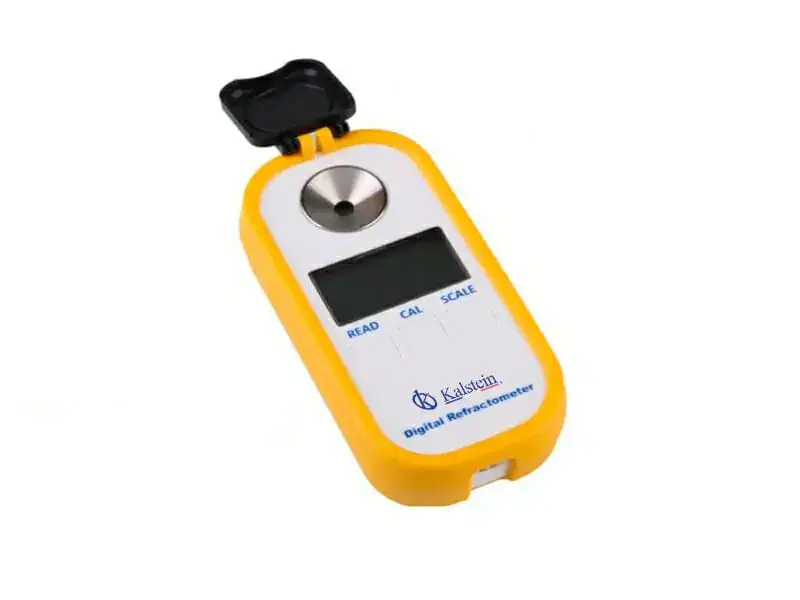
How to Optimize Productivity and Reduce Analysis Times with Digital Salinity Refractometers?
In the field of laboratory analysis, efficiency and accuracy are paramount. Digital salinity refractometers are key instruments that can significantly enhance productivity while reducing analysis times. By examining various models within this subcategory, we will explore how these devices contribute to improved laboratory workflows and overall effectiveness.
Understanding the Role of Digital Salinity Refractometers in Productivity Enhancement
Digital salinity refractometers have revolutionized the way laboratories measure salinity levels in solutions like seawater and sodium chloride. These devices not only provide accurate readings but also streamline the measurement process. By employing advanced technology, they offer temperature compensation, quick readings, and straightforward operation, making them ideal for busy laboratory environments.
The automation features of these refractometers minimize human error, allowing for consistent and reliable results. With the capability to measure salinity quickly and accurately, laboratories can process samples more efficiently, thus optimizing productivity.
Key Features Contributing to Time Reduction in Analysis
One of the standout features of digital salinity refractometers is their automatic temperature compensation (ATC). This feature ensures that readings remain accurate without the need for manual adjustments across a range of temperatures (0-40°C). Consequently, this not only saves time but also reduces the potential for mistakes that can occur during manual calibration.
Moreover, these devices typically require only a drop of sample for measurement, significantly cutting down the time spent on sample preparation. With fast digital displays, laboratory personnel can rapidly obtain results, leading to quicker decision-making and improved throughput.
Comparison of Available Models
| Model | Measurement Range | Minimum Division | Accuracy | Best for |
|---|---|---|---|---|
| YR05953 | 0.0--28.0% | 0.10% | ±0.1% | General salinity measurement |
| YR05954 | 0--280‰ | 1‰ | ±1‰ | High salinity solutions |
| YR05955 | 1.000-1.217 | 0.001 | ±0.002 | Densities in various solutions |
| YR05956 | 1.3330--1.3900nD | 0.0001nD | ±0.0003nD | Index of refraction |
| YR05957 | 0—100‰ | 1‰ | ±2‰ | Low salinity measurements |
| YR05958 | 0--57‰ | 1‰ | ±2‰ | Clinical applications |
| YR05959 | 1.000-1.070 | 0.001 | ±0.002 | Density analysis |
| YR05960 | 1.3330--1.3530nD | 0.0001nD | ±0.0003nD | Optical density studies |
Common Mistakes and How to Avoid Them
One common mistake in using digital salinity refractometers is not allowing the device to stabilize before taking readings. Although these devices provide quick results, it is crucial to ensure that the sample temperature matches the ambient temperature for accurate measurements. Additionally, neglecting to clean the prism after use can lead to contamination and skewed results.
Another mistake is using inadequate amounts of sample. Laboratories should always use the recommended drop size to ensure that the sensor can measure accurately. Following the manufacturer’s guidelines and maintaining regular calibration will also help mitigate errors, leading to improved productivity and time efficiency in analysis.
Frequently Asked Questions
What are the average costs of digital salinity refractometers for effective lab operations?
The average cost for digital salinity refractometers, like the YR05954, is around $76.00, which is a reasonable investment considering the time savings and accuracy they bring to laboratory operations.
How does automatic temperature compensation work in digital salinity refractometers?
Automatic temperature compensation (ATC) in models like YR05953 adjusts the readings based on the sample temperature, ensuring accurate salinity measurements without manual adjustments, which saves time during analysis.
Which salinity refractometer model is best for marine applications?
The YR05954 model is ideal for marine applications, with a salinity measurement range of 0-280‰, making it suitable for testing seawater and other high-salinity environments.
How can I ensure accurate measurements with a digital salinity refractometer?
To ensure accuracy, it is important to regularly calibrate the refractometer, use the correct sample size, and allow the device to stabilize to the ambient temperature, especially with models like YR05956.
What is the expected lifespan of a digital salinity refractometer?
With proper maintenance and care, digital salinity refractometers like the YR05957 can last several years, offering reliable performance and consistent accuracy throughout their lifespan.
How do digital salinity refractometers improve lab efficiency?
Digital salinity refractometers enhance lab efficiency by providing rapid results with minimal sample requirements, allowing for higher throughput and quicker turnaround times, especially with models like YR05958.
What maintenance is required for digital salinity refractometers?
Regular cleaning of the prism, calibration checks, and ensuring the device is stored properly will maintain the accuracy and longevity of models such as the YR05959.
How can digital salinity refractometers support laboratory compliance?
Models like the YR05954 ensure compliance with accuracy standards by providing reliable measurements, which are essential for regulatory requirements in various laboratory settings.
If you are looking for a fusion of innovation and quality, you have come to the right place. At Kalstein, we offer you the luxury of exploring our exclusive catalog of laboratory equipment. We manufacture every device to the highest standards of excellence. Our intuitive and seamless online purchasing channels are designed for your convenience, securing the most competitive prices. Hesitate no longer — we bring science to life, it is time to become part of our community.