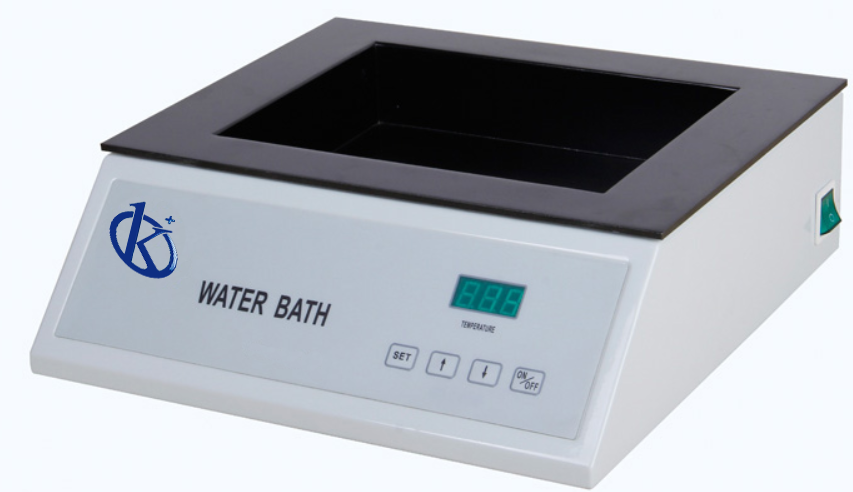
How to Optimize Productivity with Tissue Water Baths in Laboratory Analysis?
Tissue water baths are essential tools in laboratories, particularly in pathological anatomy. These devices help maintain constant temperatures for various biological processes, essential for accurate results. Optimizing productivity through effective use of tissue water baths can significantly reduce analysis times, enhance reproducibility, and improve laboratory workflow. This article will examine various models of tissue water baths, their specific features, and how they contribute to productivity enhancements in laboratory settings.
Understanding the Importance of Tissue Water Baths in Optimizing Laboratory Productivity
Tissue water baths are integral in maintaining the consistency required for temperature-sensitive procedures. The precision of temperature control directly affects the quality of the analysis. Laboratories that implement efficient water baths can expect to see a reduction in analysis times due to improved thermal stability and faster heating rates. Furthermore, modern water baths come equipped with advanced features such as digital displays, programmable settings, and energy-saving technologies that enhance overall productivity. The choice of model can influence various factors, including energy consumption and operational efficiency.
Comparison of Available Models
| Model | Temperature Range | Heating Power (W) | Best For | Price (USD) |
|---|---|---|---|---|
| YR449 | RT to 90℃ | 200 | General tissue analysis | 400.00 |
| YR451 | 0 - 85℃ | 400 | Precise temperature monitoring | 800.00 |
| YR452 | RT - 75℃ | 500 | High-capacity tissue processing | 950.00 |
Enhancing Energy Efficiency with Tissue Water Baths
Energy consumption is a critical factor in laboratory operations, impacting both cost and environmental sustainability. Modern tissue water baths, such as the YR449 and YR451, incorporate energy-saving technologies that reduce power consumption while maintaining performance. These devices often feature programmable functions that allow users to set operational times, minimizing unnecessary energy use. By choosing models with lower wattage ratings for specific applications, laboratories can achieve significant cost savings over time.
Implementing Effective Protocols for Workflow Optimization
To maximize the efficiency of tissue water baths, establishing effective protocols is essential. This includes optimizing the loading process, where the number of samples processed simultaneously is carefully managed to ensure quick temperature recovery times. For instance, utilizing the YR452's high capacity can facilitate batch processing, significantly reducing waiting times. Moreover, regular maintenance and calibration schedules should be instituted to ensure that these instruments perform optimally, contributing to faster overall workflow.
Common Mistakes and How to Avoid Them
One of the most common mistakes in utilizing tissue water baths involves improper temperature calibration. Failing to regularly check the calibration can lead to inaccurate results and prolonged analysis times. Additionally, overcrowding the bath with samples can cause temperature fluctuations, affecting the integrity of the analysis. Therefore, it’s crucial to adhere to the manufacturer's guidelines and maintain a clean, organized workspace to avoid these pitfalls.
Evaluating Return on Investment (ROI) for Tissue Water Baths
When investing in laboratory equipment, understanding the return on investment (ROI) is vital. Tissue water baths can generally be evaluated based on parameters like capital expenditure (CAPEX), operational costs, and the expected lifespan of the units. For example, the YR449 has a lower initial cost compared to the YR451 and YR452, but the latter units may offer higher throughput, making them more cost-effective in high-demand environments. Analyzing the specific needs of the laboratory against the capabilities of these devices can provide a clearer picture of the potential ROI.
Frequently Asked Questions
How can a tissue water bath improve accuracy in histological analysis?
A tissue water bath, such as the YR451, ensures stable temperature conditions vital for histological processes, directly enhancing accuracy. Its precise control allows for better sample processing temperatures, crucial for reproducibility in results.
What is the ideal temperature range for tissue water baths in pathology labs?
The ideal temperature range for tissue water baths varies by application; however, most models like the YR449 efficiently operate within RT to 90℃, accommodating a wide variety of tissue processing needs.
How much energy do modern tissue water baths consume during operation?
Modern tissue water baths, like the YR452, are designed with energy efficiency in mind, consuming approximately 500W while providing rapid heating, thus maintaining operational costs at a lower level compared to older models.
Which features should I prioritize in a tissue water bath for productivity?
Features such as digital temperature displays, programmable settings, and energy-efficient heating elements should be prioritized. Models like the YR451 offer these features, greatly enhancing productivity in laboratory settings.
What maintenance practices extend the lifespan of tissue water baths?
Regular calibration, cleaning, and adhering to usage guidelines are essential maintenance practices. Implementing a proactive maintenance schedule for models like the YR449 can extend their operational lifespan significantly.
Can tissue water baths be used for batch processing in laboratories?
Yes, tissue water baths, particularly models such as the YR452, are well-suited for batch processing, allowing for simultaneous sample processing, thus enhancing efficiency and reducing analysis times.
What are the best practices for reducing analysis times in tissue processing?
Best practices include optimizing sample loading, selecting the right model based on throughput needs, and using programmable features, as seen in the YR451, to automate temperature adjustments, thereby reducing overall analysis times.
How do tissue water baths contribute to compliance with laboratory standards?
Tissue water baths help maintain compliance with laboratory standards by ensuring precise temperature control, which is critical in protocols. Models like the YR449 provide reliable performance that meets regulatory requirements.
If you are looking for a fusion of innovation and quality, you have come to the right place. At Kalstein, we offer you the luxury of exploring our exclusive catalog of laboratory equipment. We manufacture every device to the highest standards of excellence. Our intuitive and seamless online purchasing channels are designed for your convenience, securing the most competitive prices. Hesitate no longer — we bring science to life, it is time to become part of our community.