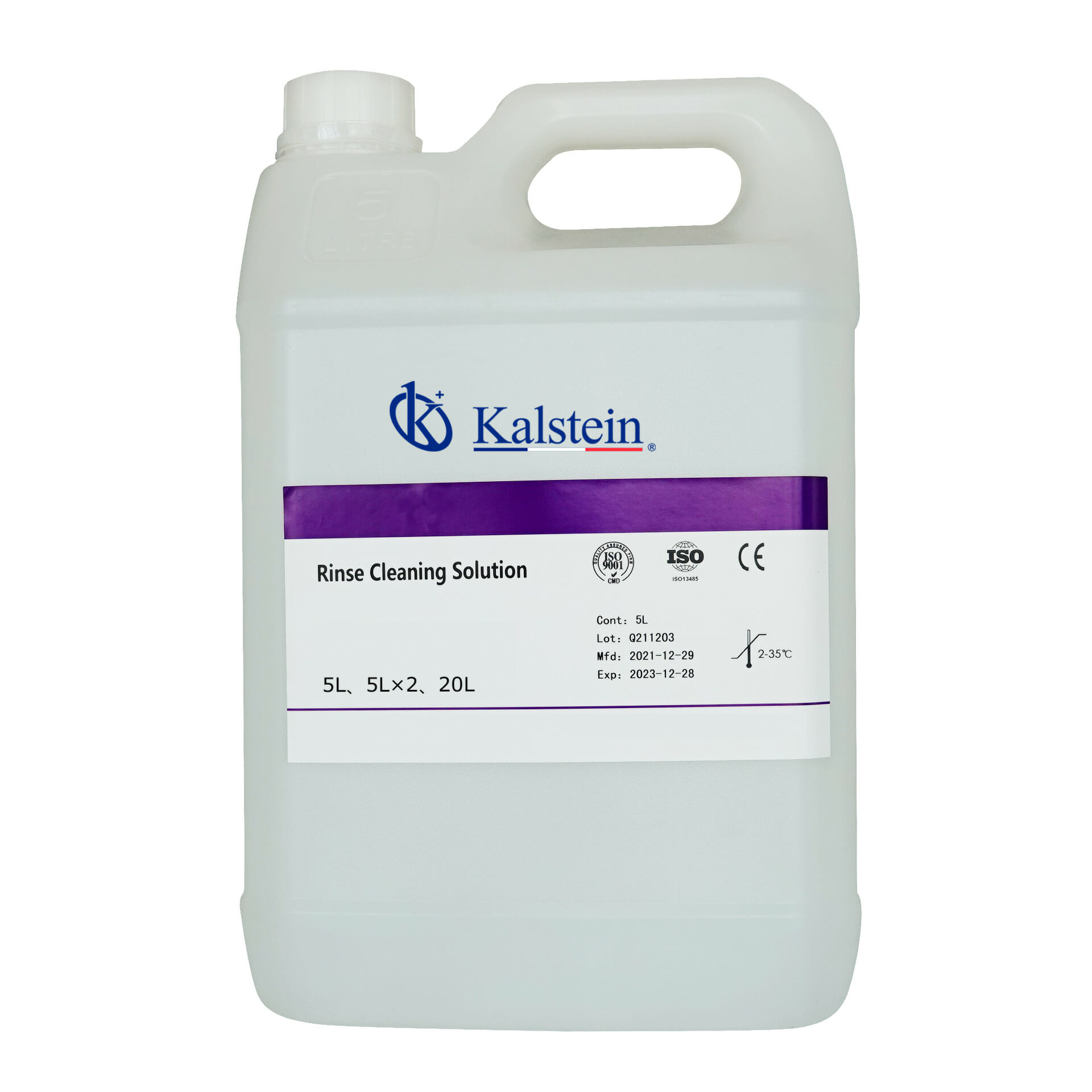
How to Optimize ROI and Cost-Benefit Analysis for Hematology Reagents
In the ever-evolving landscape of laboratory medicine, understanding the financial implications of hematology reagents is crucial. This article delves into effective strategies for maximizing return on investment (ROI) and conducting a comprehensive cost-benefit analysis for hematology reagents, particularly useful for laboratory professionals navigating budget constraints and operational efficiency.
Understanding the Importance of ROI in Laboratory Settings
ROI is a critical metric for evaluating the efficiency of investments in laboratory reagents. It helps laboratories assess whether the financial resources allocated yield satisfactory results in terms of operational effectiveness and patient care. With ever-tightening budgets, laboratory managers must scrutinize their spending, ensuring that each reagent not only meets clinical needs but also contributes positively to the laboratory's financial health.
Hematology reagents such as YRA45, YRA46, and YRA50 can significantly impact both clinical outcomes and lab profitability. By understanding how to calculate and optimize ROI, laboratories can make informed decisions on reagent procurement, usage, and management.
Cost-Benefit Analysis: A Detailed Approach
Performing a cost-benefit analysis involves comparing the costs of hematology reagents against the benefits they provide. This analysis should include not just the purchase prices, but also operational costs, maintenance, and the impact on clinical outcomes.
For instance, reagents like YRA46 (Lyse) and YRA49 (Probe Cleaner) play unique roles in blood analysis processes, affecting labor efficiency and reagent waste. Evaluating how much time and resources each reagent saves can reveal their true value.
Key Components of ROI Calculation for Hematology Reagents
When calculating ROI, consider the following components: initial costs (CAPEX), operational costs (OPEX), and the expected benefits. Initial costs include the purchase price of reagents, such as YRA47 (Clear), while operational costs may encompass staffing, training, and maintenance of equipment used with these reagents.
Expected benefits can include improved turnaround time for test results, increased patient satisfaction, and reduced waste. For example, using YRA48 (EZ Cleaner) could extend the life of analyzers, thereby reducing long-term capital expenses.
Comparison of Available Models
| Model | Initial Cost (USD) | Operational Cost per Use (USD) | Expected Benefit | Best Use Scenario |
|---|---|---|---|---|
| YRA45 | 10.77 | 0.50 | Cleaning system efficiency | General blood analysis |
| YRA46 | 10.77 | 0.45 | Enhanced hemoglobin measurement | High-volume labs |
| YRA47 | 5.38 | 0.40 | Improved specificity in results | Specialized testing |
| YRA48 | 4.62 | 0.35 | Reduced downtime | Continuous operation environments |
| YRA49 | 3.85 | 0.30 | Efficiency in cleaning | Routine maintenance |
| YRA50 | 10.77 | 0.50 | Support for various analyses | Multi-use scenarios |
Common Mistakes and How to Avoid Them
Laboratories often underestimate the importance of comprehensive cost-benefit analysis. A common mistake is failing to account for indirect costs, such as labor associated with reagent preparation or equipment maintenance. Another frequent oversight is neglecting the total lifecycle costs associated with the reagents.
To avoid these pitfalls, laboratories should implement a thorough review process of reagent usage, spending, and outcomes. Regularly updating cost assessments and aligning them with clinical performance metrics can provide greater clarity on the overall financial impact of hematology reagents.
Best Practices for Maximizing ROI
To enhance ROI, laboratories can adopt several best practices:
- Standardization: Use standardized protocols to reduce variability and waste.
- Training: Ensure that staff are well-trained in reagent usage for optimal performance.
- Monitor Performance: Track reagent performance and costs regularly to identify trends.
- Negotiate Costs: Negotiate prices with suppliers to secure better rates for bulk purchases.
Frequently Asked Questions
How does the choice of hematology reagent affect overall laboratory efficiency?
The choice of hematology reagents such as YRA46 (Lyse) can significantly enhance the laboratory's efficiency by improving test accuracy and reducing turnaround times. Selecting high-quality reagents optimizes workflows and minimizes rework, thereby impacting overall productivity positively.
What are the long-term cost implications of using hematology reagents in a lab?
Long-term costs for hematology reagents, like YRA50 (Diluent), include not just the purchase price, but also the maintenance of analyzers and consumables. By evaluating these factors through a cost-benefit analysis, labs can better understand their true expenses and savings over time.
Which hematology reagents provide the best ROI in a busy laboratory setting?
In a high-throughput laboratory, reagents such as YRA48 (EZ Cleaner) and YRA46 (Lyse) often provide the best ROI due to their efficiency and efficacy. They facilitate rapid processing of samples and minimize downtime, ultimately reducing costs associated with operational delays.
How can laboratories ensure compliance while managing reagent costs?
Laboratories can ensure compliance with protocols while managing reagent costs by adopting standardized quality control practices. Utilizing reagents like YRA49 (Probe Cleaner) ensures that testing remains compliant without incurring unnecessary expenses through ineffective or substandard reagents.
What factors should be considered when selecting hematology reagents for cost-effectiveness?
When selecting hematology reagents, consider factors such as initial and operational costs, expected lifespan, and performance outcomes. For instance, opting for YRA45 (Cleaning Reagent) can lead to significant cost savings by enhancing the durability of equipment.
How does regular training impact the cost-effectiveness of hematology reagents?
Regular training ensures that laboratory staff are proficient in using hematology reagents efficiently, reducing waste and errors. This not only enhances cost-effectiveness but also improves patient outcomes, making models like YRA50 (Diluent) more valuable in day-to-day operations.
What role does technology play in optimizing reagent usage in hematology?
Technology, including automated analyzers and inventory management systems, plays a critical role in optimizing reagent usage. Tools that track consumption patterns can help laboratories better plan their purchases of reagents like YRA46 (Lyse), ensuring they maintain adequate stock levels without incurring excess costs.
If you are looking for a fusion of innovation and quality, you have come to the right place. At Kalstein, we offer you the luxury of exploring our exclusive catalog of laboratory equipment. We manufacture every device to the highest standards of excellence. Our intuitive and seamless online purchasing channels are designed for your convenience, securing the most competitive prices. Hesitate no longer — we bring science to life, it is time to become part of our community.