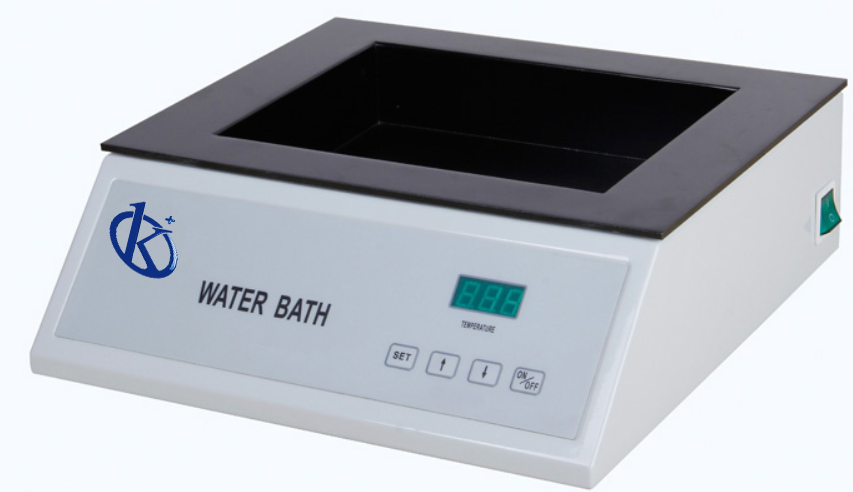
How to Optimize Tissue Water Baths for LIMS Integration and Data Flow Digitalization
Laboratories are increasingly adopting digital solutions to enhance efficiency and accuracy in their operations. One critical component in this digital transformation is the integration of laboratory instruments, such as tissue water baths, with Laboratory Information Management Systems (LIMS). This article explores how laboratories can optimize their tissue water baths for seamless LIMS integration and improve data flow digitalization.
Understanding Tissue Water Baths and Their Role in Laboratories
Tissue water baths are essential pieces of equipment used in pathological anatomy for various applications, including tissue processing, embedding, and sectioning. These baths maintain a stable temperature, allowing for optimal conditions in histological procedures. Proper integration with LIMS can enhance their functionalities and streamline data management processes, providing a robust framework for laboratories aiming to achieve higher productivity and compliance.
Advantages of LIMS Integration for Tissue Water Baths
Integrating tissue water baths with a LIMS allows for improved tracking, monitoring, and reporting of laboratory activities. This integration facilitates real-time data sharing, enhances traceability, and ensures compliance with relevant standards. Moreover, it reduces manual data entry errors and automates workflows, ultimately leading to better resource management and operational efficiency.
Key Features to Consider for LIMS Integration
When selecting tissue water baths for integration with LIMS, consider models that support various connectivity protocols such as HL7, ASTM, or REST. Models equipped with digital displays and automatic memory functions can streamline the collection and analysis of temperature data, ensuring that all parameters are accurately recorded. Additionally, the ability to connect with middleware solutions can further enhance interoperability across laboratory systems.
Comparison of Available Models
| Model | Temperature Range | Connectivity | Protocol Supported | Best For |
|---|---|---|---|---|
| YR449 | RT to 90 ℃ | None | N/A | Basic histology applications |
| YR451 | 0 to 85 ℃ | Optional LIMS integration | HL7, REST | Advanced tissue processing |
| YR452 | RT to 75 ℃ | Optional LIMS integration | ASTM, REST | Floating tissue applications |
Common Mistakes and How to Avoid Them
One frequent mistake when integrating tissue water baths with LIMS is overlooking the importance of compatibility. Before purchasing, ensure that the model supports the necessary protocols required for seamless data transfer. Additionally, neglecting software updates can lead to integration issues. Always keep your system up-to-date to ensure optimal performance.
Strategies for Effective Data Flow Digitalization
Implementing effective strategies for data flow digitalization involves establishing clear protocols for data entry and ensuring all team members are trained on the new systems. It is advisable to set up a centralized database that consolidates all data from the tissue water baths, allowing for easy access and analysis. Utilizing automated data collection tools can also enhance accuracy and speed in the process.
Maintenance Considerations for LIMS-Integrated Water Baths
Regular maintenance is crucial for ensuring the reliability of tissue water baths. Develop a preventive maintenance schedule that includes calibration and performance checks. This will help to avoid downtime and ensure compliance with relevant standards. Remember to document all maintenance activities in your LIMS for traceability and accountability.
Frequently Asked Questions
How can I improve data management with LIMS-integrated tissue water baths?
Optimizing data management with LIMS-integrated tissue water baths, such as the YR451 model, involves ensuring compatibility with protocols like HL7 and enabling real-time data sharing. This integration enhances tracking and monitoring capabilities across laboratory operations.
What are the benefits of using the YR452 tissue water bath for digitalization?
The YR452 tissue water bath offers features like real-time temperature monitoring and an automatic memory function, making it ideal for digitalization efforts. This model supports ASTM protocols, enhancing data flow and integration with laboratory systems.
Which model is best for LIMS integration in a histology lab?
The YR451 tissue water bath is highly recommended for LIMS integration in histology labs due to its support for hl7 and REST protocols, facilitating smoother data management and operational workflows.
How do I ensure compliance with digitalization standards using water baths?
To ensure compliance with digitalization standards while using tissue water baths, implement models like YR449 that provide precise temperature control and keep comprehensive records of all processes in your LIMS, thus meeting traceability requirements.
What types of data can be effectively managed with LIMS integrated tissue water baths?
LIMS integrated tissue water baths, such as the YR451, can effectively manage data related to temperature logs, maintenance records, and operational history, significantly enhancing compliance and operational efficiency in laboratories.
Can I automate data collection with tissue water baths?
Yes, you can automate data collection with models like the YR452 tissue water bath, which supports connectivity options that allow for automatic data transfer to LIMS, improving efficiency and accuracy in data management.
How does LIMS integration affect laboratory workflow in histology?
LIMS integration significantly enhances laboratory workflow in histology by automating data collection, reducing manual errors, and facilitating real-time monitoring of conditions, which is possible with models such as the YR451 tissue water bath.
What criteria should I consider when selecting a tissue water bath for integration?
When selecting a tissue water bath for integration, consider factors such as temperature range, compatibility with LIMS protocols, and features like automatic memory functions. The YR451 model is exemplary for advanced integration needs in labs.
If you are looking for a fusion of innovation and quality, you have come to the right place. At Kalstein, we offer you the luxury of exploring our exclusive catalog of laboratory equipment. We manufacture every device to the highest standards of excellence. Our intuitive and seamless online purchasing channels are designed for your convenience, securing the most competitive prices. Hesitate no longer — we bring science to life, it is time to become part of our community.